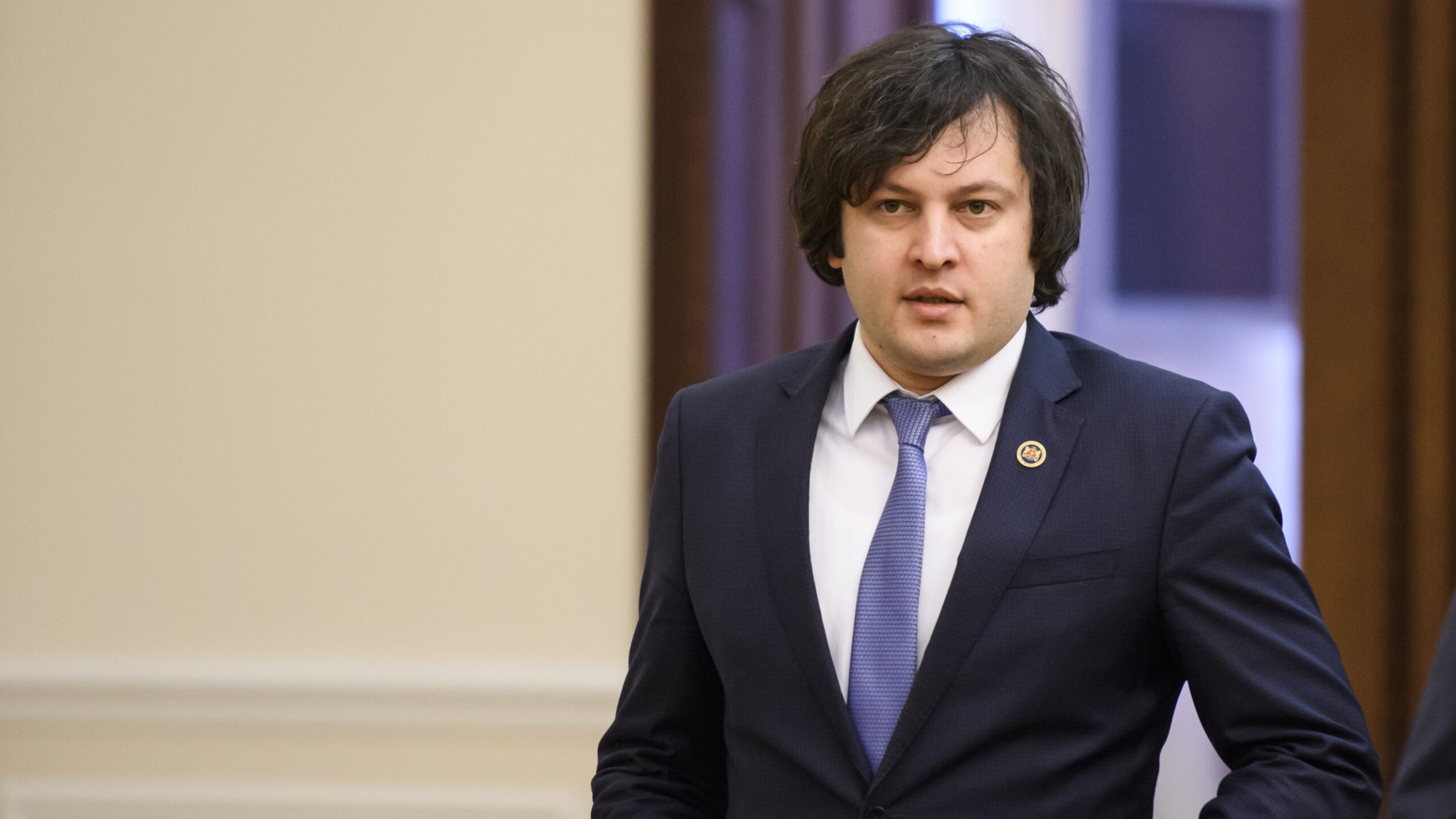
Georgian Prime Minister Irakli Kobakhidze
By Kmu.gov.ua, CC BY 4.0, https://commons.wikimedia.org/w/index.php?curid=67201460
Georgian Prime Minister Irakli Kobakhidze has demanded an apology from the UK government over a BBC documentary covering the 2024 Tbilisi protests crackdowns. The documentary, which suggested usage of the WWI-era chemical ‘camite’ by police during the demonstrations, has been rejected by Georgian authorities.
The State Security Service of Georgia (SSG) confirmed that CS gas was deployed against protesters in early December 2024—and not, as alleged by the BBC, an early 20th century toxin. SSG Deputy Head Lasha Maghradze noted that the Interior Ministry had not purchased any unusual chemical agents, and that standard crowd-control measures were used alongside water cannons. The BBC report, however, implied otherwise.
Kobakhidze emphasized that the UK should apologise, stating that the BBC is “directly funded by public channels,” and reiterated the ruling party’s plan to file a complaint with the UK Office of Communications (OFCOM), with legal action to follow if necessary.
In response, the British Embassy in Georgia stressed that the BBC operates independently of the UK government and retains editorial control, leaving the decision to apologise to the broadcaster itself.
However, this is not the first time the BBC faces allegations of misrepresentation. U.S. president Donald Trump announced plans in November to sue the British public broadcaster after the corporation admitted it had misleadingly edited a speech he delivered before the January 6th Capitol riot. The U.S. president indicated he intends to pursue damages ranging from $1 billion to $5 billion, arguing that the BBC’s apology was insufficient.