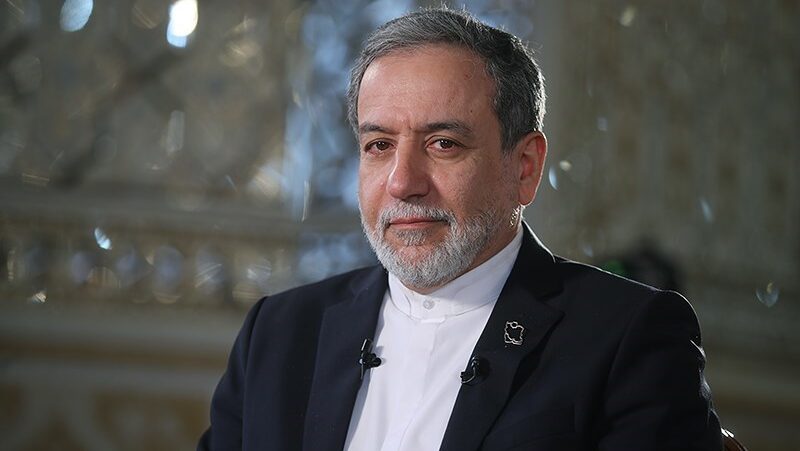
Abbas Araghchi
Mohammad Hassanzadeh, Tasnim News Agency, CC BY 4.0, via Wikimedia Commons
Iranian Foreign Minister Abbas Araghchi said on Sunday that cooperation between Iran and the International Atomic Energy Agency (IAEA) is “no longer relevant” following the reimposition of UN sanctions related to Iran’s nuclear program.
The country’s top diplomat said European powers that supported the UN move will also play a reduced role in future talks.
Araghchi stressed that “new decisions must be made,” adding that the agreement signed between Iran and the IAEA last month—the so-called Cairo Agreement—is outdated under the current circumstances.
However, he noted that there was still room for diplomacy.
The Cairo Agreement was intended to establish a framework for cooperation between Iran and the UN nuclear watchdog.
Iran suspended all cooperation with the IAEA in July, following a series of airstrikes on its nuclear facilities in June—allegedly carried out by Israel and the United States—amid a 12-day conflict.
Cooperation with IAEA primarily involves the implementation of safeguards agreements, which allow IAEA inspectors to verify that nuclear materials and activities are not diverted for weapons purposes. The agreements vary by state.