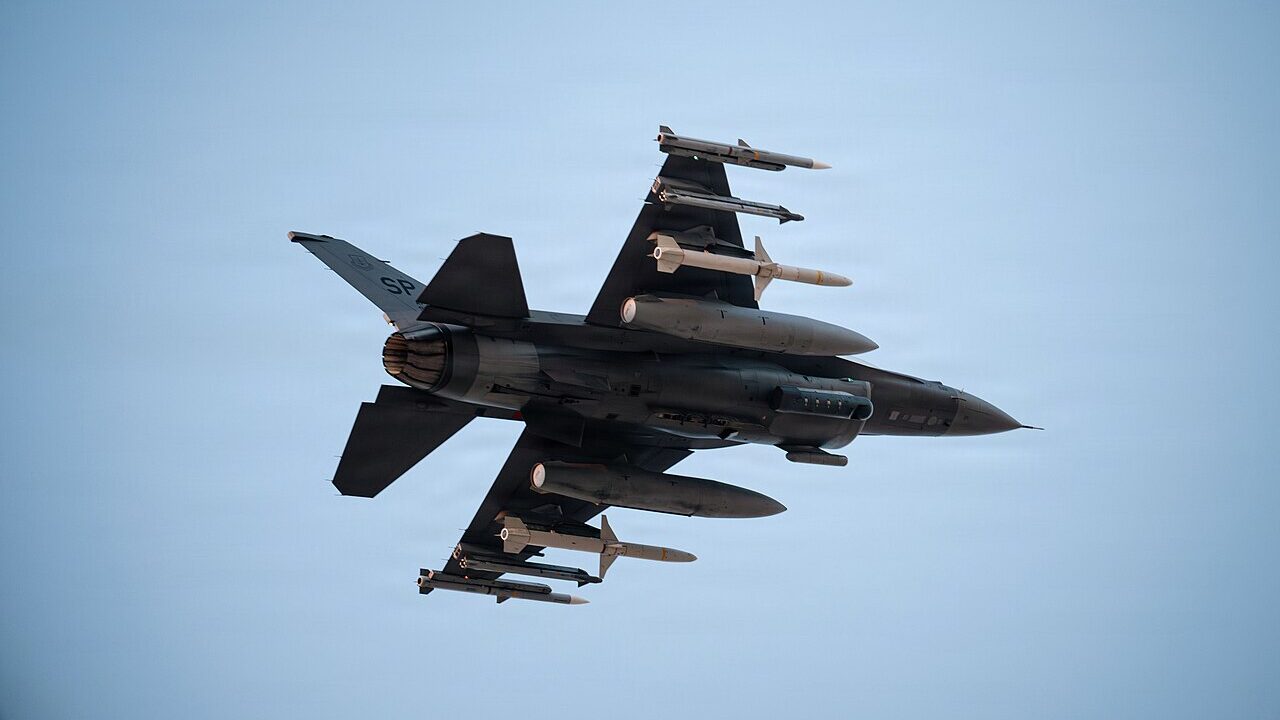
A U.S. Air Force F-16 takes flight in the Middle East in support of Operation Epic Fury, March 2, 2026.
U.S. Air Force, Public domain, via Wikimedia Commons
Iran has rejected a U.S.-backed proposal to end the conflict as concerns mount over a potential American ground intervention and the risk of further regional escalation.
Tehran’s stance comes amid intensifying hostilities following U.S. and Israeli strikes, with Iranian officials warning that Washington may be preparing for deeper military involvement despite publicly signalling openness to diplomacy. The rejection highlights the widening gap between the two sides and the limited prospects for a near-term breakthrough.
U.S. President Donald Trump has meanwhile given Tehran until April 6 to unconditionally reopen a key shipping route, warning that Iran would face escalating consequences otherwise, saying it would be hit “harder than ever before.” The deadline is also intended to create space for renewed diplomatic efforts to halt the fighting.
Israel, for its part, continues ground operations in Lebanon, where the Israeli Defense Forces are engaged in ongoing clashes with Iran-backed Hezbollah fighters, with the aim of expanding the buffer zone to protect northern Israeli communities.
The conflict, now in its second month, has already begun to spill beyond its initial scope, raising concerns about the stability of the wider region, including key energy routes and global markets. Against this backdrop, Pakistan is hosting talks with Saudi Arabia, Turkey, and Egypt in an effort to contain the crisis. The two-day meeting in Islamabad brings together senior officials seeking to coordinate a regional response and explore options for de-escalation, including a possible ceasefire. Pakistan has positioned itself as a mediator, maintaining ties with both the United States and Iran.
Washington had previously presented Iran with a 15-point proposal aimed at achieving a ceasefire, including provisions on reopening the Strait of Hormuz and limiting Iran’s nuclear programme. Tehran rejected the plan and instead submitted a five-point counterproposal that includes demands for reparations and recognition of its sovereignty over the waterway.
The overall death toll across the region after more than a month of fighting has now surpassed a reported 1,900 in Iran, 1,100 in Lebanon, 22 in the Gulf states, 20 in Israel, and 13 U.S. service members, with thousands more injured.