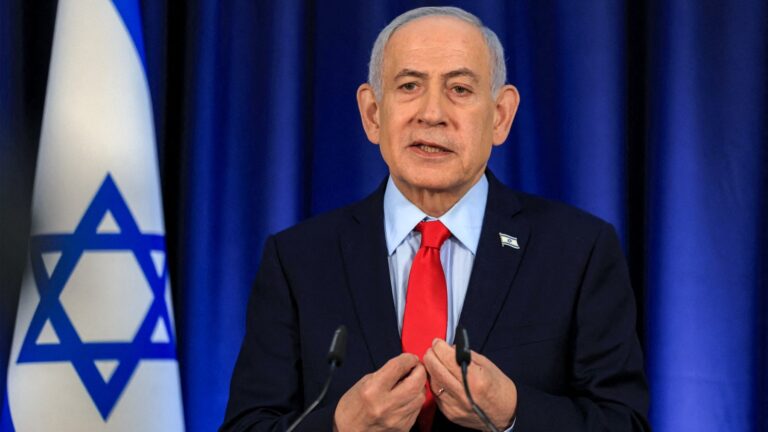
Iranian Foreign Minister Abbas Araghchi
ATTA KENARE / AFP
On Monday, October 6th, Iran announced that it does not plan to immediately resume nuclear talks with European nations following the reimposition of sanctions, the foreign ministry said.
Britain, France and Germany–known as the E3–signatories to Iran’s 2015 nuclear deal, reimposed sanctions on September 28th, triggering in turn the return of UN sanctions under the so-called snapback mechanism.
According to ministry spokesman Esmaeil Baqaei, “We have no plans for negotiations at this stage,” adding that Iran was examining the “consequences and implications” of the restart of sanctions initiated by the E3 countries:
Of course, diplomacy–in the sense of maintaining contacts and consultations–will continue…. Whenever we feel that diplomacy can be effective, we will certainly make decisions based on the country’s interests and priorities.
Iran insists its nuclear programme is solely for civilian purposes and that it has a right to enrichment under the nuclear Non-Proliferation Treaty. The International Atomic Energy Agency (IAEA), the UN’s nuclear watchdog, reports that Iran is the only country without a nuclear weapons program currently enriching uranium to 60%, approaching the 90% level needed for a bomb.
Iran has repeatedly warned that a return of sanctions would lead to a suspension of cooperation with the IAEA. On October 5th, Iran’s Foreign Minister Abbas Araghchi stated that cooperation with the IAEA is “no longer relevant” with the reintroduction of UN sanctions, though it was not clear whether Iran intends to completely break with the agency.