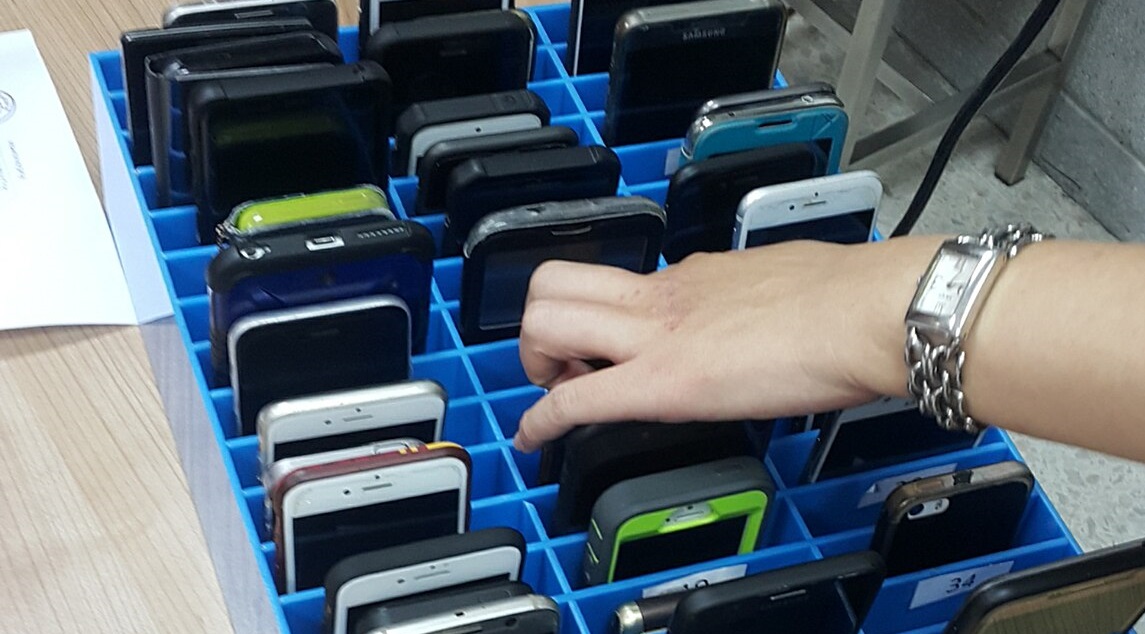
Chainwit (cropped).
Irish politicians, journalists, and media organisations have raised fresh concerns over proposed legislation that could allow gardaí to seize and examine journalists’ phones and electronic devices.
The Garda Síochána (Powers) Bill, published by Justice Minister Jim O’Callaghan during the Christmas period, would introduce tailored search warrants enabling police to seize and access digital devices. While the Bill grants absolute privilege to legal professionals, it does not extend the same protection to journalists, instead requiring claims of journalistic privilege to be assessed through a High Court process.
NewsBrands Ireland, which represents newspaper publishers, has now joined the criticism, warning the draft law contains “several defects.” Its chief executive, Ann-Marie Lenihan, said the Bill fails to reflect recent rulings by the Irish Supreme Court and the EU’s Court of Justice, both of which have stressed that protecting journalistic sources is essential to a free press.
Under the proposed framework, journalists would only be able to assert privilege after their devices have already been seized—and potentially accessed—a process NewsBrands says comes too late to ensure safeguards. The group is calling for a system where courts determine whether journalistic privilege applies before any warrant is granted, pointing to Northern Ireland as an existing model.
Opposition TDs have also condemned the proposals, with some describing them as “state-sanctioned lawfare” that risks creating a chilling effect on sources and investigative reporting.
The Department of Justice maintains that the Bill provides constitutional safeguards and clearer procedures for handling privileged material, but critics argue that without stronger, upfront protections for journalism, accountability and press freedom could be undermined.