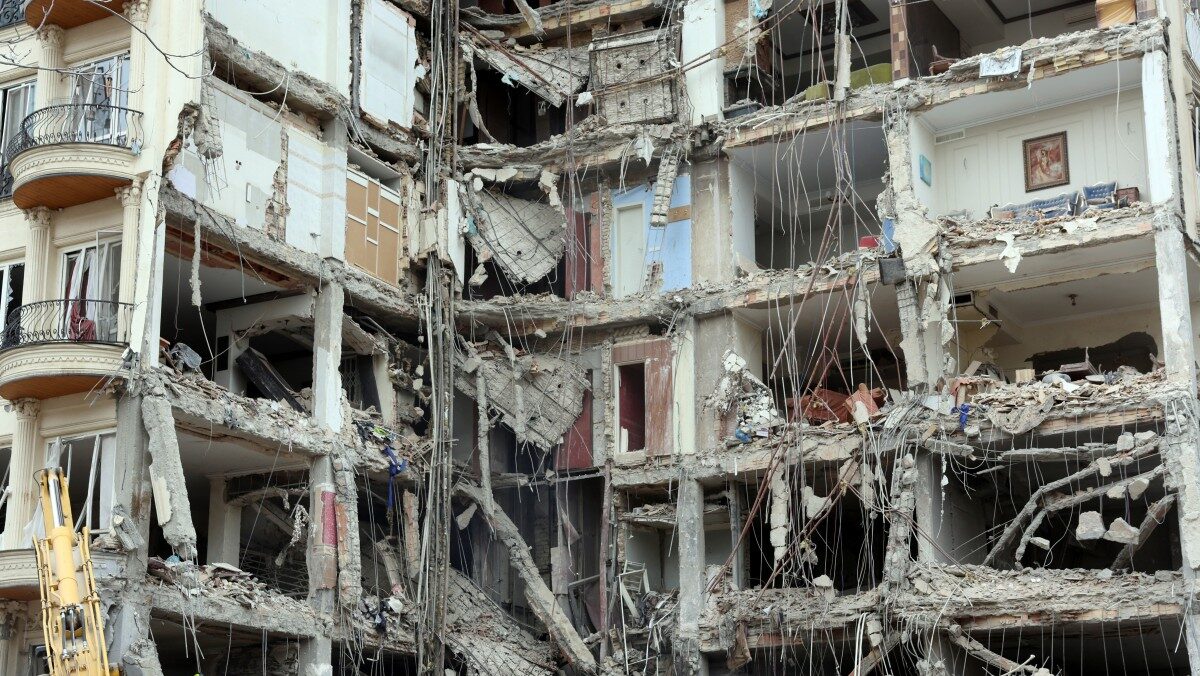
Destroyed apartment in northern Tehran, March 23, 2026.
Photo by AFP
Israel launched a new wave of strikes across Iran on Thursday, hitting infrastructure including in Isfahan, as the nearly four-week war escalated.
Iran responded with missile fire that triggered sirens in Tel Aviv and Jerusalem, while the conflict spread across the region, with Gulf states reporting drone and missile attacks.
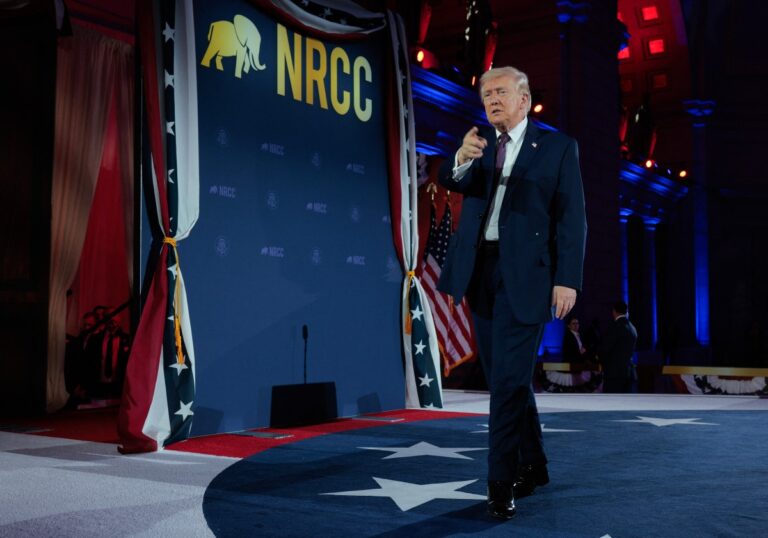
U.S. president Donald Trump said Tehran was seeking a deal to end the war, but Iran’s foreign minister Abbas Araghchi rejected any negotiations, saying any settlement must be on Iran’s terms.
A reported U.S. proposal to halt the fighting has been rejected, while Tehran is demanding guarantees against renewed attacks and compensation for war damage.
Energy markets remain under pressure as Iran restricts the Strait of Hormuz, a key oil route through which roughly 20% of global supply passes.
Separately, Western intelligence reports say Russia has begun supplying Iran with advanced drones to offset heavy losses—claims Moscow denies.
Israeli prime minister Benjamin Netanyahu said operations were also expanding in southern Lebanon, where Hezbollah has intensified attacks.
With additional U.S. troops deploying to the region and no clear diplomatic breakthrough, fears are growing of wider regional escalation and economic fallout.