ANDREW CABALLERO-REYNOLDS / AFP
Early Friday morning, October 10, Prime Minister Benjamin Netanyahu’s cabinet endorsed a ceasefire agreement with Hamas, aimed at ending the war in Gaza and securing the release of Israeli hostages. The deal passed despite fierce objections from Netanyahu’s coalition partners, including National Security Minister Itamar Ben Gvir and Finance Minister Bezalel Smotrich.
Under the terms of the agreement, the Israel Defense Forces (IDF) will withdraw to new positions inside the Gaza Strip, and within 72 hours, Hamas will release all Israeli hostages, both living and deceased. In exchange, Israel will free 250 Palestinian prisoners serving life sentences and 1,700 other Gazans who have been detained since the October 7, 2023, Hamas-led attack that began the war.
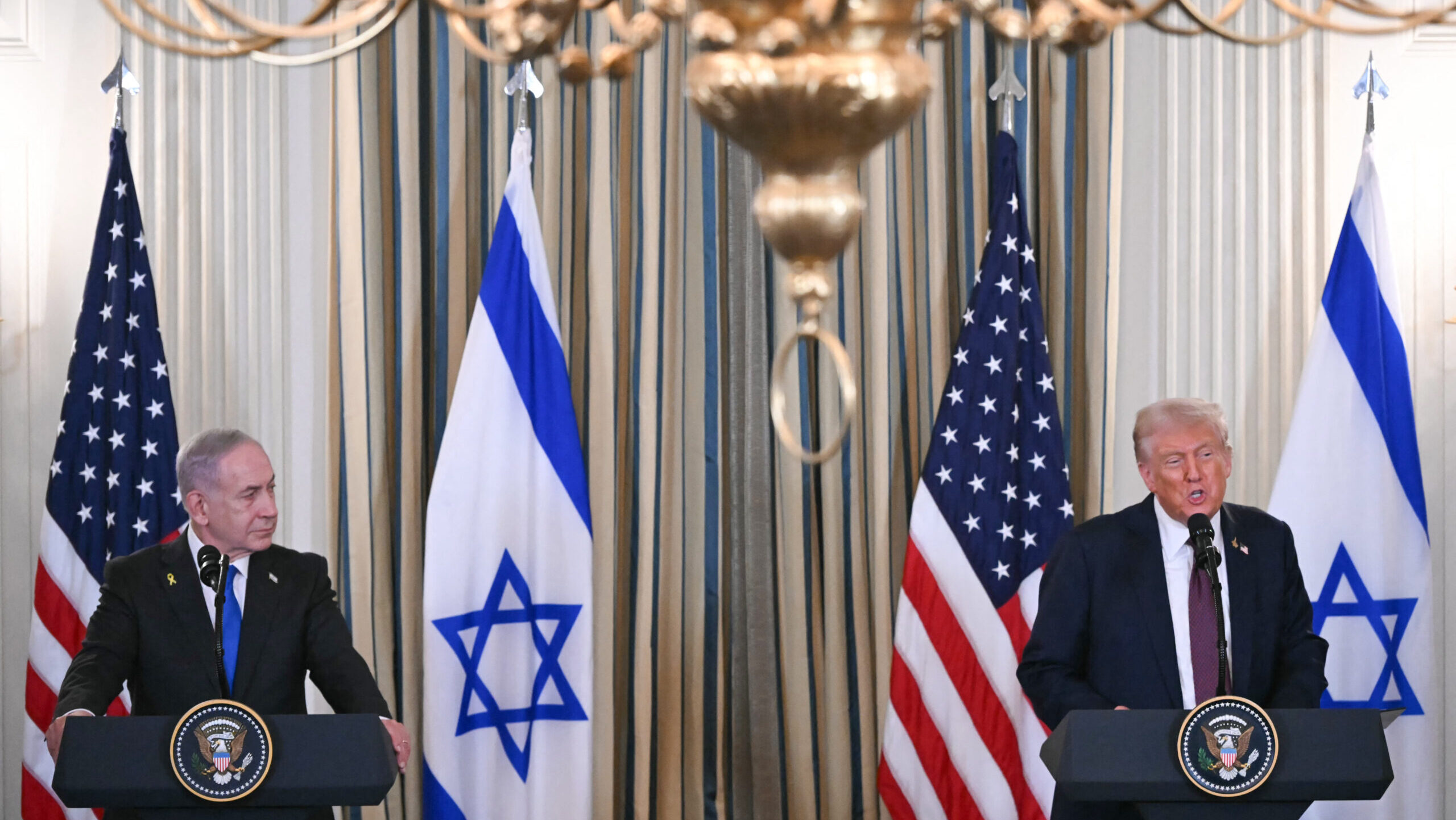
The deal was brokered with significant involvement from U.S. president Donald Trump, his son-in-law Jared Kushner, and White House envoy Steve Witkoff, who attended the Israeli cabinet meeting that approved it. Netanyahu thanked Trump’s team, crediting them and the IDF’s military pressure for isolating Hamas and making the deal possible. Kushner praised Netanyahu’s leadership and Israel’s military campaign, claiming the agreement fulfills a long-standing American goal to bring the hostages home and “end the Gaza war comprehensively.”
However, right-wing ministers condemned the decision, arguing that releasing convicted terrorists endangers Israel and betrays the country’s war aims. Ben Gvir clashed openly with Kushner and Witkoff, declaring, “Would you make peace with Hitler? Hamas is Hitler.” Despite these divisions, his party, Otzma Yehudit, and Smotrich’s Religious Zionism party said they would remain in the coalition for now, though they warned they might later withdraw if Hamas is not dismantled.
The approved document—entitled “Implementation Steps for President Trump’s Proposal for a Comprehensive End of Gaza War”—sets out several phases: an immediate end to hostilities, full humanitarian access to Gaza, Israeli military withdrawal within 24 hours, and a mutual release of hostages and prisoners without public ceremonies.
It also establishes an international task force, including the United States, Qatar, Egypt, and Turkey, to monitor and coordinate the deal’s implementation.
Although the coalition rift may weaken Netanyahu’s government, analysts note that its fall is unlikely in the short term, as the opposition still lacks the 61-seat majority needed to form an alternative administration or call new elections.
Whether opposition warnings about the risks of prisoner releases are correct or not remains to be seen.