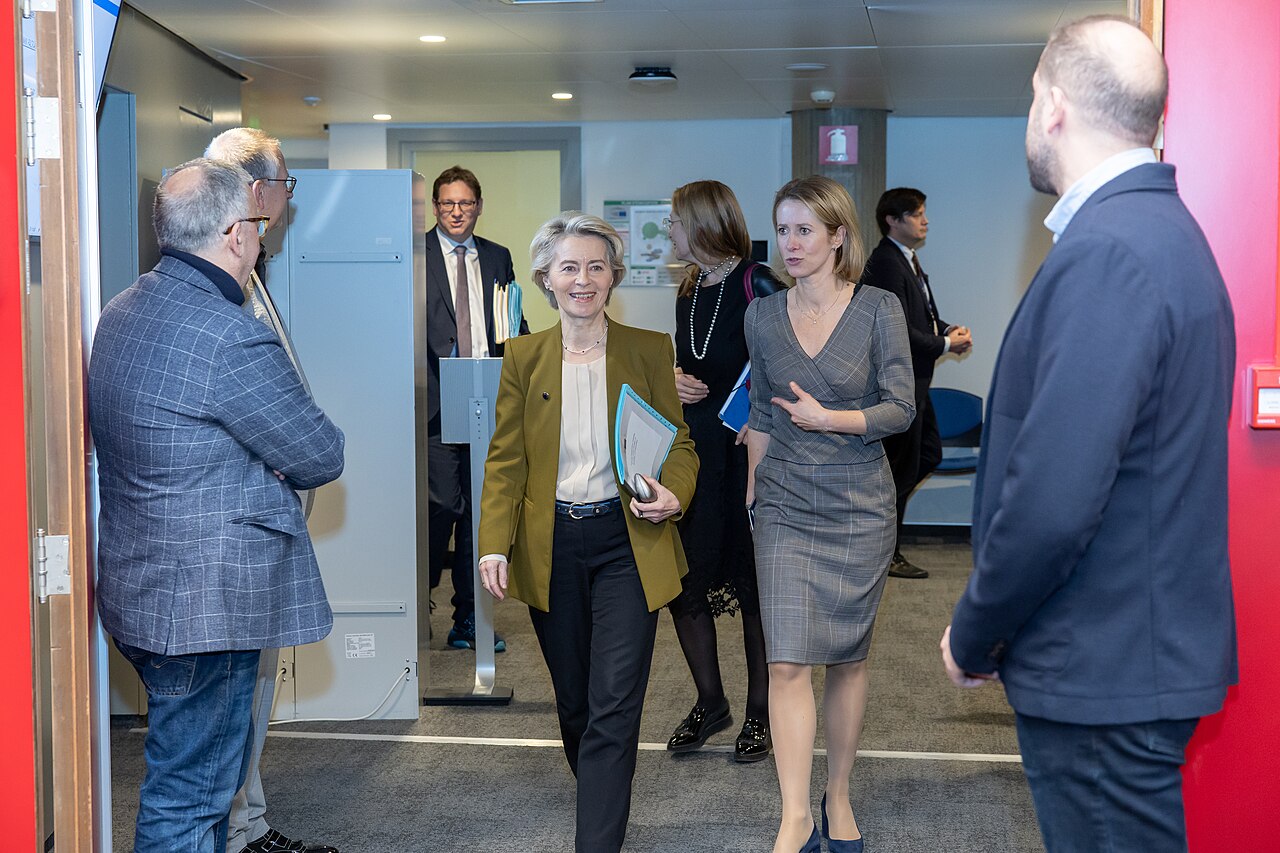
Ursula von der Leyen (L) and Kaja Kallas (R) High Representative of the Union for Foreign Affairs and Security Policy and Vice-President of the European Commission.
Aurore Martignoni / European Union
Ali Khamenei, Iran’s supreme leader, was killed in airstrikes by the United States and Israel. European Union representatives describe the event as historic, offering potential new opportunities for the Iranian people, but also warning it could threaten regional stability.
Kaja Kallas, the EU’s High Representative for Foreign Affairs and Security Policy, called the events
a defining moment in Iran’s history.
She is in direct contact with regional partners most affected by Iran’s military actions, seeking to explore practical steps for de-escalation.
European Commission President Ursula von der Leyen emphasised that the development brings both hope and danger:
There is renewed hope for the Iranian people, but a real risk of instability remains, which could spiral into further violence in the region.
Von der Leyen added that Brussels is consulting closely with all key actors to ensure stability and protect civilians, and noted on X that the future now offers the Iranian people a chance to shape their own destiny.
In response to the tensions, EU ambassadors scheduled a Brussels meeting on Sunday, March 1st, followed by an extraordinary Foreign Affairs Council via video link later in the afternoon. On Monday, von der Leyen will convene the Security College, a consultative body initiated less than a year ago bringing together key officials focused on security, defence, and foreign policy.
The EU hopes that this historic, albeit risky, moment can serve as an opportunity to preserve regional stability and pave the way for a more open and free Iran.