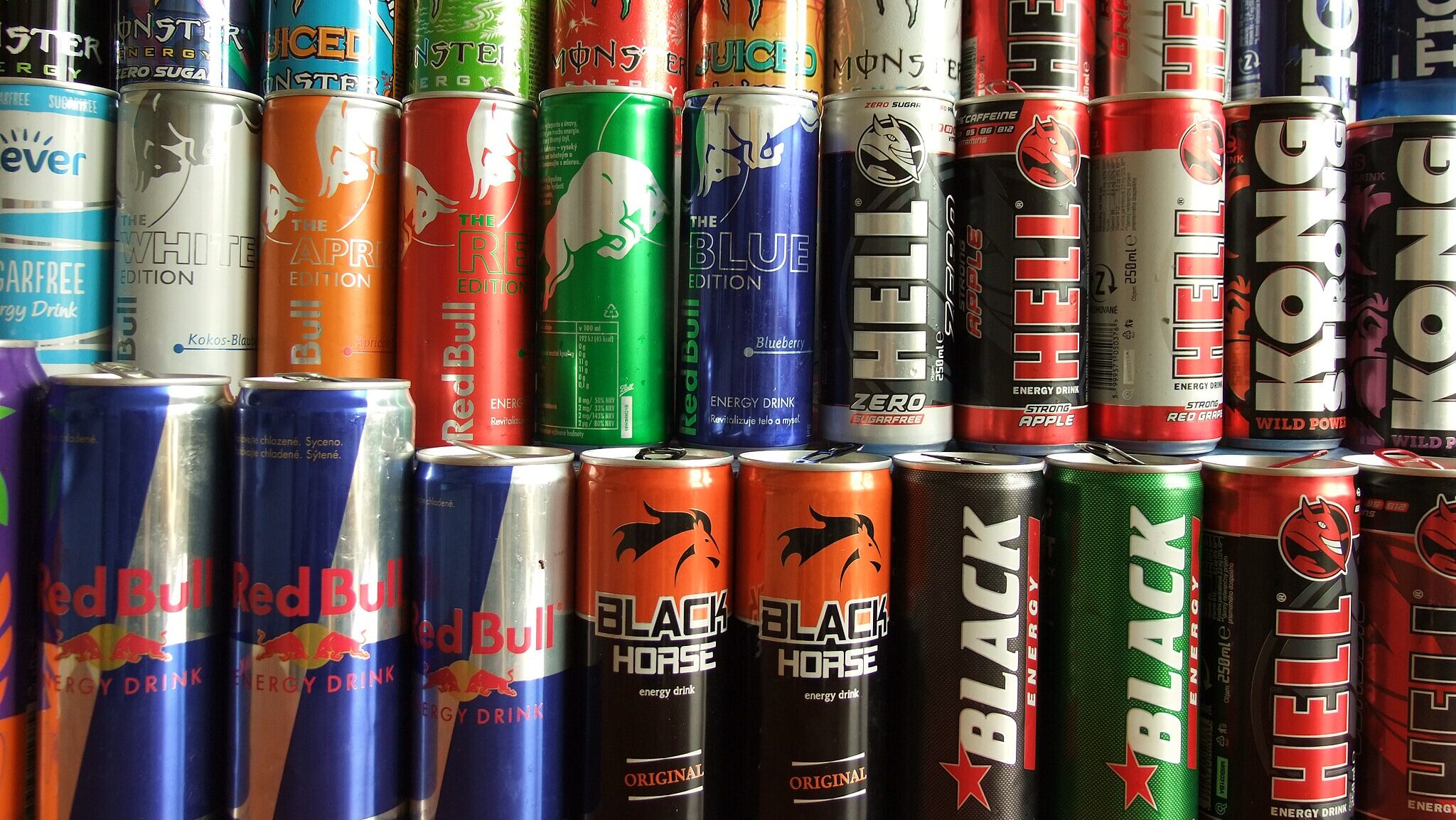
Oto Zapletal, CC BY-SA 4.0, via Wikimedia Commons
High-caffeine energy drinks will be banned for sale to youths under 16 years of age in England in plans announced by the British government on Wednesday, September 3.
“By preventing shops from selling these drinks to kids, we’re helping build the foundations for healthier and happier generations to come,” health minister Wes Streeting said in a statement.
Up to a third of 13- to 16-year-olds in England are believed to consume energy drinks such as Red Bull—some of which contain more caffeine than two cups of coffee—despite most supermarkets having introduced voluntary age checks, according to the government.
“How can we expect children to do well at school if they have the equivalent of a double espresso in their system on a daily basis?” Streeting said, adding
We’re acting on the concerns of parents and teachers and tackling the root causes of poor health and educational attainment head on.
A 12-week consultation will now gather evidence from experts, the public, and retailers and manufacturers.Under current rules, any drink with over 150mg of caffeine per litre requires a warning label saying it is not recommended for children.
“Energy drinks might seem harmless, but the sleep, concentration, and well-being of today’s kids are all being impacted, while high sugar versions damage their teeth and contribute to obesity,” according to Streeting.
The sale of energy drinks to minors was also recently banned in Hungary.
The first European Union member state to ban the sale of energy drinks to minors in 2014 was Lithuania. Another Baltic state, Latvia, followed suit in 2016. Romania issued its own ban last year.
Poland also started enforcing strict regulations on the sale of energy drinks containing caffeine and/or taurine, requiring an ID for their purchase.