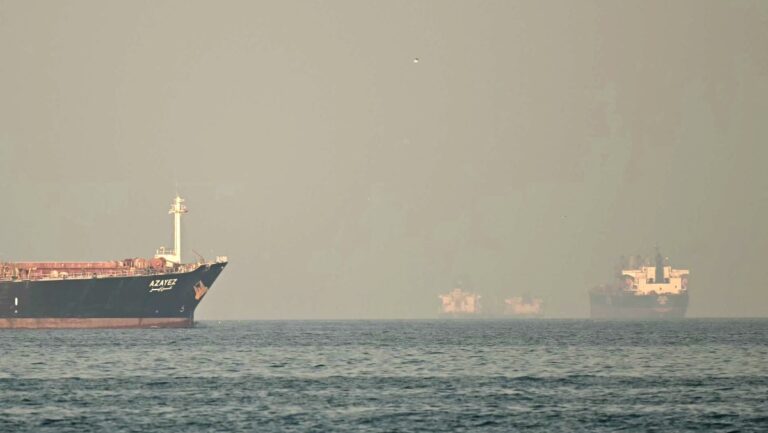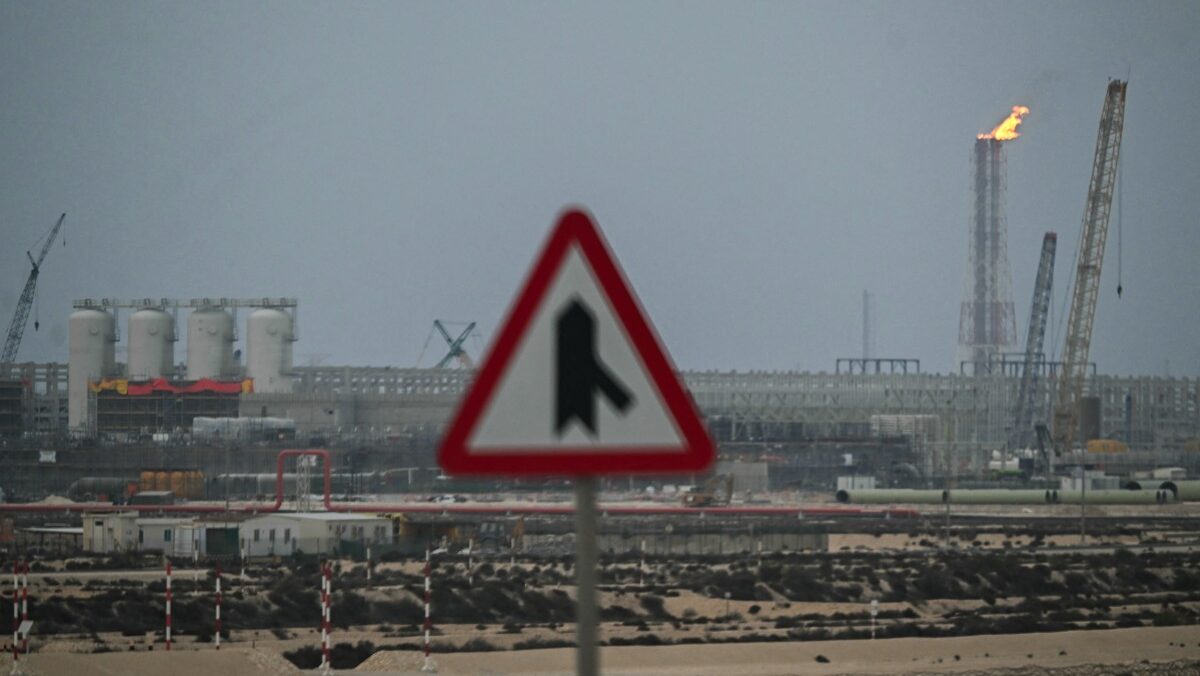
QatarEnergy’s operating facilities in Ras Laffan Industrial City on March 2, 2026.
Photo by AFP
Iran has struck at the heart of the global energy system, unleashing two waves of missile attacks on Qatar’s Ras Laffan—home to the world’s largest LNG hub—causing “extensive damage” and sending shockwaves through already fragile markets.
As fires tore through key installations and gas prices surged, Donald Trump issued a stark warning: any further escalation would trigger retaliation against Iran’s own South Pars gas field, raising the stakes in a conflict now threatening global energy supplies.
The strikes were described as a response to an Israeli attack a day earlier on Iran’s South Pars gas field, part of the world’s largest natural gas reservoir.
Qatar is among the world’s leading LNG producers, alongside the United States, Australia and Russia, and Ras Laffan is considered the largest LNG hub globally. The facility has been repeatedly targeted since the conflict began, but the latest strikes appear to have caused the most severe damage so far.
Energy markets reacted sharply to the developments. Oil prices rose by 5%, while European gas prices surged by 35%. The Strait of Hormuz, a key transit route that typically carries around one-fifth of global oil and LNG shipments, has also seen traffic decline due to security concerns linked to the conflict.
Analysts said the targeting of energy production facilities, not just storage depots and transport, is on a different scale.
Theresa Fallon, director of the Centre for Russia Europe Asia Studies, described the strike as a “significant escalation,” warning that its economic impact could be felt for years.