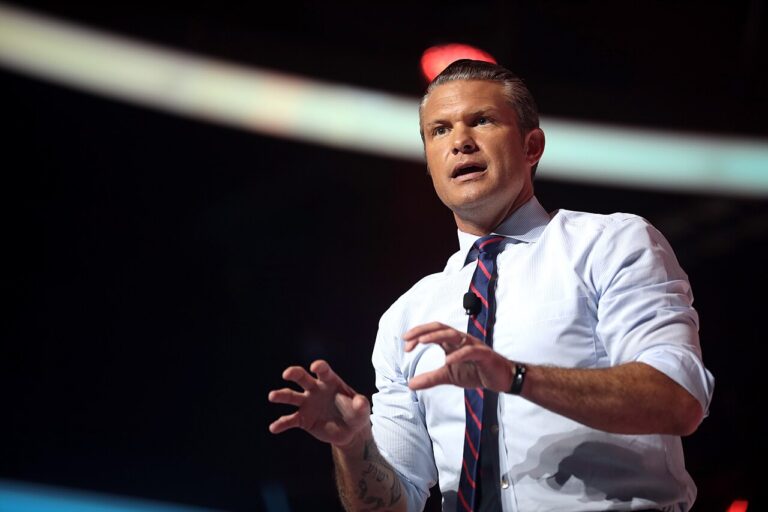
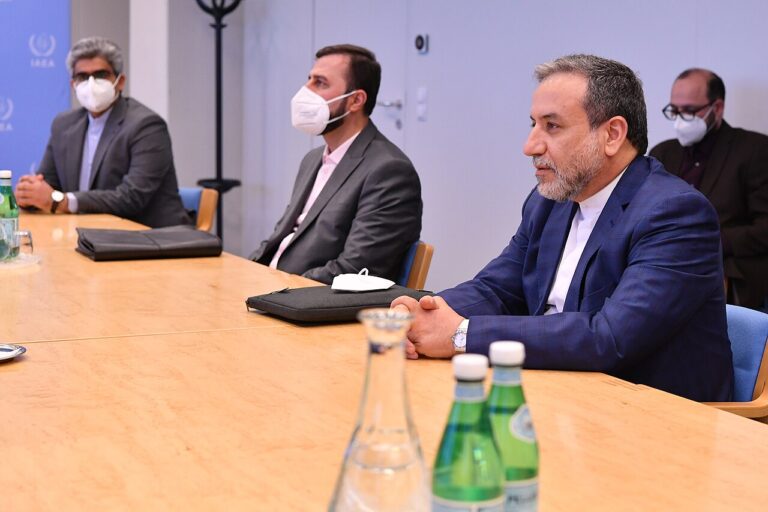
Noisy-le-Sec’s Communist Party (PCF) Mayor Olivier Sarrabeyrouse looks over after a press conference following the cancellation of the screening of the film “Barbie” on a giant screen, in Noisy-le-Sec, a northeastern Paris suburb, on August 14, 2025.
Martin Lelievre / AFP
Authorities in the Paris suburb of Noisy-le-Sec (Seine-Saint-Denis) canceled the screening of the Barbie movie, following threats from local individuals.
Mayor Olivier Sarrabeyrouse (French Communist Party, PCF) said there was no alternative to scrapping the film screening to safeguard residents and public employees. The mayor filed a police report against the “unknown persons” who had issued the threats.
The screening had been selected in a vote by local residents and was part of the summer tradition of open-air cinemas, which are widely popular in France.
While the threats were reportedly not directed at individuals, the mayor emphasized the risk of equipment sabotage.
Republican Senator Valérie Boyer suggested the threats were linked to Islamist fundamentalists, a claim Sarrabeyrouse denied.
French Culture Minister Rachida Dati criticized the cancellation on social media, saying such incidents deny families and children cultural activities and constitute a growing form of crime, implying that the mayor yielded to fundamentalist pressure in his district.
Seine-Saint-Denis has the highest proportion of migrants in France, with about 60% of residents having a migration background. Notably, the film Barbie has also faced censorship in Kuwait, Algeria, and Lebanon.