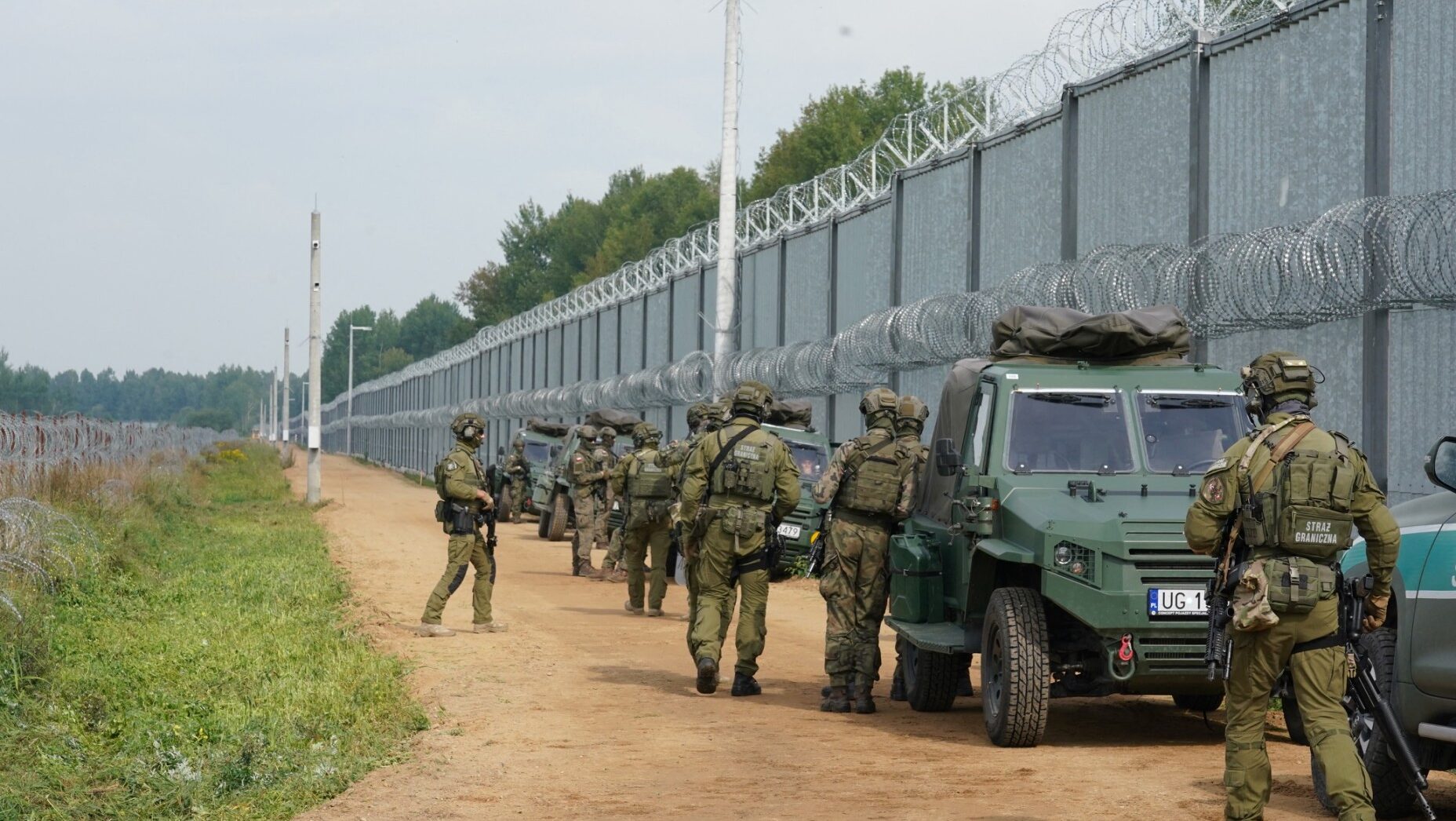
The Poland–Belarus border on August 25, 2025, in Krynki, eastern Poland.
JANEK SKARZYNSKI / AFP
Poland has extended temporary border controls with Germany and Lithuania until October 1, as tensions with Berlin over migrant returns continue and authorities warn of ongoing pressure on its borders.
The interior ministry said the decision was necessary to counter illegal migration and ensure internal security.
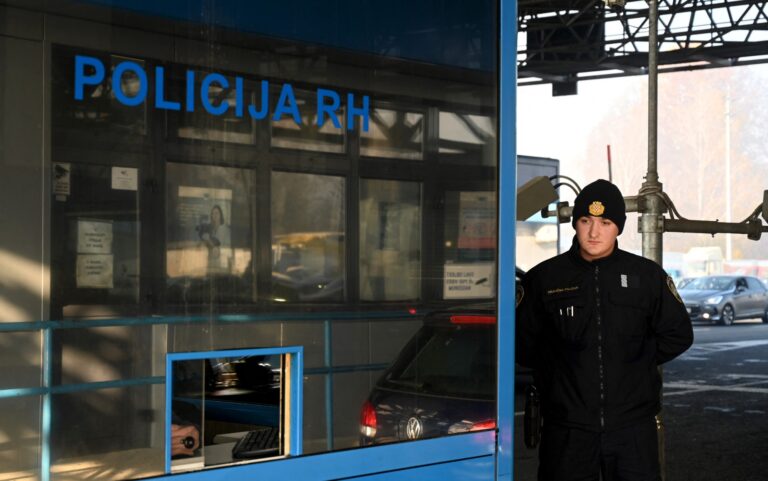
Last week alone, more than 56,000 people and nearly 30,000 vehicles were checked at the two borders, with 61 individuals denied entry, according to the Polish Border Guard.
The checks were first reintroduced on July 7, 2025, in response to what officials described as an “uncontrolled influx of migrants.” Initially planned for 30 days, the measures have since been extended multiple times, with the latest prolonging them by a further six months.
Under the rules, Border Guard officers—supported by police and military units—are authorised to stop and inspect selected vehicles.
Interior Minister Marcin Kierwiński said the controls allow authorities to monitor migration routes running from the Baltic states through Poland to Western Europe, adding that individuals involved in smuggling migrants westward have been intercepted.
Prime Minister Donald Tusk has linked the decision directly to Germany’s refusal to accept back migrants attempting to cross its border, describing the situation as an “asymmetrical” approach between neighbouring states. He has said Poland remains committed to the EU’s border-free travel system, but only if it is upheld equally by all members.
Germany reinstated its own border checks with Poland in October 2023 and has since extended them repeatedly, with the latest decision keeping controls in place until at least mid-September 2026.
On the Lithuanian border, inspections apply not only at official crossings but also along so-called “green border” areas, including forests and local roads. The operations are supported by Poland’s Territorial Defence Force and other military units, and anyone found crossing illegally is returned to Lithuania.
Polish authorities have also pointed to what they describe as large-scale people-smuggling operations orchestrated by Russia and Belarus, calling for closer cooperation among EU states to address the threat.