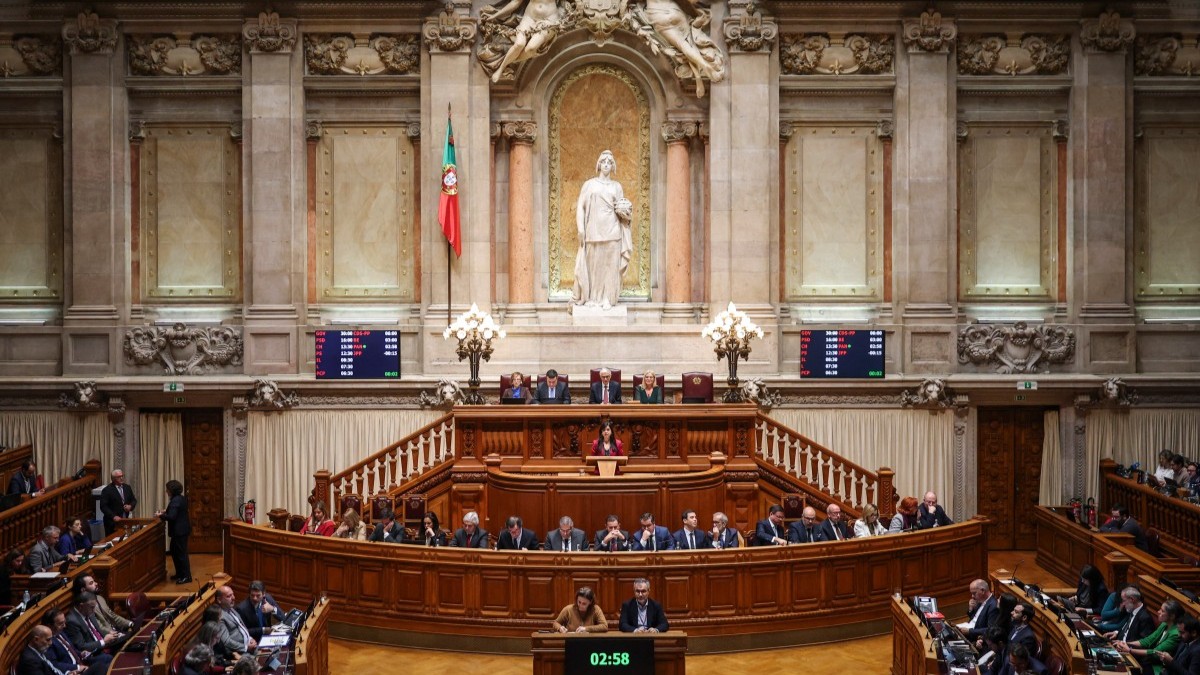
A general view of the Portuguese parliament during the state budget debate on November 27, 2025.
PATRICIA DE MELO MOREIRA / AFP
Portugal’s parliament has passed a bill raising the minimum age for autonomous social media access to 16. The legislation reflects a growing global push—pioneered by Australia—to combat the adverse effects of online platforms on youth mental health and development.
Under the new law, solo access to networks like TikTok, Instagram, and Facebook is reserved for those 16 and older. Children aged 13 to 16 may only use these services with express, verified parental consent, while those under 13 are prohibited from the platforms entirely. Notably, the law excludes messaging tools like WhatsApp to ensure parents can still communicate with their children.
To ensure compliance, the bill mandates the use of effective age-verification mechanisms, such as Portugal’s Digital Mobile Key. Furthermore, tech companies are now legally obligated to implement safeguards against addictive algorithms, violent content, and AI-manipulated media for their younger users. Enforcement will be overseen by the national communications authority (Anacom) and the data protection commission (CNPD).