RALF HIRSCHBERGER / AFP
Germany’s Bundestag has hosted its first-ever official parliamentary Iftar, organised by Green Party MP Lamya Kaddor—an event that has sparked criticism over ideological contradictions and the growing role of state-backed Islamic advocacy.
Attended by senior Green figures including party co-leader Felix Banaszak and parliamentary group head Britta Haßelmann, the evening featured a lavish buffet and communal prayers—held separately for men and women, in a move critics say undercuts the party’s professed commitment to gender equality.
Kaddor framed the event as a response to what she described as the “marginalization” of Islam in public life and media. However, the gathering has drawn scrutiny for the presence of taxpayer-funded organisations closely aligned with Islamic advocacy.
Among them was the group CLAIM, which campaigns against “anti-Muslim racism” and received €1.3 million in government funding in 2024. Also present was the Turkish Community in Germany, which received more than €6 million in state support the same year. Together, the organisations took in over €7 million in public funds.
The involvement of such groups has fuelled criticism over the use of taxpayer money to support organisations advancing explicitly religious or identity-based agendas—particularly as some associated figures have previously attracted controversy for inflammatory remarks.
Further questions have been raised about transparency, as the event was not listed on the official Bundestag events calendar.
Beyond the symbolism, the Iftar reflects a broader political direction. The Green Party has unveiled a 24-point programme titled “Promoting Diverse Muslim Life in Germany,” aimed at expanding the role of Islamic institutions and practices within the state.
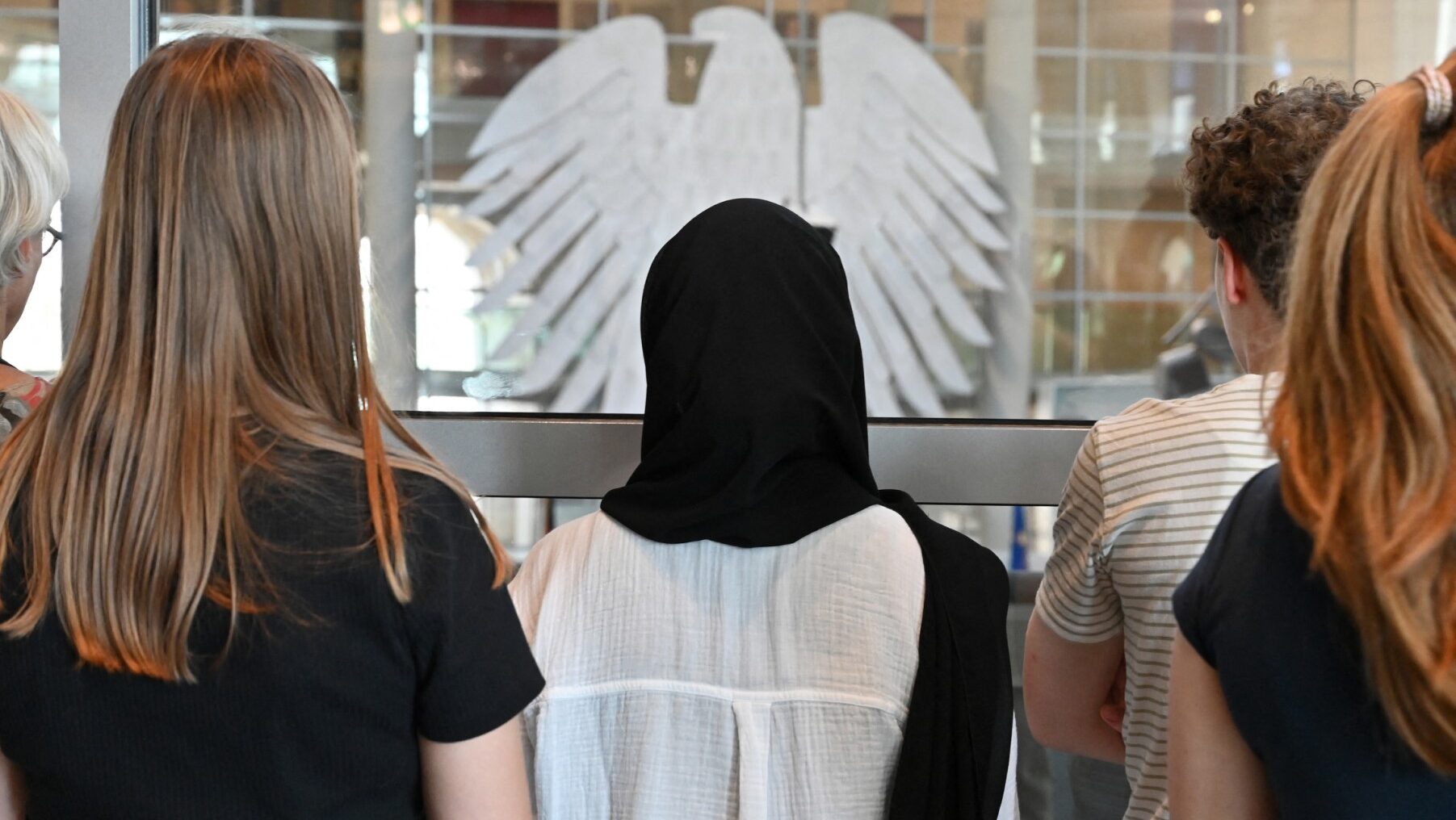
Proposals include removing headscarf bans in the public sector, expanding Islamic religious education in state schools, and increasing long-term public funding for Muslim organisations. The plan also calls for closer cooperation between the state and Islamic associations, alongside stronger legal protections tied to anti-discrimination frameworks.
Kaddor herself has remained a polarising figure in debates over integration and internal security. She recently dismissed concerns about prominent Arab crime clans by referring to them as “German families,” a characterisation critics argue downplays the scale and persistence of organised criminal networks.
Taken together, the Bundestag Iftar and the Greens’ policy agenda point to a deeper shift: from symbolic gestures of inclusion to a more structural integration of religious identity into public institutions—raising questions about consistency with the party’s secular and feminist commitments.