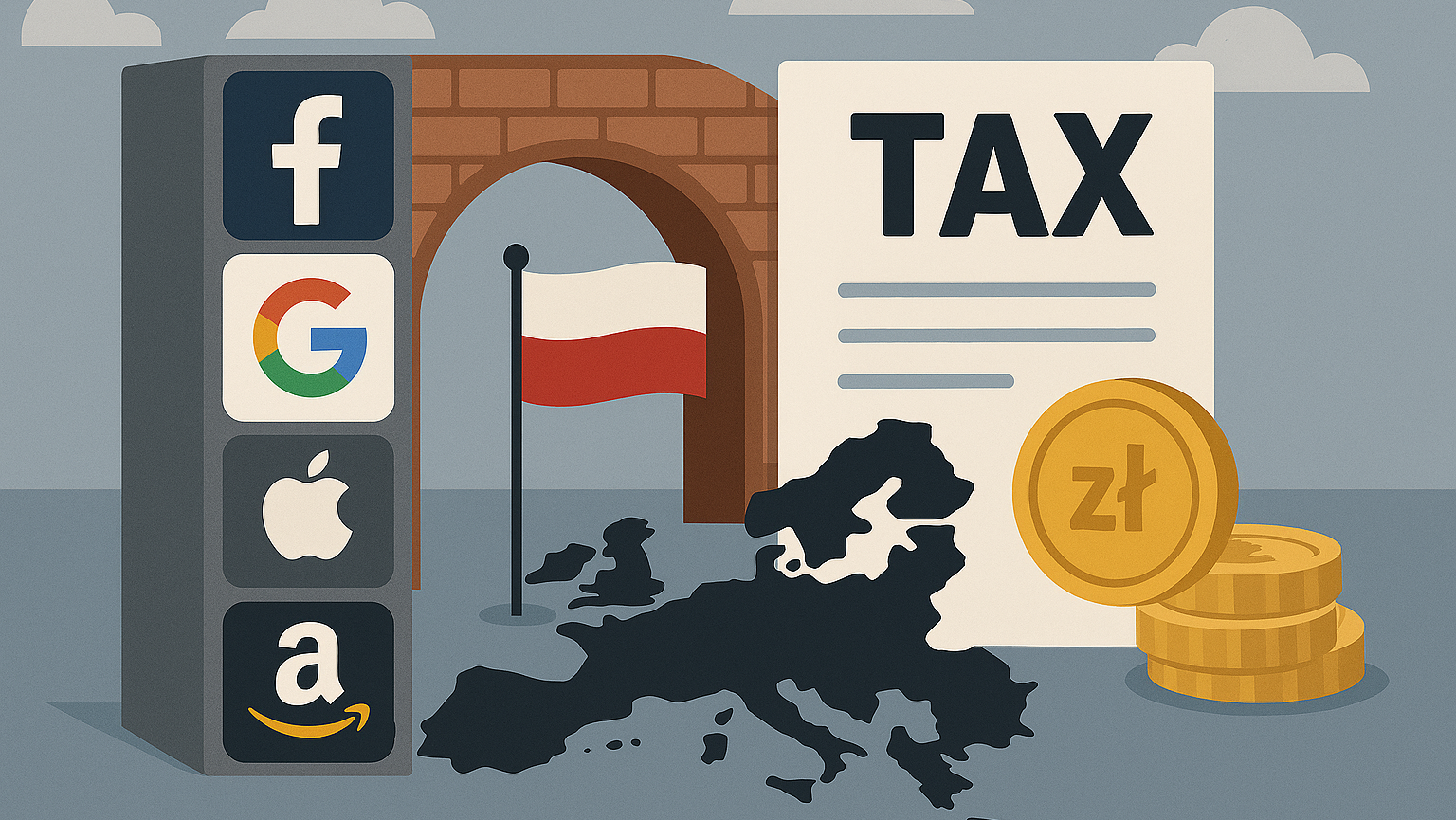
Poland’s government is preparing to impose a digital services tax on technology firms operating within the country by the end of 2025. The new policy will likely involve a 3% digital tax rate on companies whose global revenues exceed €750 million.
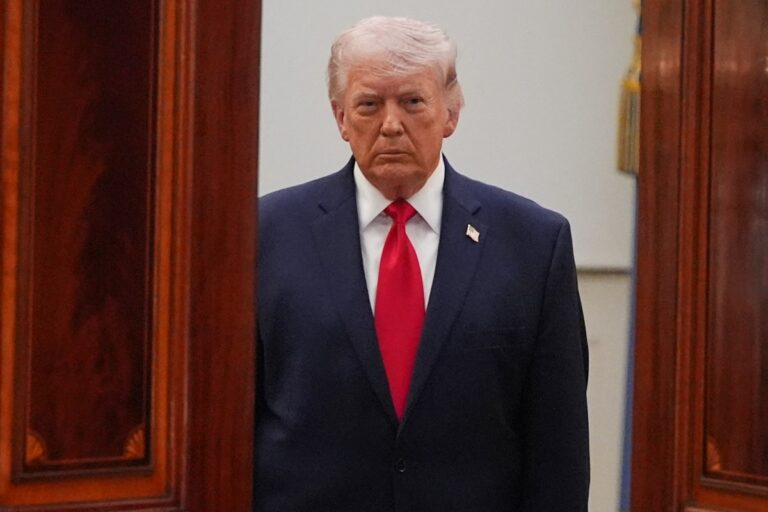
Such work continues despite U.S. president Donald Trump’s claims that he will impose tariffs on countries—including European Union member states—that, as he sees it, ‘discriminate’ against American big tech interests.
The European Commission has, to date, failed to establish a single framework for ‘digital’ taxation. On Tuesday, August 27 its spokeswoman Paula Pinho declared that
it is the sovereign right of the EU and its member states to regulate our economic activities on our territory that are consistent with our democratic values.
In the absence of an EU-wide policy, France, Italy, and Spain have already forged ahead individually. Now Poland aims to follow suit, publicly undeterred by threats from Trump. An official representative from Poland’s Ministry of Digital Affairs told sympathetic journalists that work “is currently underway to prepare the draft bill, which is expected to be completed by the end of 2025.” In addition to raising revenue, such taxation is intended to assist national, tax-paying technology companies, creating more of a level playing field.
In 2019, the Czech government proposed a 7% digital services tax which would apply to firms which crossed set global and national revenue thresholds, but did not follow through. Ahead of Poland, Slovakia’s Ministry of Investment, Regional Development and Informatization has stated its goal for a domestic digital services tax, with state secretary Radomir Salitros saying
Slovak media, travel agencies, or taxi services pay taxes at home. But large digital platforms such as Meta (Facebook, Instagram), Google and YouTube, TikTok, Booking, Airbnb, Uber, Bolt, Amazon, eBay, Aliexpress, Netflix, Spotify, Disney+ or cloud services like Microsoft or Amazon Web Services generate huge revenues in Slovakia—and yet they don’t pay taxes here. That is unfair to our entrepreneurs as well as to our citizens
Unfortunately, given the history of the EU smothering innovation in IT, there is a danger that taxation by member states may have unintended consequences.