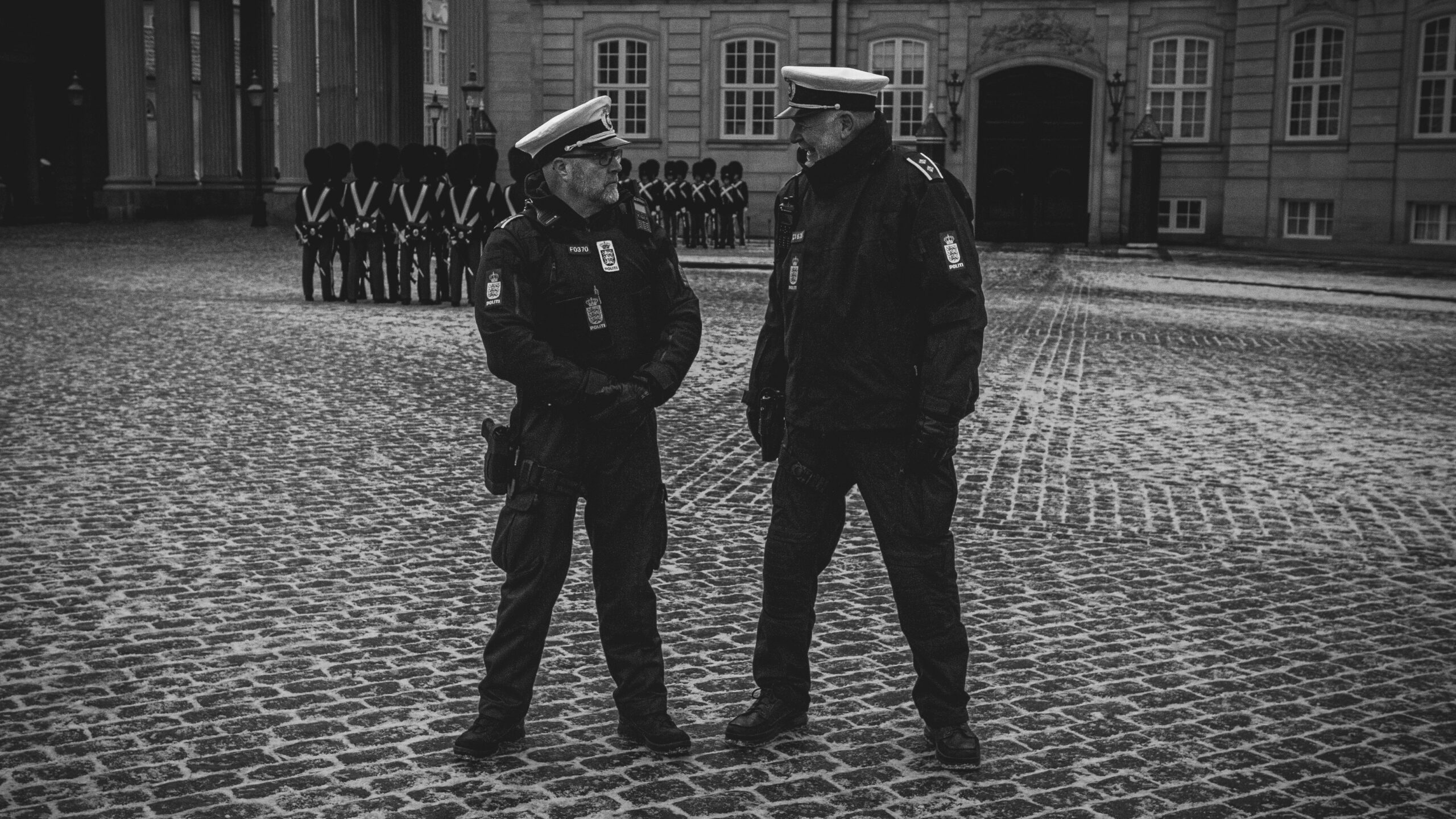
Danish policemen in Copenhagen
According to Austrian right-wing activist Martin Sellner, Danish statistics from 2010 to 2022 reveal what he describes as a “brutal truth”: Somalis, Syrians, and Afghans arriving in Germany in large numbers are significantly overrepresented among perpetrators of violent crime.
Commenting on the data he shared on X on February 1, Sellner, the most prominent figures of the Identitarian Movement of Austria, highlighted that these are the very groups “imported into Germany en masse” and who are far more likely to commit violent crimes than the native population.
Danish statistics from 2010–2022 reveal a brutal truth:
— Martin Sellner (@Martin_Sellner) January 31, 2026
Somalis, Syrians, and Afghans, the very groups imported into Germany en masse, show a vastly higher propensity for violent crime than the native population.
Every crime those people committed was imported by our elites. pic.twitter.com/Ty2aKW9MAS
In fact, data from the Danish Ministry of Justice indicate that non-Western immigrants and their descendants make up approximately 10.6% of the population, yet are responsible for nearly 30% of violent crimes and 32.4% of reported sexual assaults.
According to crime statistics released by German federal authorities, non-German nationals were disproportionately represented among criminal suspects in 2024. In cases of violent crime, they accounted for nearly 60% of suspects, despite making up only around 14.6% of Germany’s population.
A similar pattern can be observed in neighbouring Denmark. Data from the Danish Ministry of Justice indicate that non-Western immigrants and their descendants make up approximately 10.6% of the population, yet are responsible for nearly 30% of violent crimes and 32.4% of reported sexual assaults.
As we previously reported, other statistical figures also indicate that certain non-Western groups, including people originating from Somalia or the Middle East, remain overrepresented in crime statistics in Denmark even when adjustments are made for age, gender, and socioeconomic background.
At the same time, experts in both Germany and Denmark also stress that economic marginalisation, housing situations, and integration challenges often play a decisive role in shaping crime statistics.