Europe’s drug habits are shifting—and not in the way many might expect.
A major new study tracking wastewater in 115 cities across 25 countries shows that while ecstasy is falling out of favour, cocaine and ketamine are surging—especially among younger users.
The data, compiled with the European Union Drugs Agency (EUDA), offers a real-time glimpse into what Europeans are actually taking. MDMA use dropped by nearly 16% between 2024 and 2025, a sharp and unexpected decline. Analysts say younger users are increasingly turning to alternatives like ketamine and synthetic drugs.
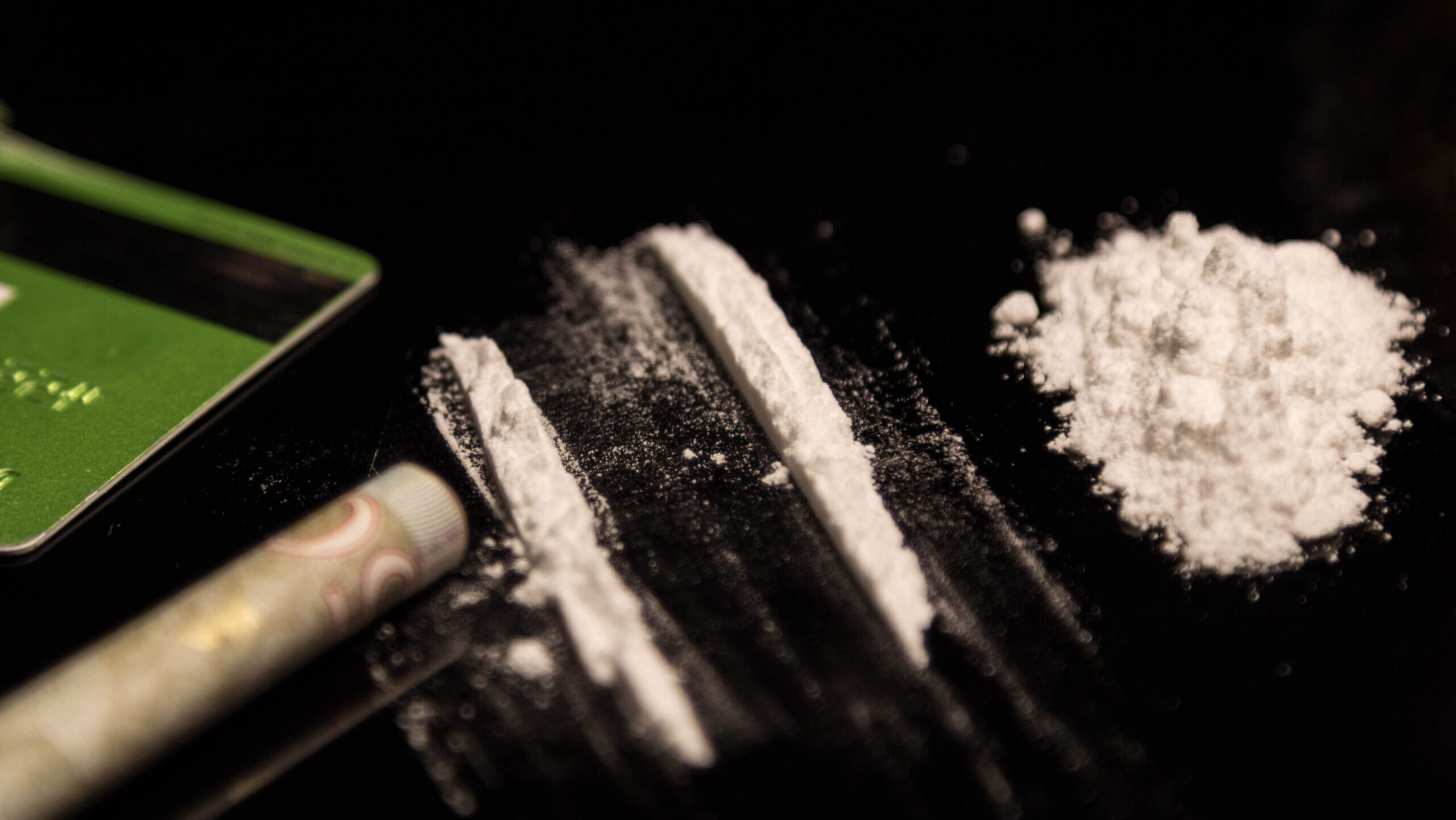
Meanwhile, cocaine continues its steady rise, with residues up 22% year-on-year—fuelled by greater availability across Europe. But the most dramatic shift is ketamine, which has jumped by 41%, reflecting both wider supply and growing popularity in nightlife scenes.
Patterns vary sharply by region. Cocaine remains strongest in western and southern Europe, particularly in key port countries, while amphetamines dominate in the north. Methamphetamine use is still largely concentrated in the Czech Republic and Slovakia, where it is often produced domestically.
Despite these changes, cannabis remains by far the most commonly used drug, with consumption holding steady—suggesting that while trends shift, some habits remain firmly entrenched.