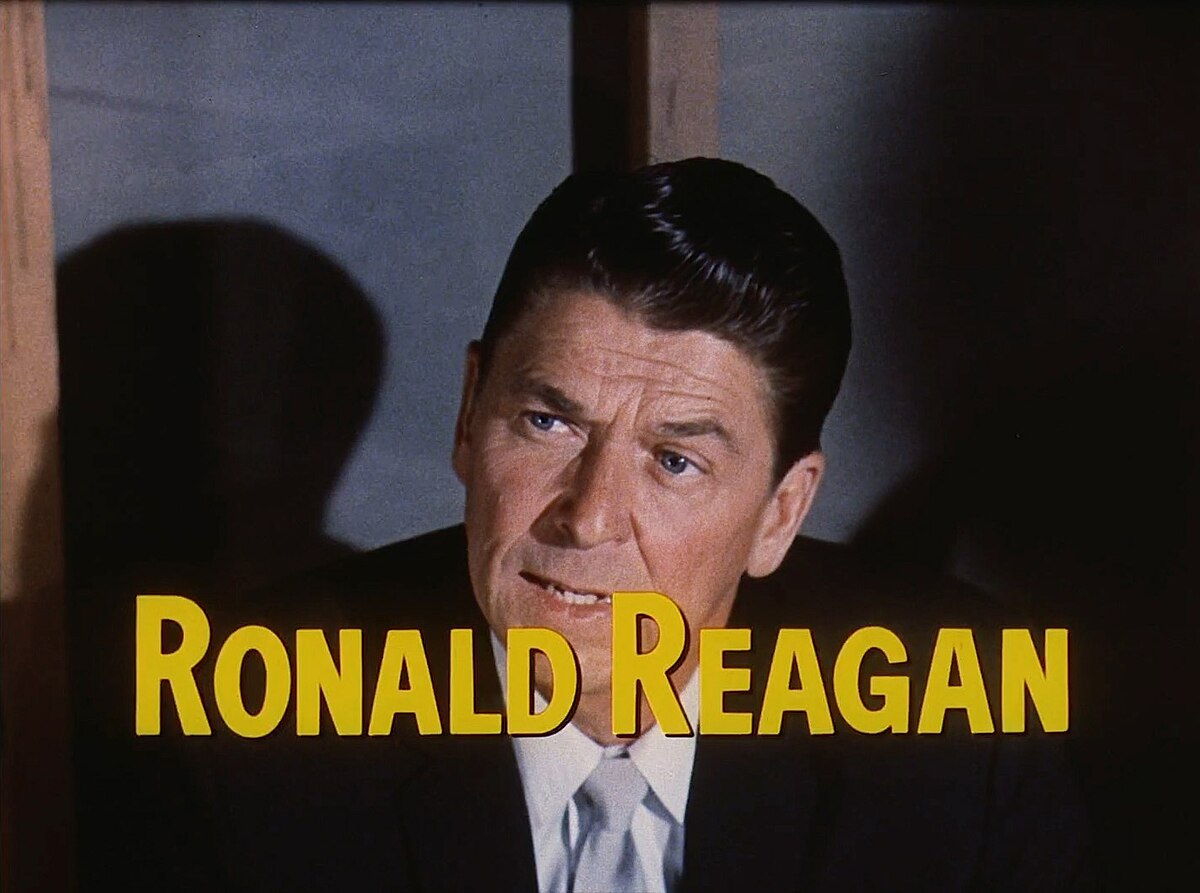
Cropped screenshot of Ronald Reagan from the trailer for the film The Killers (1964).
Universal Pictures on Wikimedia Commons
Donald Trump’s latest tariff move has added to renewed tensions between the United States and Canada. The U.S. president announced a retaliatory 10% increase on goods imported from Canada, provoked when the province of Ontario aired an anti-tariff advertisement, which quoted his White House predecessor Ronald Reagan, criticising Washington’s trade policy.
Trump called the ad “fraudulent” on social media and accused Canadian officials of failing to withdraw it before the Major League Baseball World Series. Although the Ontario government later suspended the campaign, Trump said the decision came “too late.”
The United States has already imposed a 35% tariff on all Canadian goods, along with sector-specific duties—including 50% on metals and 25% on motor vehicles. During his trip to Asia on Saturday, Trump said he would “raise tariffs on Canada by 10% from the current level.”
Three-quarters of Canadian exports go to the U.S., meaning the latest hike could have serious economic consequences. Canada remains the only G7 country yet to reach a new trade deal with Washington since Trump’s most recent wave of tariff increases.
At the centre of the controversy is an Ontario ad quoting excerpts from Reagan’s 1987 speech suggesting that tariffs “harm all Americans”—a message the Reagan Foundation says was taken out of context. Despite rising diplomatic tensions, both sides have pledged to keep negotiations going.
Earlier this month, Trump also clashed with China, announcing an additional 100% tariff on Chinese imports from November 1, on top of the existing 30% duties—further escalating trade tensions with Beijing.