

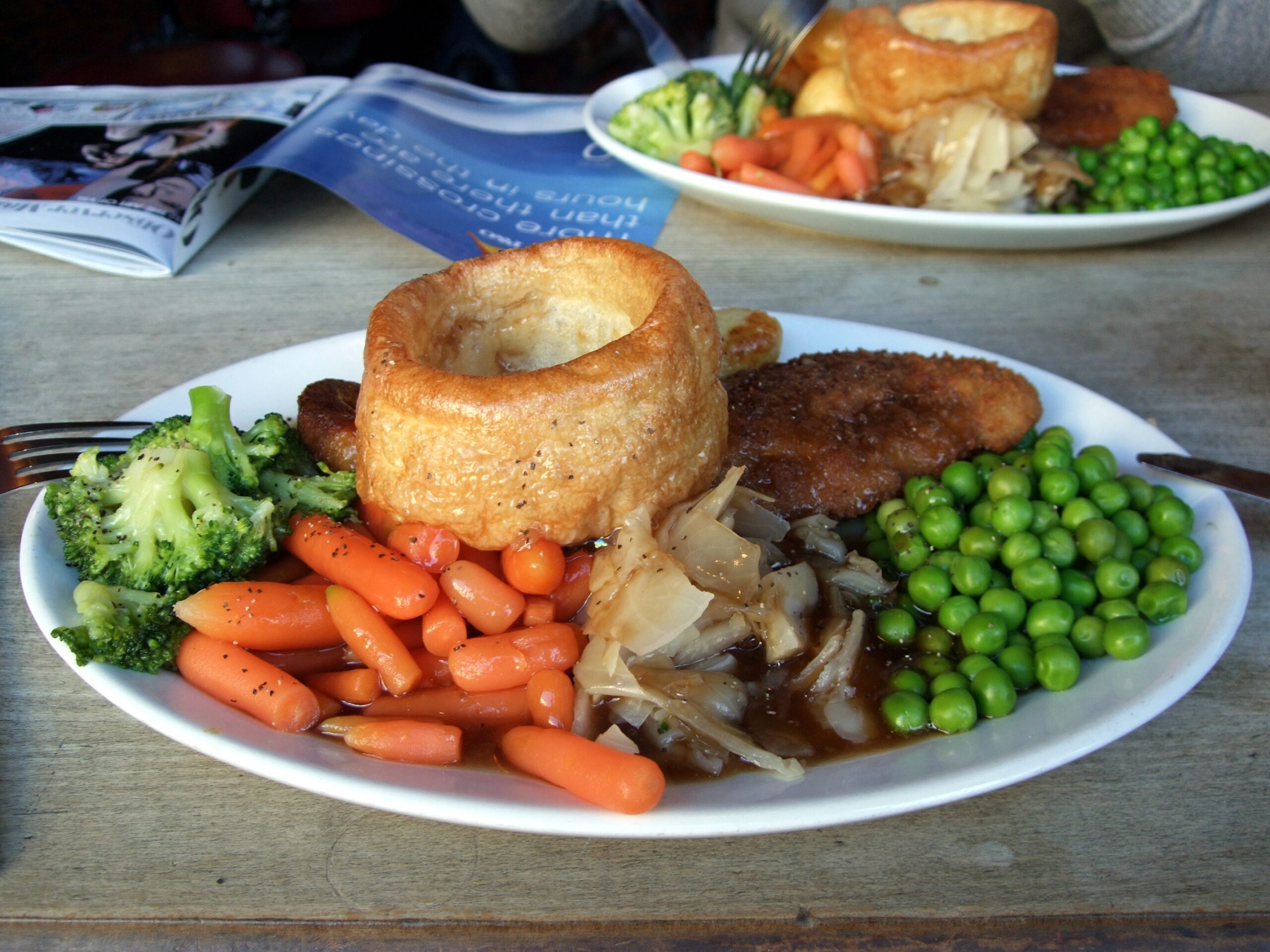
A vegetarian roast—with a mycoprotein fillet derived from the Fusarium venenatum microfungus—sold in Walthamstow, east London. Yummy!
European Union member states and lawmakers have agreed to ban the use of meat-related terms such as “steak” and “bacon” for marketing plant-based foods—but spared veggie “burgers” and “sausage.”
The decision marks a win for Europe’s livestock farmers, many of whom argue that plant-based foods which mimic meat are potentially misleading for consumers, further threatening their already troubled sector.
Celine Imart, a cereal farmer and lawmaker from France who sponsored the plan hailed the deal as an “undeniable success,” declaring it
recognises the value of livestock farmers’ work and protects their products, fruits of unique know-how, against a form of unfair competition.
The ban, which applies also to laboratory-grown or cell-based “meat,” was agreed as part of a broad-ranging package of new measures to protect farmers, after months of wrangling, with critics questioning its usefulness.
Food retailers in Germany, Europe’s largest market for plant-based alternative products, had spoken out against it, along with environmentalists and consumer advocates.
Arguing that these meaty names create confusion amongst consumers is nonsense,
according to Agustin Reyna, director general of consumer organisation BEUC. She asserted that most people agreed with using the terminology as long as products were clearly labelled vegetarian or vegan.
Representatives of the EU’s 27 member states and the European Parliament nevertheless decided to move ahead, after lawmakers endorsed the ban from October—but with some exceptions.



.jpg)