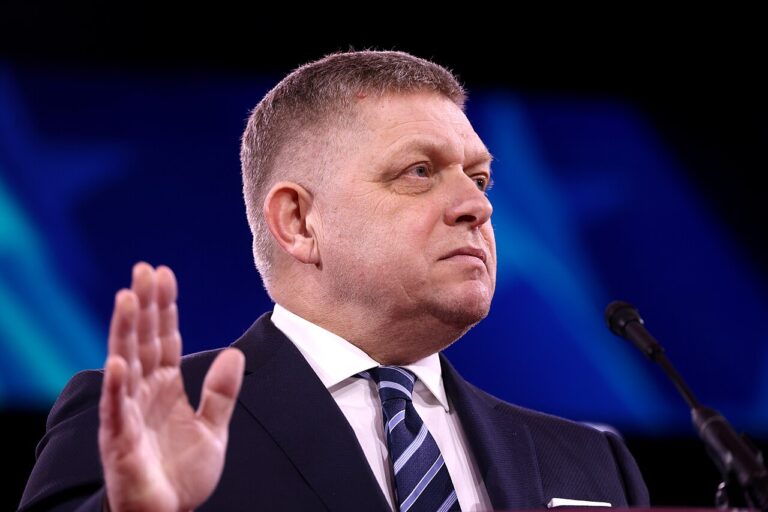
Jonas Gahr Store
Genya SAVILOV / AFP
Norway held elections on Monday, September 8, with the wealth tax emerging as a key dividing issue between the Labour-led left and the centre-right. Tight polls suggest that lengthy coalition negotiations lie ahead.
The Conservatives want to reduce the tax, while Labour defends it—despite warnings that it could hinder investment and economic growth.
Around 4.3 million Norwegians voted to elect a new 169-member parliament with official results due Tuesday, September 9. Coalition talks are expected to follow.
While the election may not shift Norway’s foreign policy, domestic economic reform—especially tax policy—could take centre stage under a strengthened right.
Despite its vast oil and gas wealth and a €1.7 trillion sovereign fund, Norway maintains one of the world’s highest GDPs per capita and a strong welfare system. Yet critics argue that continued heavy taxation, like the wealth tax, is unnecessary in such a wealthy and economically stable nation.