Dubai
Pxhere
For years, dozens of French influencers and YouTubers have reinvented Dubai as a cosmopolitan tax haven with enticing videos shot under the eternal sun. Expatriation has become a culture of its own for them. But now the United Arab Emirates has been targeted by Iran, panic has set in: these rootless individuals are remembering that they are French after all and shamelessly calling on their ‘homeland’ for help—proof that being a ‘citizen of the world’ has its limits in times of crisis.
Since the United States and Israel launched strikes against the Iranian regime, Tehran has retaliated by firing missiles at the United Arab Emirates. French reality TV stars and business influencers, living in Dubai or on holiday there, are sharing their anxiety on social media.
“Anything can happen. We are in a tense area, a missile could veer off course… and it’s very frightening,” explains Maeva Ghennam, a reality TV star with 4 million followers on TikTok. Franco-Algerian, she is not particularly known for her patriotic statements and recently appeared alongside a member of parliament from far-left party La France Insoumise (LFI). But in the heat of the moment, she filmed herself hysterically shouting “France, protect us” against a backdrop of missile fire, while waving her French passport in front of the camera, which she suddenly remembered she had somewhere in her luxurious flat.
Elodie Gossuin, a former Miss France who was holidaying in Dubai with her family, is stranded there due to the closure of the airspace. She shares her impressions with her fans, explaining that she has had a “horrible day” and feels completely helpless.
Influencer Benjamain Samat, another former reality TV star with 2.3 million followers on Instagram, who lives in Dubai with his partner, also from the world of reality TV, shares the same anxieties.
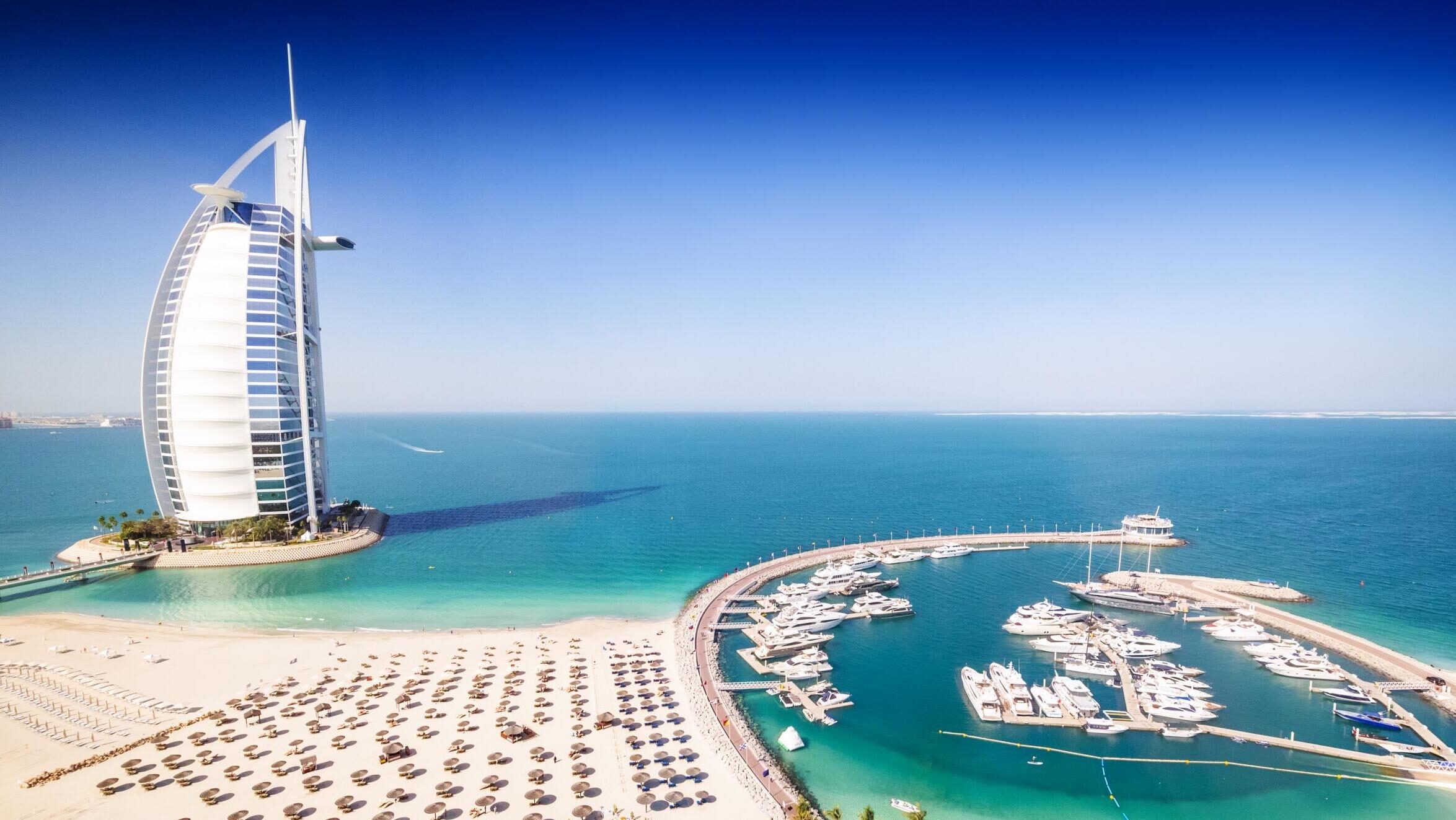
Dozens of them have settled in Dubai or gone there on holiday, praising the emirate’s merits in videos posted on social media, showcasing azure blue skies, crystal-clear swimming pools, and luxurious skyscrapers, suggesting a life of luxury and eternal ease.
Just five days ago, before the strikes began, an article by Euronews, sponsored by the Dubai Chamber of Commerce, gave a voice to these Generation Z influencers “who prefer Dubai’s booming economy to that of Europe.” They praised its ability to stimulate their creative potential thanks to its highly attractive conditions: state-of-the-art infrastructure, stability, a regulatory environment favourable to investment, and highly attractive tax incentives.
They benefit from a very advantageous tax regime, much more attractive than in France: “they pay no tax on their personal income, unlike French tax charges, which allows them to set up businesses without taxation on individual profits,” explains the professional website créer-societe-dubai.fr, which encourages expatriation.
The emirate has set up a “nomad visa” for content creators, allowing them to enjoy the benefits of Dubai while working remotely. As for those who take the plunge and settle there for good, they are now supported by a €35.1 million “Content Creator Support Fund.”
But what are these material benefits worth when the tide turns? Since the air strikes began, panic has set in among this small, highly artificial community, which suddenly remembers that it has French roots. Some influencers have asked the government to intervene immediately to fly them out and repatriate them to France, even though air traffic is currently suspended.
Influencer TiboInShape, who remained in France and is generally considered the most conservative in this galaxy, mocked the panic attacks of his expatriate colleagues: “Influencers in Dubai, we’re better off in France, aren’t we?” he quipped on X on Sunday, March 1st, triggering some indignant responses from annoyed YouTubers, such as fashion influencer Nabilla, who called TiboInShape a “poor man” before deleting her post, and from French expatriates who did not appreciate being singled out. France’s most famous YouTuber posted another message to clarify his thoughts: “The situation remains tragic, of course, and my thoughts are with all those who are there or stuck there. I simply wanted to point out the hypocrisy of certain influencers who make a business out of scamming honest people and are hiding there.”
The ideal world built by influencers is starting to crack. For journalist Emma Férey, who published Emirage in 2024, a novel about the world of influencers in Dubai, the time has come to return to reality. In this environment, which she describes as “under-informed” and “where everything seems easy because you have to sell a dream,” “the bubble is starting to crack.”
For the time being, the French Embassy in the Emirates has no intention of implementing special measures for its influencers, who, like everyone else, remain subject to transport restrictions. The territory of Dubai has closed its airspace until further notice. The embassy urges nationals to “strictly apply safety instructions: stay at home, keep away from windows, doors, and open areas.” That shouldn’t stop them from posting a few reels and stories to elicit sympathy from their fans.