Pedro Sánchez
Yoan VALAT / POOL / AFP
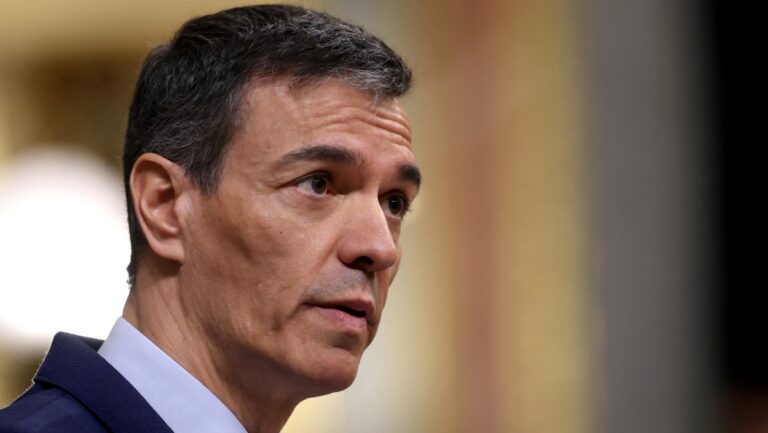
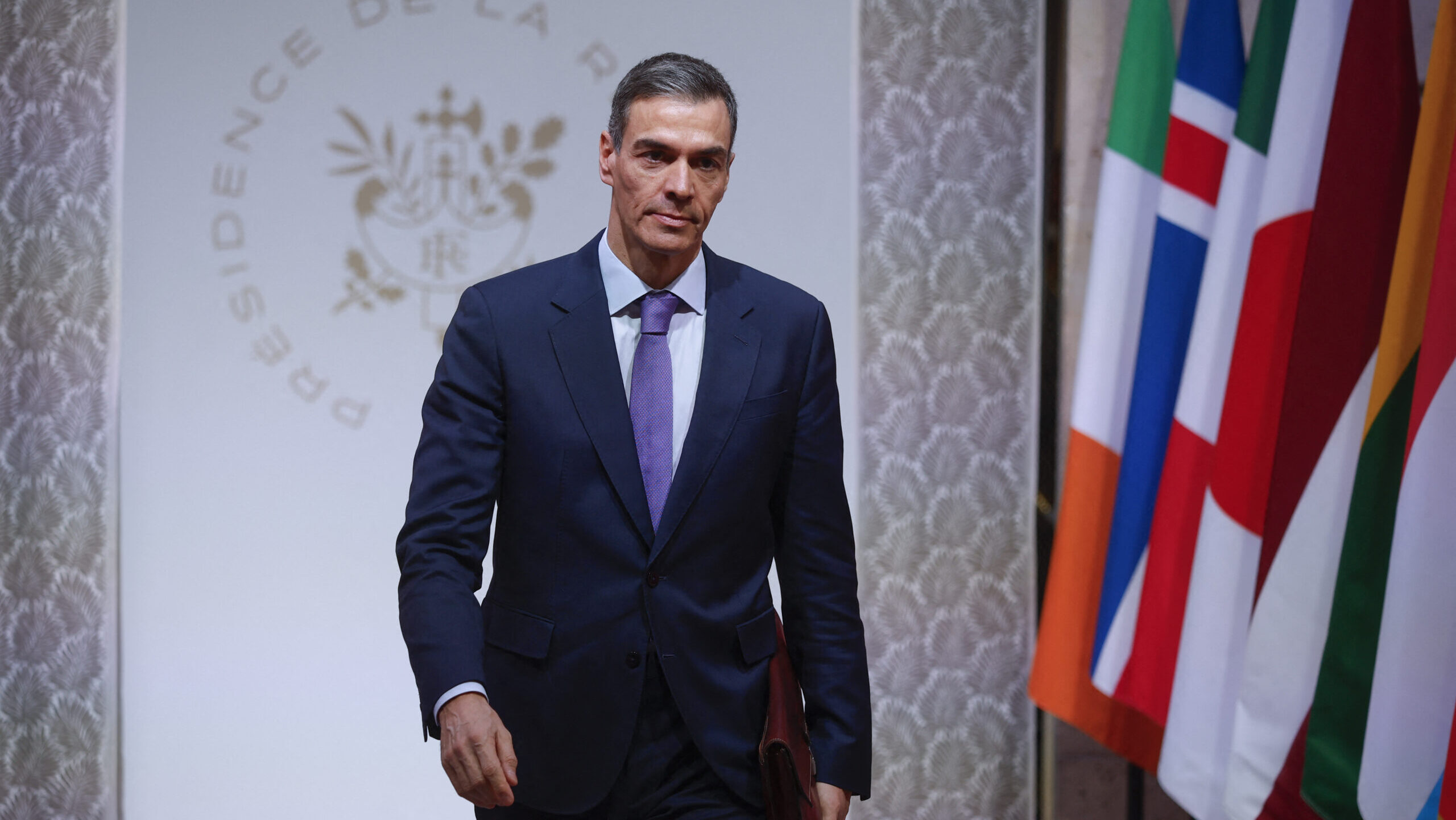
Spain’s prime minister, Pedro Sánchez, raised the prospect of deploying peacekeeping troops to Palestine, even though there is no peace plan or a clear international mandate.
The announcement, framed as part of Spain’s commitment to “multilateralism and global stability,” echoes Sánchez’s repeated offer to send troops to Ukraine—a conflict in which Spain plays no meaningful role in the actual peace talks.
In his speech, Sánchez spoke of a “sensible internationalism” based on more Europe, more multilateralism, and more democracy, while reaffirming a rules-based international order and the United Nations. However, the proposal to send troops to Palestine comes at a time when there is no operational peace plan, no clear signs of an agreement between the parties, and, above all, no concrete international mandate to support such a mission.
The same pattern applies to Ukraine. For months, the Spanish government has expressed its willingness to join a future peacekeeping force, even as real negotiations take place without Spain at the table.
Sánchez has acknowledged that any deployment to Palestine would require parliamentary approval and would depend on progress toward a two-state solution. Even so, the announcement comes before minimum conditions exist on the ground. From a practical standpoint, talking about peacekeeping troops without these elements is, at best, premature.
Spain is already involved in 16 international missions, with nearly 4,000 personnel deployed under the flags of the UN, NATO, and the EU. The largest contingent is in Lebanon, with almost 700 troops. These commitments are compounded by Spain’s role on NATO’s eastern flank, in the Sahel, and in naval operations. Together, they raise legitimate questions over priorities, resources, and what Spain actually gains from further deployments.
The announcement of new troops for Palestine, combined with the repeated offer regarding Ukraine, confirms a foreign policy marked by bold messaging rather than actual strategy. Pedro Sánchez seeks to project Spain as a moral actor committed to global peace, but that ambition clashes with the absence of concrete plans and limited real influence.