Kenzo TRIBOUILLARD / AFP
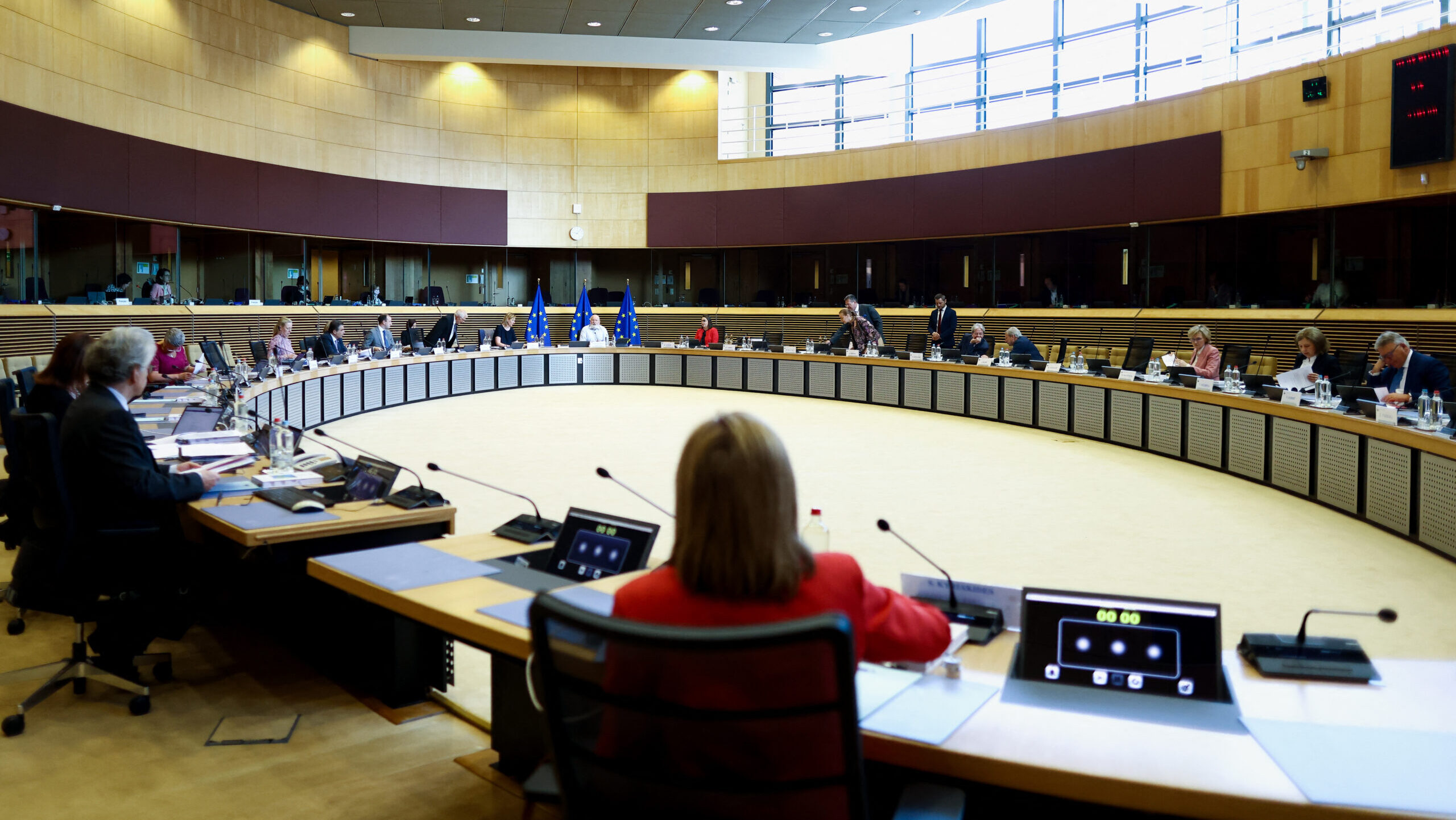
EU lawmakers have opened a six-month inquiry into whether Brussels used taxpayer money to fund lobbying for its own Green Deal, escalating a growing battle over the political influence of environmental NGOs. The probe, launched on Tuesday by a new Scrutiny Working Group in the European Parliament’s budgetary control committee, will examine claims that EU-funded groups were effectively paid by the European Commission to push its climate and nature agenda—allegations the organisations firmly deny.
The investigation follows reports that at least €700,000 of EU taxpayer funds—taken from a billion-euro environmental subsidy—was used to influence the farming debate to the advantage of environmentalists. Environmental organisations, including WWF and the European Environmental Bureau (EEB), were also allegedly paid to lobby for the controversial Nature Restoration Act, which imposes strict regulations on land and water use.
Several green NGOs have condemned the inquiry as “political theatre” designed to undermine their credibility. However, the European Court of Auditors noted that EU funding of NGOs is “too opaque,” raising concerns over transparency and accountability.
Frans Timmermans, former EU executive vice-president and architect of the Green Deal, and Green MEP Virginijus Sinkevičius, were invited to participate in the debate, though Sinkevičius declined, and Timmermans did not respond.
Ondřej Knotek, an MEP for the Patriots for Europe group, argued that the inquiry is long overdue. He accused Brussels of using public money to bolster NGOs, fact-checkers, and media outlets that align with its political priorities, while marginalising those who dissent. For him, the backlash against countries such as Hungary has little to do with “values” and everything to do with their refusal to accept mass migration, cultural dilution, or further federalisation. The inquiry, he suggested, is a necessary first step toward restoring accountability over how EU funds are used and who they ultimately serve.
🗣️ | @KnotekOndrej 🇨🇿: “Harmful conglomerate of Socialists, People's Party, Liberals and Greens use people's money to finance political NGOs and so-called 'independent' fact-checkers and media to hit anybody who disagrees. And these technocrats now attack Hungary because of… pic.twitter.com/b1YiotL5lP
— Patriots for Europe (@PatriotsEP) November 26, 2025