Genya SAVILOV / AFP
Prague’s flagship arms-for-Ukraine initiative is under fire ahead of October’s election, with opposition leader Andrej Babiš calling the shell-supply scheme “rotten” and vowing to scrap it if he returns to power.
Babiš, the billionaire former prime minister whose sovereignist ANO movement is leading the polls, has promised to end the scheme outright if he returns to power. In an interview with Reuters, he said it was “rotten” and “overpriced,” and the Czech Republic needs the money for its own people, not for arms traders.
His ally, ANO deputy chair Karel Havlíček, told Politico the scheme suffers from “inappropriate profit margins, poor quality, and questionable suppliers” and should be handed over to NATO.
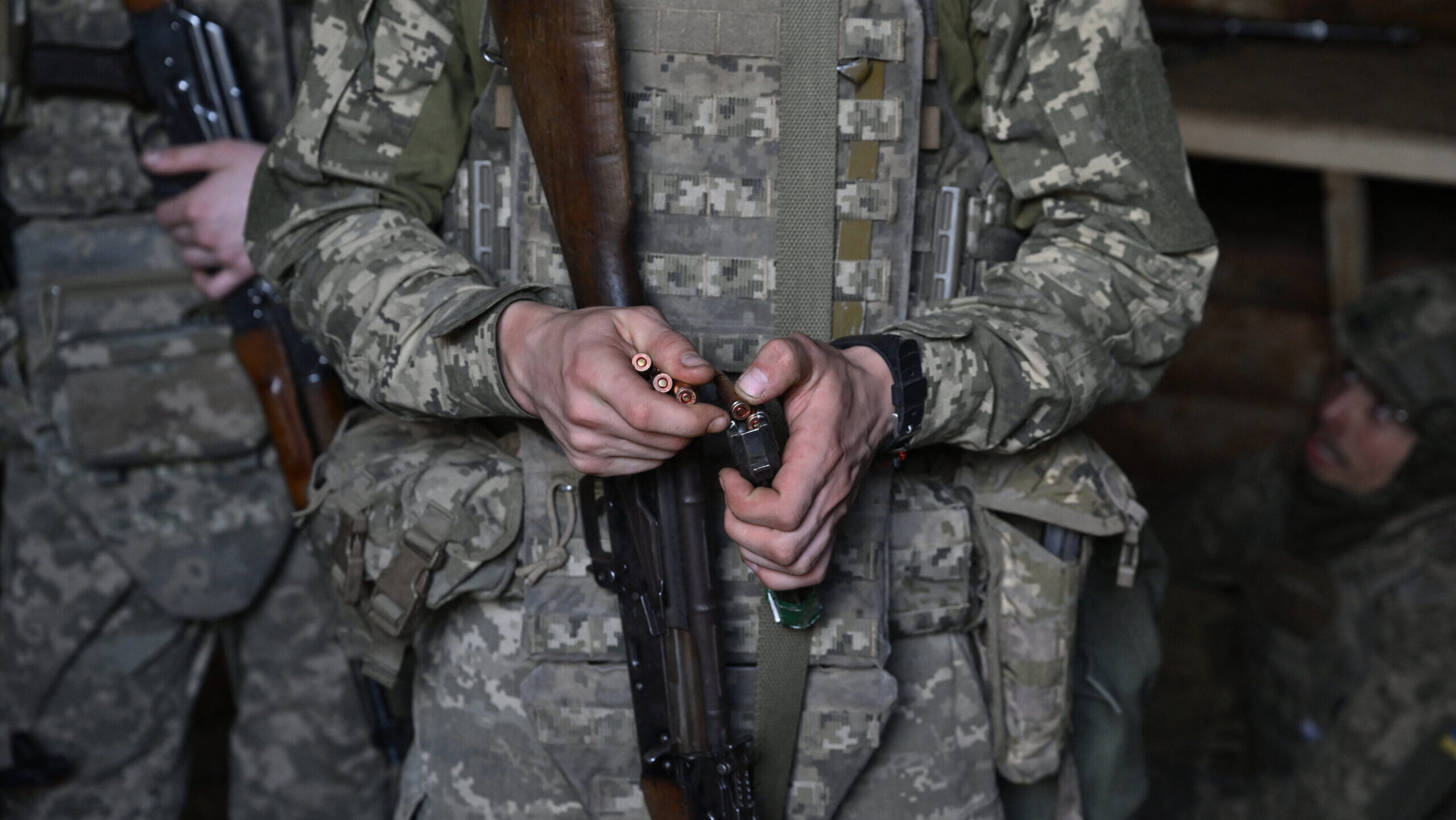
The initiative was launched last year, after delays in American supplies left Ukraine starved of ammunition, and has since become a flagship of Czech foreign policy.
Prague has helped deliver around 1.5 million rounds last year and more than a million so far in 2025, coordinating donations from 14 countries and buying additional shells on the global market. Czech President Petr Pavel has said the effort helped reduce Russia’s artillery advantage from ten-to-one to just two-to-one.
The Europhile government of Prime Minister Petr Fiala insists the project is essential for European security. “Any halt to the initiative would be a real gift to [Russian President Vladimir] Putin,” warned Foreign Minister Jan Lipavský in August. Pavel has also dismissed allegations of corruption as “efforts to undermine the initiative.”
But such arguments have not dispelled public scepticism. A June poll by the Stem agency found that 49% of Czechs believe their country is providing too much aid to Ukraine, compared with 29% who said it was about right, and only 6% who think it is too little.
Analysts say soaring living costs and doubts about Kyiv’s prospects on the battlefield have fuelled discontent. “Since only a few people believe Ukraine will win and even fewer believe there will be a quick resolution, they don’t see the point in sending military aid,” said Jiří Táborský, a Stem analyst.
With ANO polling at around 30–32%, far ahead of Fiala’s centrist-liberal Spolu coalition on 19–20%, Babiš is capitalising on that mood. His party has promised cheaper energy, tax cuts, and stronger pensions, rolling back the austerity measures introduced by the current government.
Babiš, whose party is a member of the Patriots for Europe group in the European Parliament, is intent on defending ordinary Czechs against Brussels’ overreach into areas that threaten Czech sovereignty, such as harmful climate policies and pro-migration policies.
In foreign affairs, he says the Czech Republic will remain in the EU and NATO, but on pragmatic, interest-based terms. He has promised to focus diplomacy on the country’s economic interests, on better ties with neighbours, on a strong Visegrád Group, and to support peace efforts in Ukraine while resisting policies that prolong the conflict.
While the government parties are supported by less than a third of the electorate, ANO is well-positioned to form a government and could enter a coalition with other anti-establishment forces, such as the anti-immigration SPD (polling at 14%), left-wing Stačilo! (9%), or the Motorists (5%).
Czechia, Median poll:
— Europe Elects (@EuropeElects) September 16, 2025
ANO-PfE: 31% (-2)
SPOLU-ECR|EPP: 20%
SPD-ESN: 14%
STAN-EPP: 11%
Stačilo!-NI|S&D: 9% (+4)
Piráti-G/EFA: 7% (-1)
Auto-PfE: 5%
Přísaha-PfE: 2%
+/- vs. 01-31 July 2025
Fieldwork: 01-31 August 2025
Sample size: 1,020
➤ https://t.co/EvT7FIWCzK pic.twitter.com/Tsf2nnFiXm
As Hungarian conservative prime minister Viktor Orbán—an ally of Babiš—recently said, the prospect of ANO returning to power would mean the Visegrád Group of Central European nations would have more of a chance to stop the “crazy ideas” of Brussels and the implementation of a “Ukraine-centered, wartime budget,” that would harm the economies of Europe.