SEBASTIEN BOZON / POOL / AFP
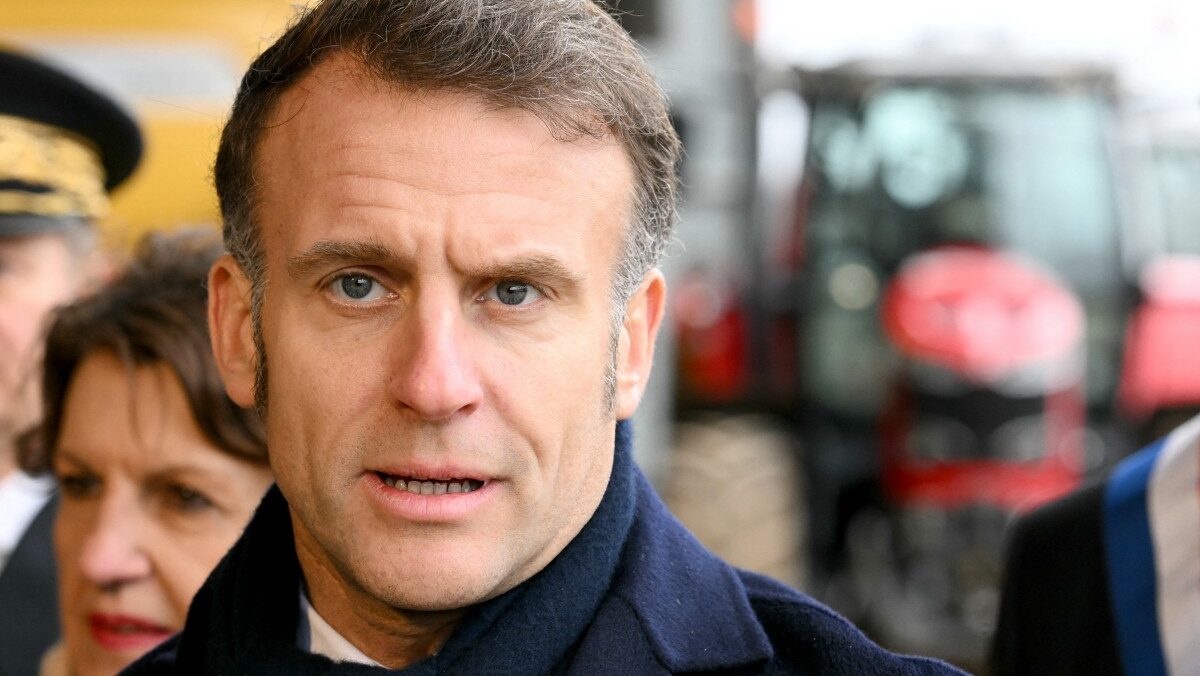
European leaders are beginning to reopen the question of direct talks with Russian president Vladimir Putin, nearly four years after the beginning of his invasion of Ukraine. French president Emmanuel Macron said on Tuesday, February 3rd that preparatory work is underway to restart direct discussions with Moscow.
Macron reiterated a position he first outlined last year, arguing that Europe should not leave the task solely to the United States.
“It is being prepared and so discussions are taking place at a technical level,” he said.
Italian prime minister Giorgia Meloni also echoed the argument, suggesting that appointing a European special envoy could facilitate talks with Russia. “If Europe speaks to only one of the two sides on the field, I fear that the contribution it can make will be limited,” Meloni said.
However, Germany has maintained a cautious stance. A spokesperson for the Federal Foreign Office stated that Berlin opposes reopening diplomatic channels with Putin due to Moscow’s “maximalist demands” and ongoing attacks on Ukrainian energy infrastructure. Chancellor Friedrich Merz said he was “skeptical” about reopening direct engagement.
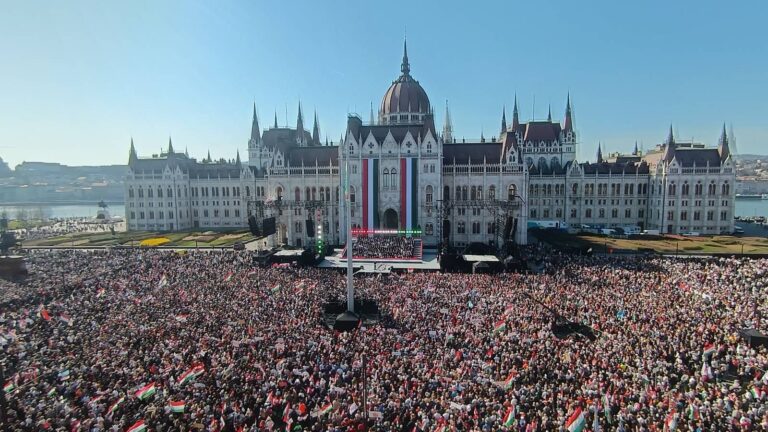
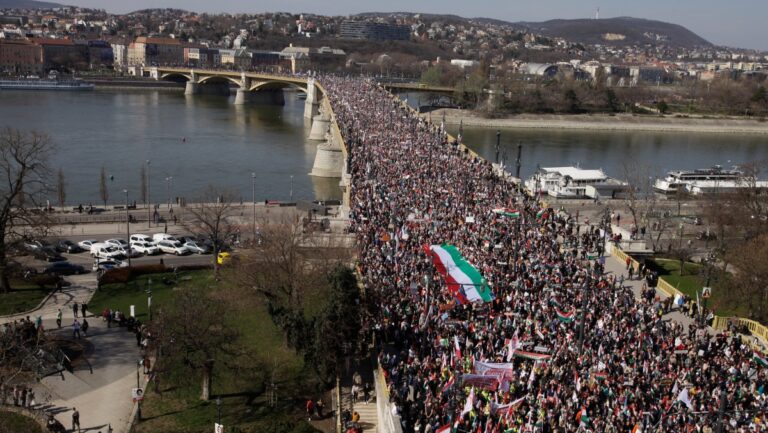
Amid this evolving debate, Hungary’s prime minister Viktor Orbán has long argued for direct negotiations to end the conflict. Since the early stages of the conflict, Orbán has consistently called for negotiations between Russia and Ukraine. In early November, he traveled to Washington to discuss pathways to peace with U.S. president Donald Trump, with Budapest presenting itself as a potential venue for future negotiations. Orbán’s position contrasts with that of most EU leaders, many of whom have only recently begun revisiting the idea of direct dialogue following renewed U.S.-led peace initiatives.