After having a pop at Commission President Ursula von der Leyen’s negotiation ‘skills’ on Wednesday, Emmanuel Macron suggested the rushed EU-U.S. trade deal could still be improved. It’s more likely, however, that Europe still has further to fall.
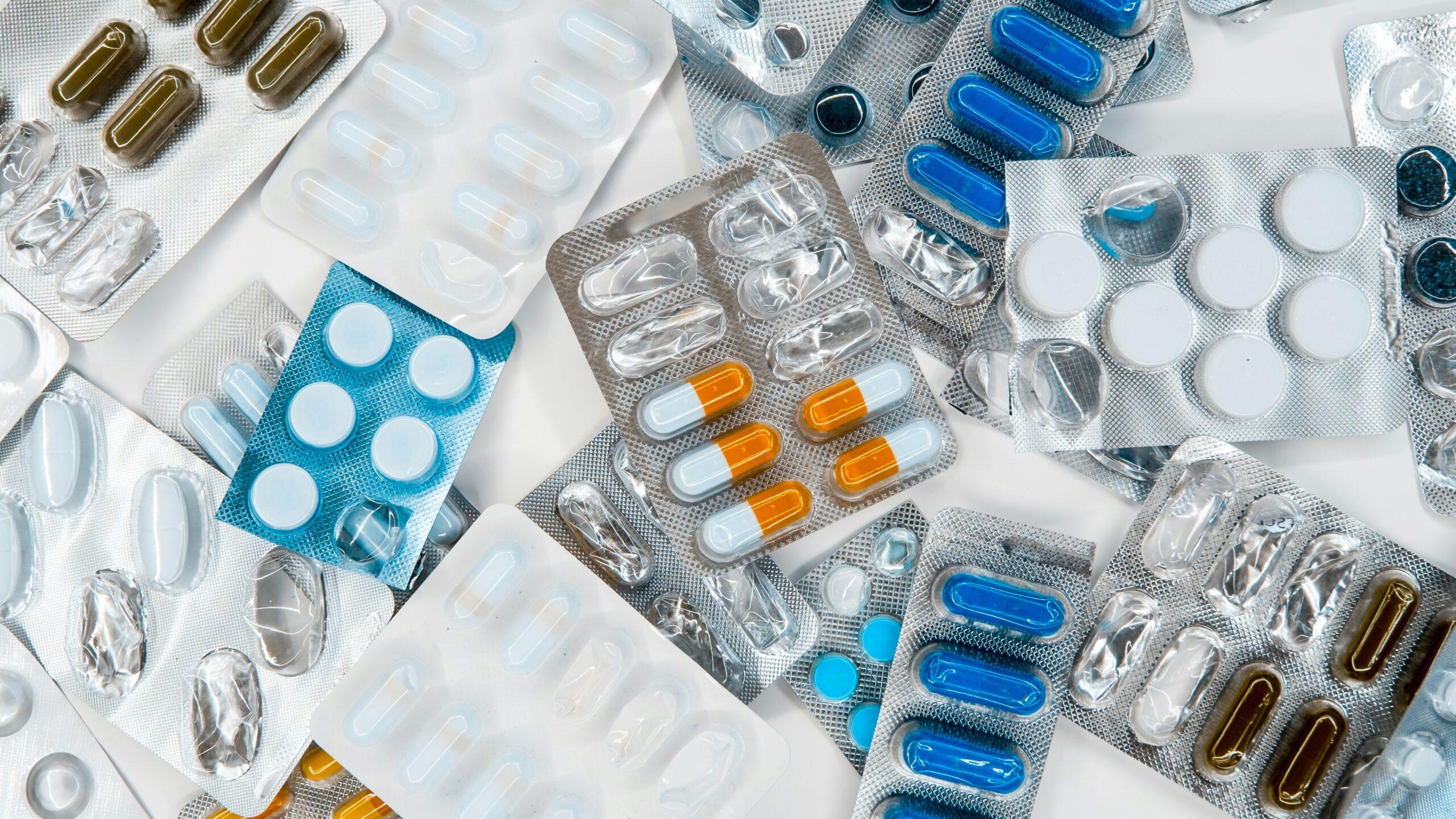
Brussels currently appears to believe that pharmaceutical products are—or, at least, could be—excluded from duties. But Washington has other ideas, saying in a fact sheet on Monday:
The European Union will pay the United States a tariff rate of 15%, including on autos and auto parts, pharmaceuticals, and semiconductors. (Emphasis added)
The European Federation of Pharmaceutical Industries (EFPIA), which represents drug companies across the bloc, later complained that the implications of the deal on this sector were “uncertain.” It described tariffs on medicines as “a blunt instrument” that would damage supply lines and research investments, and “ultimately harm patient access to medicines on both sides of the Atlantic.”
Pharmaceutical products are Europe’s largest export to America, and some reports say the industry is actually lucky not to have been slapped with bigger tariffs on national security grounds. They add that even this ‘lower’ duties rate could cost drugmakers billions of euros.
Reuters suggested the deal, which has been heavily criticised by leaders across Europe, could cost the pharmaceutical industry between €11.36 billion and €16.6 billion, most likely resultinheavyg in price increases for consumers.
The situation could become all the more confusing if Europe decides to take further action against Israel, since Donald Trump said on Thursday that Canada’s plan to recognise a Palestinian state puts America’s trade deal with the country at risk.