SAUL LOEB / AFP
European Commission president Ursula von der Leyen has signed up to finance the reconstruction of Gaza—even though the European Union played no role in the peace talks that put an end to the latest Middle East war.
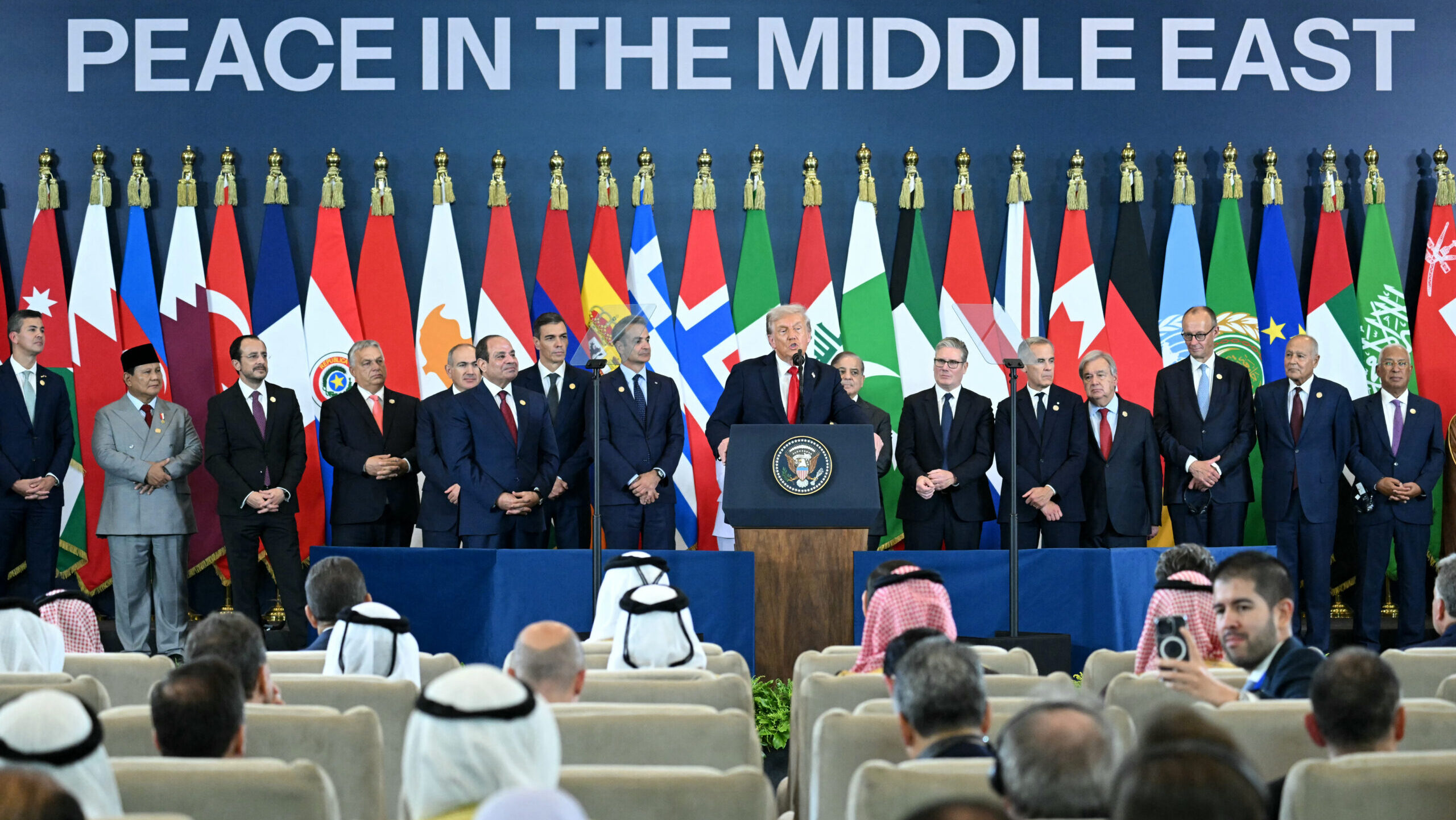
The move repeats a now-familiar pattern. As in Ukraine, Brussels finds itself footing the bill for rebuilding a territory devastated by conflict, while others make the political decisions. This time, the peace deal was brokered by the United States, Egypt, Qatar, and Turkey, with the EU absent from the negotiating table.
In an announcement on Monday, von der Leyen called the agreement “a historic milestone” and said the bloc “will be an active force within the Palestinian Donor Group,” supporting governance reforms and the rebuilding of infrastructure in Gaza.
The return of the Israeli hostages is a moment of pure joy for those families.
— Ursula von der Leyen (@vonderleyen) October 13, 2025
And a moment of relief for the entire world.
It means that a page can be turned. A new chapter can begin.
Europe fully supports the peace plan brokered by the United States, Qatar, Egypt, and…
According to EU officials, the Commission is preparing a financial package to contribute to Gaza’s post-war recovery, expected to be coordinated with the United Nations and international donors. Exact figures have not been disclosed, but the plan follows the same logic as Ukraine’s reconstruction, where the EU pledged massive long-term funding—more than €1 trillion—without a comparable say in political outcomes.
The parallel has not gone unnoticed in Brussels. In both cases, the European Union has assumed the role of main paymaster while remaining on the margins of diplomacy and security decisions. Diplomats acknowledge that Europe’s influence increasingly depends on its checkbook, not its voice—a reality that leaves the bloc financing the peace others create.
EU foreign policy chief Kaja Kallas hailed the truce as “a day of hope in the Middle East,” and called for international coordination to ensure lasting stability. Yet even she conceded that the EU’s contribution will be largely logistical and financial. The bloc’s border assistance mission in Rafah, suspended since 2007, is expected to resume this week to monitor the Gaza–Egypt crossing.
The decision to allocate new funds for Gaza comes as member states grow uneasy about the EU’s growing foreign spending commitments—from Ukraine’s reconstruction to migration deals in North Africa. While some governments defend these efforts as investments in regional stability, others warn that Europe is writing ever larger cheques without a coherent foreign policy to match.
For now, Brussels is once again buying international relevance with public money, presenting itself as an indispensable humanitarian actor while its diplomatic weight continues to shrink. Just as in Ukraine, Europe pays—and others decide.