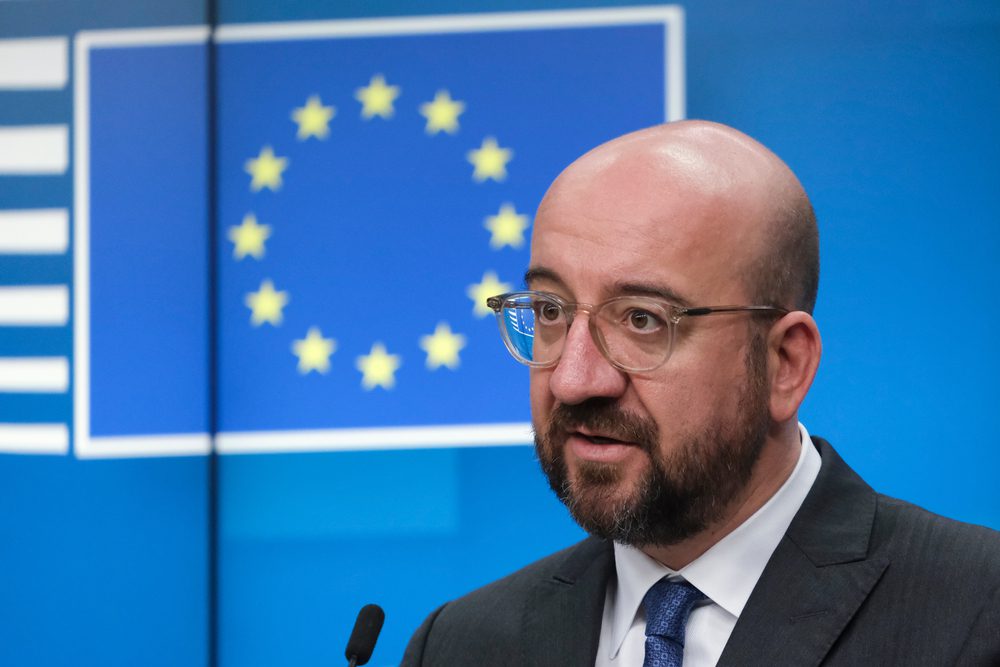
Charles Michel, the president of the European Council—the EU body that defines the general direction and priorities of the bloc—said that Qatargate, the recent corruption scandal that has shaken the European Parliament, has been “damaging” to the bloc’s credibility, lamenting that the affair is making it increasingly difficult for the Union to handle the competing crises that it presently faces.
Michel, during an interview with Politico published on Wednesday, December 21st, said that the bloc’s credibility has taken a massive hit as a result of the corruption scandal which has so far seen former European Parliament Vice President Eva Kaili arrested and imprisoned on charges of participating in money laundering, a criminal enterprise, and corruption.
The top EU official says that the revelation that Kaili, a left-wing Greek MEP, allegedly took part in illegal lobbying on behalf of Qatar’s autocratic regime in exchange for enormous sums of money and gifts has been “dramatic and damaging for the credibility of the European Union,” adding that the affair was “making it even more difficult for [the EU] to focus on the economic and energy crises that impact the lives of European citizens right now.”
Michel, the former prime minister of Belgium, emphasized that the bloc must take firm, punitive action against corruption to prevent similar scandals taking place in the future.
“We first need to learn lessons from this and come up with a package of measures to avoid such things—to prevent corruption in the future,” the European Council president said.
As The European Conservative previously reported, investigators have allegedly targeted over 60 members of the European Parliament, most of whom are members of the Progressive Alliance of Socialists and Democrats (S&D)—the second largest grouping in the lawmaking body, which wields enormous influence over the bloc.