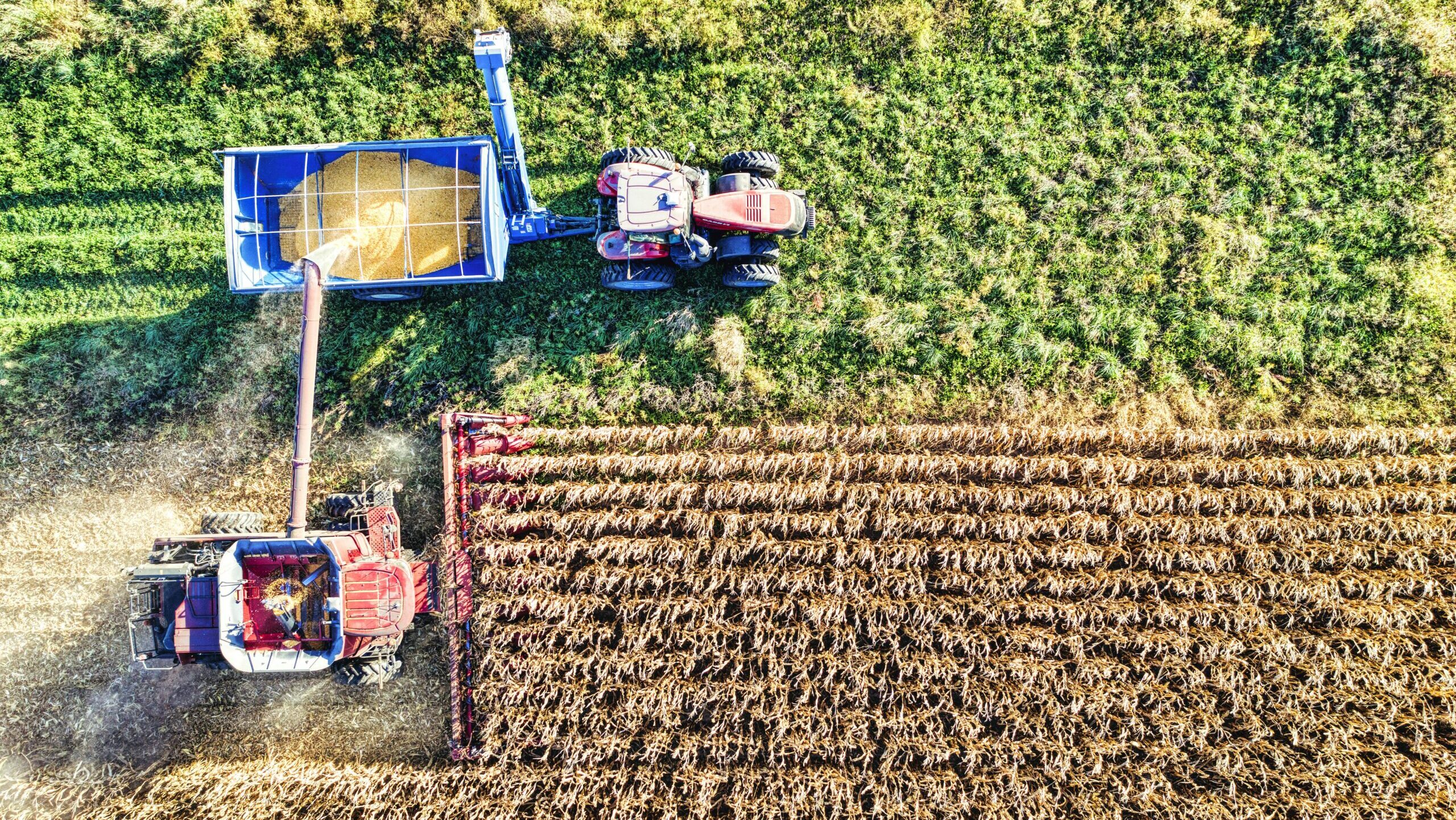
Photo by Tom Fisk
As Brussels prepares its twentieth package of sanctions against Russia, officials are weighing a move that could hit European farmers hard: a potential ban on Russian fertilizers.
The proposal, backed by several governments aligned closely with Kyiv, risks opening a new political front at home—one that could drive up food prices and reignite rural unrest.
According to sources familiar with the discussions, a full ban could add around €4 billion to Europe’s fertilizer bill, push producer costs up by as much as €3 billion, and add roughly 1.5 percentage points to inflation. Those increases would feed directly into farming costs — and ultimately onto supermarket shelves.
In recent days, however, the approach appears to have shifted. Rather than imposing an outright ban, the Commission is now considering restrictions on key chemical inputs and maintaining tight limits on Russian gas, both of which are essential to producing nitrogen-based fertilizers.
Instead of taking the political hit of a direct fertilizer ban, the Commission now appears to be choosing a more indirect route—making production more expensive by restricting key raw materials.
At the same time, Brussels is pushing part of the burden onto national governments, giving them room to handle the fallout and design compensation schemes. In practice, that shifts pressure away from EU officials and onto national capitals.
What is clear is that Europe’s farming sector is already under strain. Fertilizer prices are about 20% higher than a year ago, and urea now costs twice as much as it did in 2020.
Farmers are also dealing with earlier tariffs, trade barriers, and higher energy prices following the cut-off of Russian gas—a move that has weakened Europe’s own fertilizer industry and reduced output.
Removing Russia—one of the world’s largest suppliers—from the European market would not happen without consequences. China controls roughly 30% of global phosphate supply and about a quarter of Europe’s fertilizer imports. Beijing has already shown it is willing to curb exports to protect its domestic market, sharply reducing nitrogen shipments in 2024 and tightening controls on phosphates and urea in 2025.
If Russian supply falls further, Europe could become even more reliant on China in a sector critical to food production. A policy intended to weaken Moscow could end up strengthening Beijing’s leverage instead.
Earlier sanctions on Russia and Belarus have already cut global fertilizer supply by more than 16 million tonnes, putting upward pressure on prices.
The World Economic Forum said in its 2023 Global Risks Report that a food supply crisis—driven in part by the delayed impact of higher fertilizer costs—ranks among the most serious global threats.
The politics are hard to ignore. Recent farmer protests, fueled by rising costs and rules such as the Carbon Border Adjustment Mechanism (CBAM), have shown how quickly frustration can spill onto the streets.