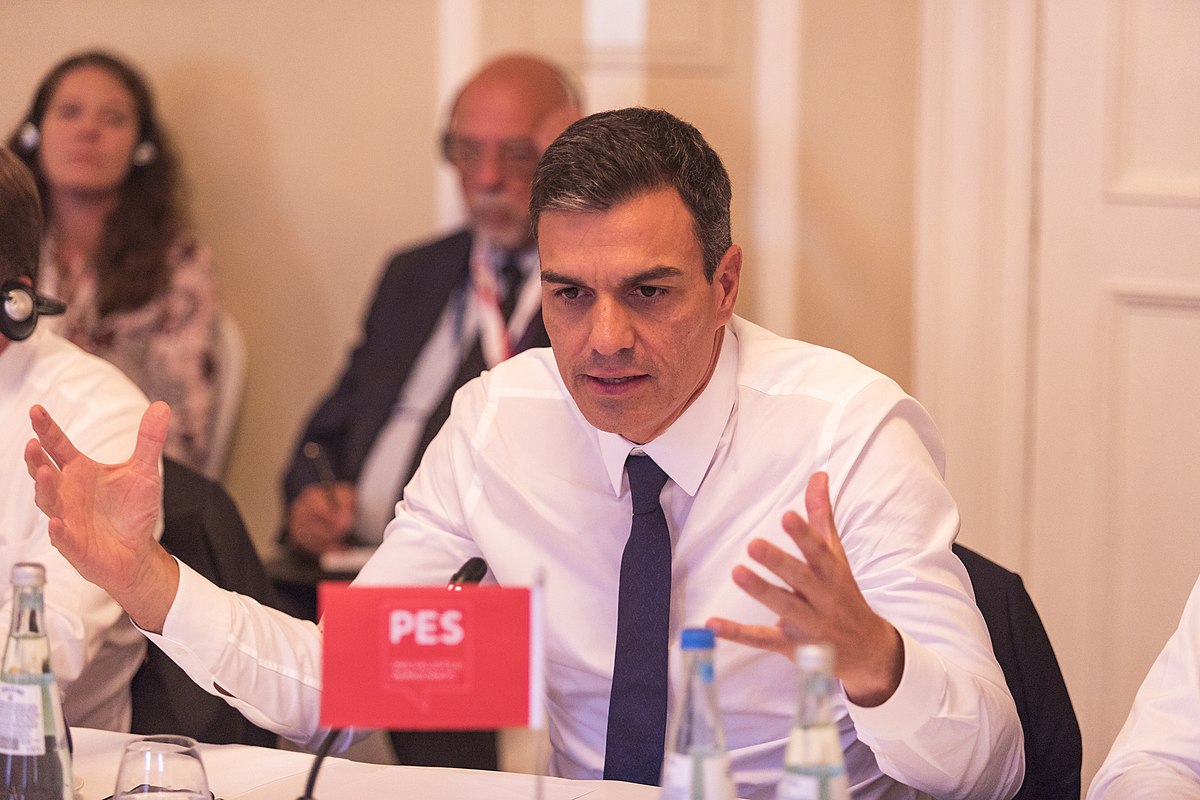
Pedro Sánchez at the PES preparatory meeting ahead of the Salzburg informal EU council.
At the time of writing, elections in Extremadura are seeing a drop in turnout—with Spanish prime minister Pedro Sánchez under growing pressure from a disenchanted electorate.
Exit polling at 2 p.m. CET indicates that turnout has dropped by six points, potentially undermining the local leadership led by the conservative Partido Popular (PP), who were forced to call the election and aimed to govern again—without relying on VOX for support.
Around 860,000 Extremadurans were expected to turn out to the polls today, Sunday December 21st, in an unprecedented—the first time the region has held snap elections separate from the rest of Spain—regional election, initiated by María Guardiola.
Polling stations opened at 9 a.m. across the region and around 860,000 eligible voters were choosing the 65 members of the Extremadura Assembly. Opinion polls suggest the PP will emerge as the largest party. However, it is expected to fall short of the absolute majority needed to govern alone, making a renewed pact with the populists right-wing VOX the most likely outcome.
VOX itself is projected to substantially increase its representation, strengthening its role as kingmaker in the regional parliament. Polling indicates that VOX will secure around 12% of the votes, winning between eight and nine seats. The left-wing Unidas por Extremadura is forecast to make modest gains.
Turnout appears to be falling most sharply in the Socialist Party’s (PSOE) historic stronghold Badajoz within Extremadura. This follows the PP’s snap vote—called after the region’s budget failed—piles further misery on Sánchez and his party amid corruption and misconduct allegations.
The PP’s search for an absolute majority has got leader Alberto Núñez Feijóo declaring that the ballot will send a “very clear message” to Pedro Sánchez.
The campaign has taken on an unusual national profile, with senior party leaders from across Spain visiting the region. The election is widely seen as the first in a series of regional contests that will take place in Aragón, Castilla y León and possibly Andalusia in the coming months, potentially setting the tone for Spanish politics up to 2027.
Uncertainties over turnout reflect a range of factors, with voting held close to Christmas and in poor weather, including heavy rain. Results are expected later on the evening of Sunday, December 21st.
Both opposition parties on the right hope a strong result will weaken Sánchez, with further pending elections, including Aragon (February 8th, 2026), Castile and León (likely in time for an absolute March 15th deadline) and those in Andalusia (June 2026).