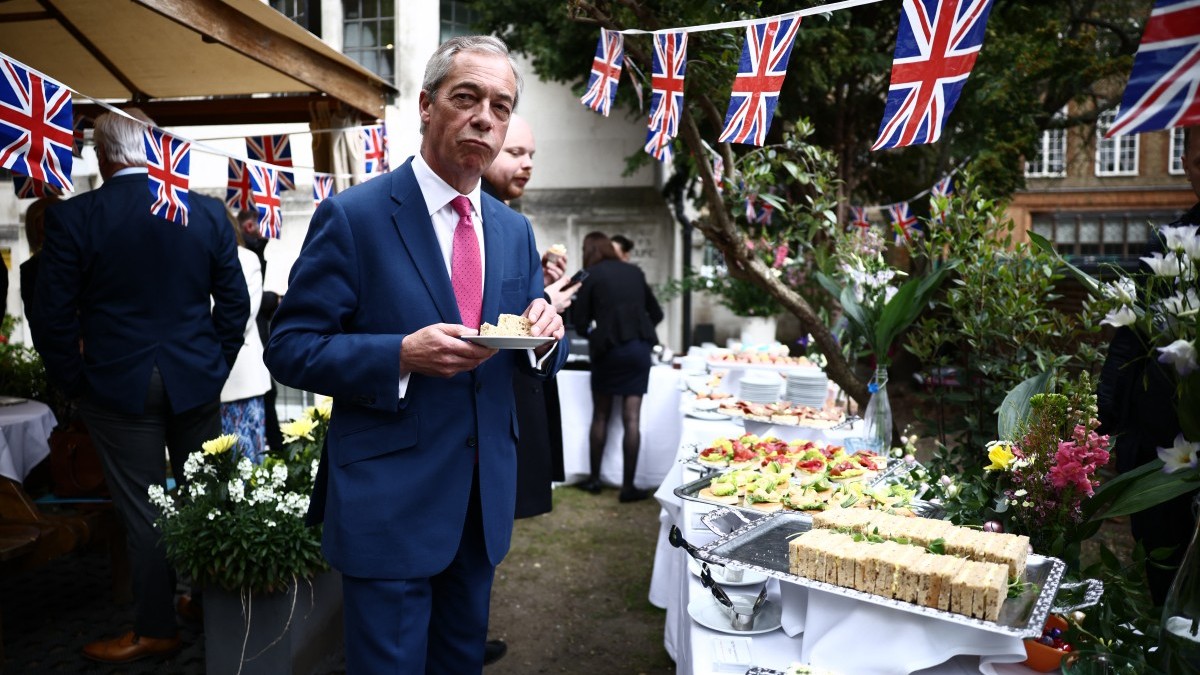
Reform UK leader Nigel Farage seen following a party press conference in central London on April 2, 2026
HENRY NICHOLLS / AFP
Nigel Farage has pledged to block visas for nationals of countries seeking slavery reparations from the UK.
The proposal, confirmed by Reform UK’s home affairs spokesman Zia Yusuf, would deny entry to citizens of states demanding payments—estimated by some advocates at up to £18 trillion—if the party were to form a government.
Yusuf said a “growing number of countries” were calling for reparations while overlooking Britain’s role in abolishing the slave trade. He added that successive UK governments had already granted millions of visas and billions in foreign aid to those same countries over recent decades.
Nigeria and Jamaica are among the states supporting calls for compensation, alongside others, including Kenya and Barbados. A bloc of 55 countries within the African Union has pushed for what it describes as “reparatory justice,” including financial compensation and formal apologies from former colonial powers.
The issue has gained renewed attention following a recent UN resolution describing slavery as the “gravest crime against humanity” and calling for discussions on reparations. The UK was among 52 countries that abstained from the vote.
Farage has rejected the initiative, arguing that international bodies such as the UN have no authority to compel Britain to make such payments, and linking the issue to broader concerns about national sovereignty.
The debate has exposed divisions within British politics. Prime Minister Keir Starmer has ruled out both reparations and a formal apology, but some Labour MPs have backed engaging in discussions. Bell Ribeiro-Addy has called for dialogue on the “enduring legacies” of slavery and colonialism, while former minister Dawn Butler has pointed to compensation paid to slave owners in the 19th century as a precedent.
The UK abolished slavery in 1833 and later deployed the Royal Navy’s West Africa Squadron to suppress the transatlantic slave trade, freeing tens of thousands of enslaved Africans.