Robert Fico
Alex Brandon / POOL / AFP
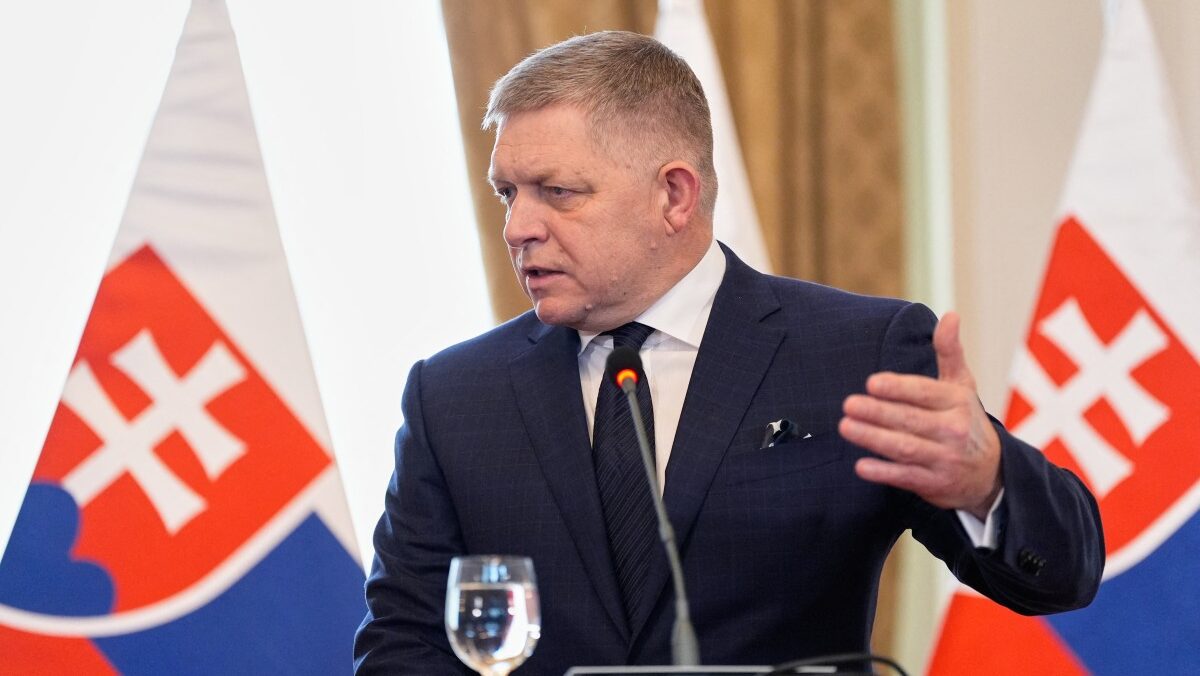
Slovak prime minister Robert Fico has accused the European Commission of failing to protect EU energy security, as disruptions to Russian oil supplies via Ukraine continue to hit Central Europe.
The criticism follows Ukraine’s claim that it damaged 30% of crude oil storage facilities at Russia’s Baltic port of Ust-Luga, a key export terminal.
Fico said the issue extends beyond that attack, arguing that Brussels has for months failed to respond to the deterioration of energy routes supplying Hungary and Slovakia.
“We are opening the eyes of the European Commission, which is reaching a world record in incompetence and ideological alienation,” he said, adding that the EU is “increasingly tolerating Ukrainian attacks on energy infrastructure” while continuing to support Kyiv politically.
At the centre of the dispute is the Druzhba pipeline, which transports Russian crude to Hungary and Slovakia via Ukraine. Supplies were interrupted at the end of January after Russian strikes damaged infrastructure inside Ukraine.
Bratislava and Budapest say repairs could already have been completed and accuse Kyiv of delaying the restart for political reasons. Ukraine denies this, stating the pipeline remains technically damaged and unsafe.
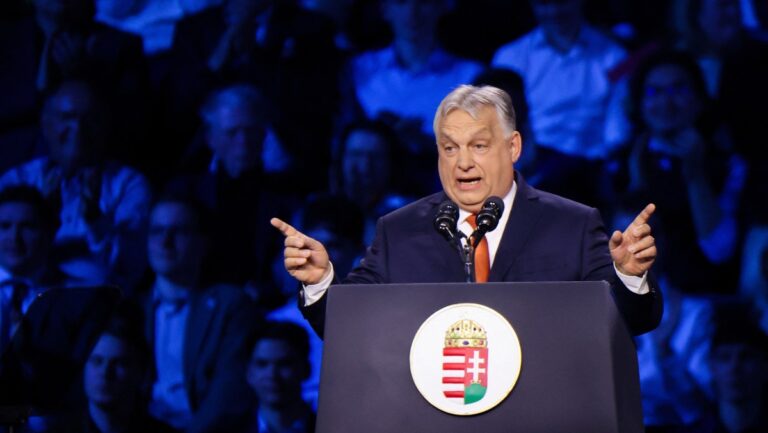
Fico and Hungarian Prime Minister Viktor Orbán have also argued that Ukraine is using oil transit as leverage to pressure both countries over EU accession and further aid. Fico has described this as “political blackmail.”
Hungary and Slovakia remain heavily dependent on Russian oil delivered through Druzhba under exemptions granted when the EU imposed its embargo. The Czech Republic has also faced indirect supply tensions.
The European Commission rejects Fico’s claims, saying the disruption is the result of Russian attacks, not Ukrainian policy. It also stresses that Ukraine is not an EU member and that its role is limited to mediation, technical monitoring, and financial support for repairs.
Bratislava and Budapest maintain that the EU applies strict rules to member states on sanctions and climate policy, but has limited influence when supply disruptions affect them directly.