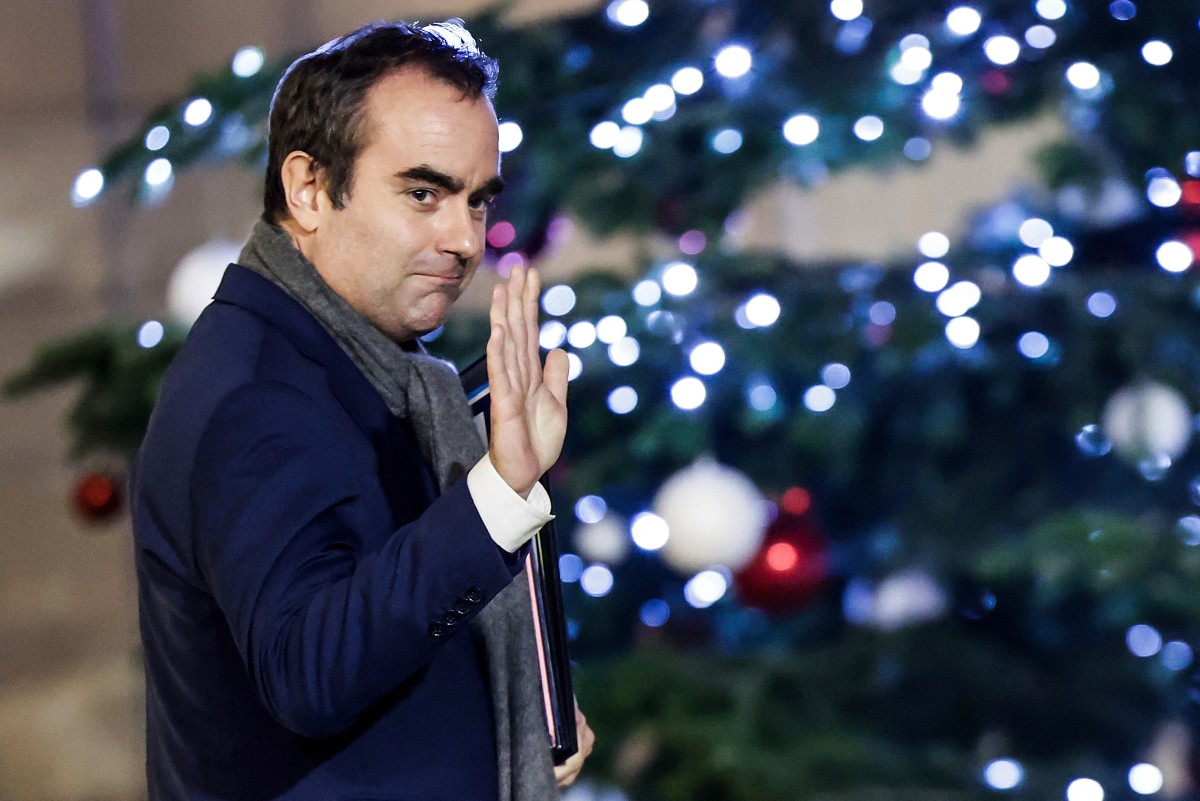
France’s Prime Minister Sébastien Lecornu gestures as he leaves at the end of a cabinet meeting focused on the budget bill, at the Elysee Palace, in Paris, on December 22, 2025.
STEPHANE DE SAKUTIN/AFP
France will end 2025 without politicians having reached an agreement on the budget for the coming year. On Tuesday, December 23rd, recognising the impasse, MPs were set to vote on a special finance bill to deal with the most pressing issues—in the hope that after New Year’s Eve, an agreement can finally be reached. President Emmanuel Macron is struggling to hide his annoyance.
Although the 2026 social security budget was eventually adopted by a narrow majority, parliamentarians have still not managed to agree on the state budget, which has prevented the enactment of a text before the December 31st deadline set by the constitution.
This is the second time since Macron was re-elected President of the Republic that France has been forced to resort to the subterfuge of a ‘special law.’ Last year, MPs had already been forced to resort to this measure after the ousting of Prime Minister Michel Barnier in early December. It ensured the continuity of the state until the adoption of the 2025 budget in mid-February.
The ‘special law’ is in fact a renewal of the previous year’s budget, almost identical, until an agreement is reached. Nothing can be changed in terms of expenditure, which must be limited to what was decided for 2025. No new revenue can be added either, which allows the state to collect taxes and continue to pay state employees. There is no risk of a ‘shutdown’ in France, given the way French public finances work and the emergency levers available to the government to avoid such a situation.
One of the main consequences of the special law is the freezing of military spending, which was set to increase significantly in 2026, with a planned increase of €6.7 billion. Environmentalists are alarmed by the blocking of the MaPrimeRenov energy renovation incentive scheme, which is also blocked: no new grant applications can be submitted.
Since taking office, Prime Minister Sébastien Lecornu has stated that he wants to avoid strong-arm tactics and the use of Article 49.3 of the Constitution to pass the budget without a vote by MPs. Although he says he has favoured consultation, his approach has so far failed to produce any concrete results, angering his opponents.
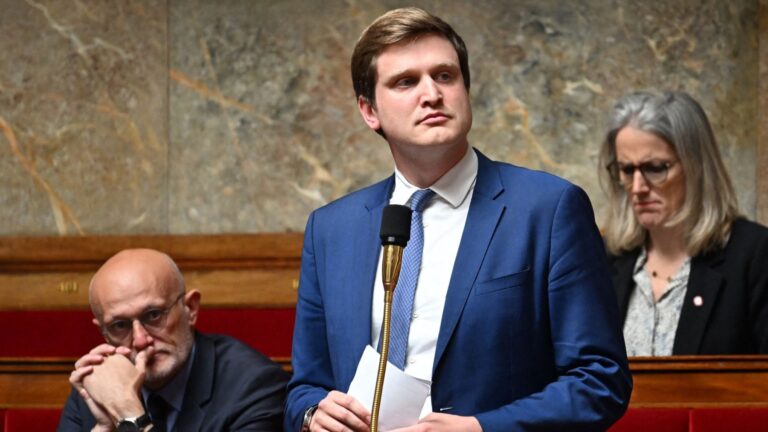
La France Insoumise (LFI) MP and Finance Committee Chairman Eric Coquerel points the finger at the government’s attitude, which “places the primary responsibility on parliamentarians” for the lack of a compromise. During the debates on the special law in the National Assembly, he declared:
The supposed renunciation of 49.3 serves to shift the blame onto the National Assembly. If this government falls, the country will look to the Elysée.
Marine Le Pen also blames Macron for the situation, pointing out that public debt has swollen by another €66 billion over the last three months, reaching 117.4% of GDP, a new historic high, criticizing the next budget as
…the result of the pseudo ‘experts’ who reject the RN’s solutions: the debt is out of control. Mr Macron will make us pay for this debt through tax increases.
The special law was passed unanimously at the end of the day. PM Lecornu is due to speak after the vote—to report on his ‘roadmap’ and explain the next round of measures facing France.