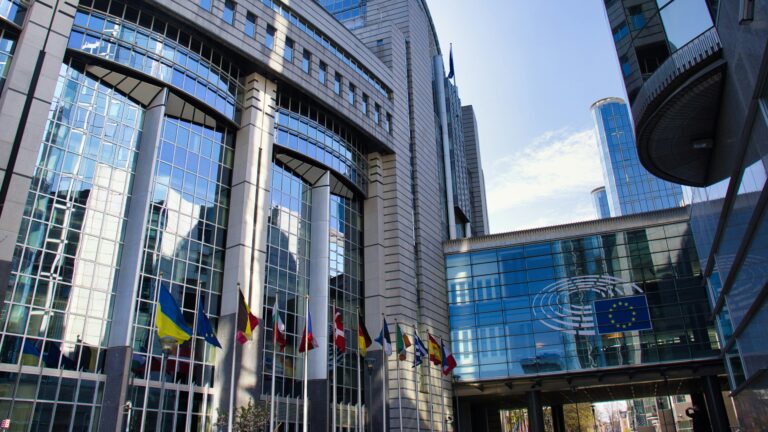
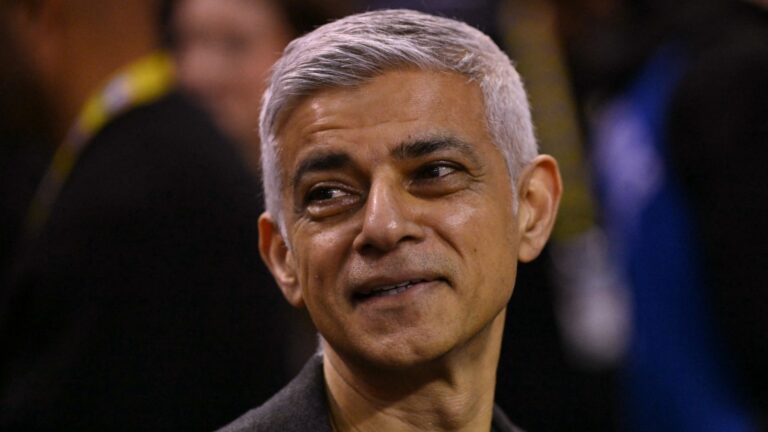
European Commission President Ursula Von der Leyen (R) and Belgium’s Prime Minister Bart de Wever arrive for a meeting at the EU headquarters in Brussels on November 14, 2025.
Nicolas TUCAT / AFP
During a Friday evening meeting, European Commission President Ursula von der Leyen and German Chancellor Friedrich Merz urged Belgian Prime Minister Bart De Wever to drop his country’s veto on converting €190 billion in frozen Russian central bank assets—most of them held at Euroclear in Brussels—into a long-term loan for Ukraine. De Wever refused, leaving the plan stalled just two weeks before EU government leaders are set to meet for a key summit. Even so, von der Leyen called the talks “constructive,” suggesting the debate isn’t over yet.
Met @bundeskanzler Friedrich Merz and Belgian Prime Minister @Bart_DeWever to exchange views on the situation in Ukraine and the frozen Russian assets.
— Ursula von der Leyen (@vonderleyen) December 5, 2025
We agreed that time is of the essence given the current geopolitical situation.
We noted that financial support for Ukraine…
The European Union plans under discussion are to convert the frozen assets of the Russian Central Bank into a zero-interest loan to finance Ukraine’s military and budgetary needs in the coming years. Kyiv would only be required to repay the loan after Russia ends the war and pays reparations for the damage caused—an outcome that currently appears highly unlikely.
Together with German PM Friedrich Merz, von der Leyen met with the Belgian leader on Friday to gain consensus for the plan in preparation for the European Council Summit on December 18-19. De Wever has opposed the move from the outset, saying it presents an unacceptable financial risk for Brussels—one that could effectively bankrupt the country—and also warned it would undermine the ongoing U.S. peace efforts.
“If we take Putin’s money, we use it, we’re all going to be responsible if it goes wrong,” De Wever told other European heads of government at the October European Political Community summit in Copenhagen.
De Wever emphasized in a speech to the Belgian parliament this week that he will only back the confiscation plan if the financial risk is shared across the European Union and said current Commission proposals fall short of Belgium’s minimum demands. He also rejected suggestions that Belgium is blocking the initiative, insisting the government has worked “constructively” and submitted alternative options. “We are loyal Europeans, and we stand loyal to Ukraine,” he said.
In Parliament, I responded to questions about our country’s position regarding Euroclear. Many false insinuations are being spread to put pressure on us, but our conditions are reasonable and constructive. We are not going to burden ourselves with irresponsible risks. pic.twitter.com/W39Koiy9Kf
— Bart De Wever (@Bart_DeWever) December 4, 2025
But De Wever is not alone in having qualms about the historically unprecedented plan.
The Brussels-based financial infrastructure company Euroclear on Friday also strongly criticized the EU’s plan. Euroclear—which acts as a global central securities depository and clearinghouse for bond, equity, and fund transactions—holds the around €185 billion in Russian funds under discussion.
A representative of the company told Euronews that
While we support the objective to support Ukraine, this initiative could have far-reaching legal, financial, and reputational risks for Euroclear, Belgium, the European Union and its financial markets.
The company’s primary concern is liquidity risk: If sanctions were lifted unexpectedly and EU member states could not deliver the guarantee, Euroclear may not be able to abide by immediate repayment demands from the Russian Central Bank.
But the spokesman also warned that a move like the one considered by the EU could lead foreign investors to leave out of fear of future similar unilateral actions by the bloc. Banking federation Febelfin agreed, stating that the move could undermine trust in European financial markets and trigger a major capital flight.
Peter Timmermans, CEO of the Federation of Belgian Enterprises, on Friday told EU heads of government they should ask themselves, “What if Euroclear were based in my capital? Am I then willing to take the risk they are asking of Belgium now?”
Moscow has condemned the plan, which it views as illegal theft of sovereign funds. Russian officials have escalated warnings of retaliation, including potential legal battles, asset seizures in response, and even framing the move as justification for war. On Friday, Russian former President Dmitry Medvedev said on Telegram that “it may well be classified as a special case of casus belli under international law, with all the relevant implications for Brussels and individual EU countries.”