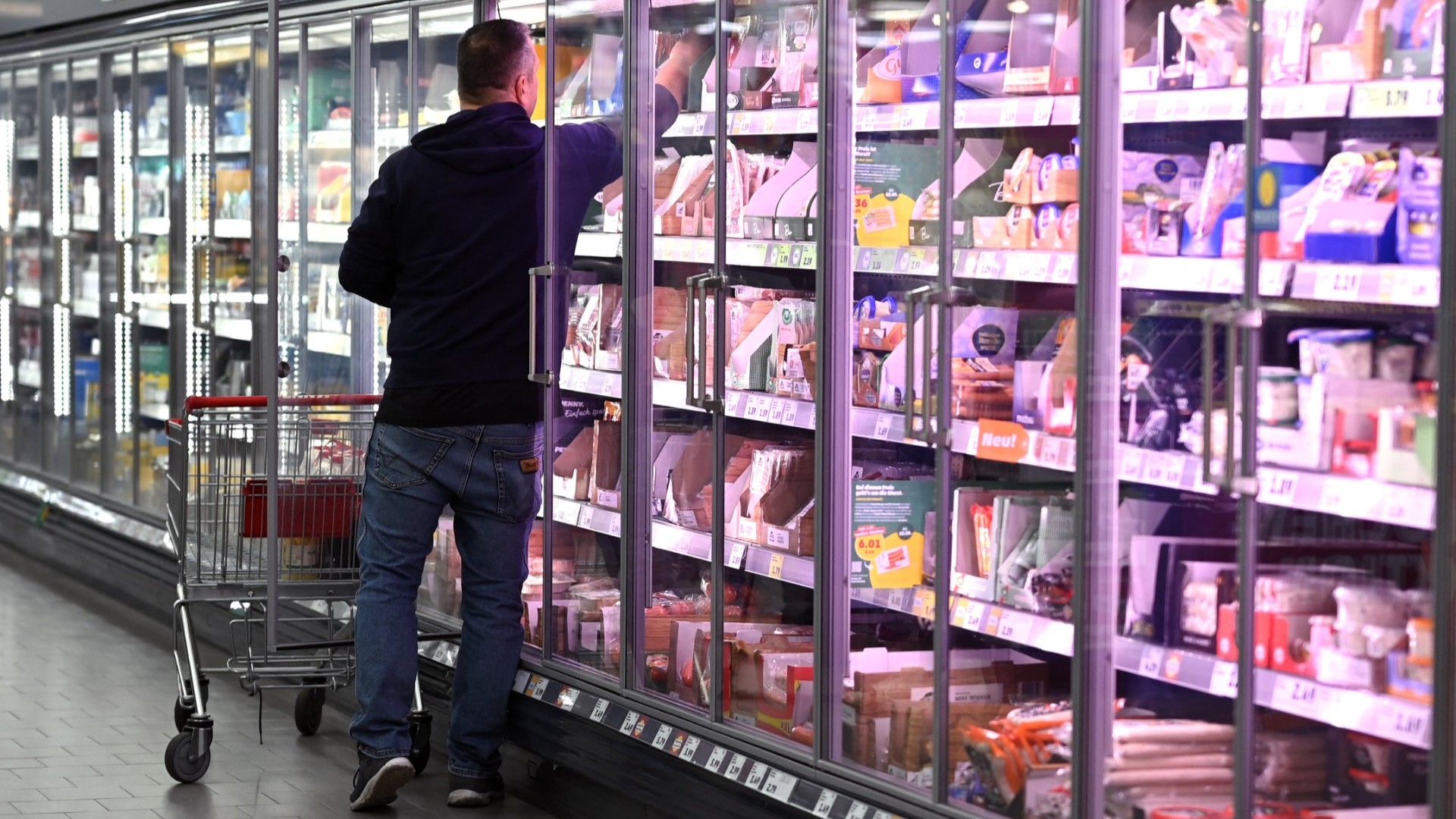
A supermarket in Germany (Image for illustration purposes only)
Ina Fassbender / AFP
A wave of shoplifting across Germany—with migrants increasingly behind the thefts—is forcing major retailers to lock away goods and rethink how they operate. As losses mount into the billions, supermarkets are now treating everyday items like high-security stock.
Junge Freiheit reports that a Kaufland supermarket in the eastern state of Thuringia has removed expensive alcoholic drinks from its shelves, replacing them with tokens that customers must take to the information desk after purchase. Staff say the move became necessary after organised thieves began clearing out shelves “rucksack by rucksack”.
“The situation became untenable,” a shop assistant told local media. “They just haul the bottles out in bulk. It’s out of control.”
She added that many of those caught stealing were of migrant background—an observation echoed by national police figures. According to Germany’s latest criminal statistics, out of 361,568 resolved shoplifting cases in 2024, around 124,000 suspects were not German citizens. That’s approximately one in three.
Other major chains such as Rewe, Aldi and Edeka have responded by installing more security cameras, locking up high-risk goods, and deploying additional surveillance tags. Items most frequently targeted include alcohol, cigarettes, cosmetics, designer clothing, and electronics.
A 2024 report by the EHI Retail Institute estimated that theft cost German retailers €2.95 billion last year — the highest figure on record. Researchers also believe as many as 24.5 million thefts go undetected annually.
One Edeka shop owner in Regensburg caused controversy late last year when he publicly accused groups of North African asylum seekers of carrying out coordinated thefts. He claimed they routinely stole luxury items and escaped through emergency exits, inflicting up to €10,000 in losses each month.
After being branded “racist” in some quarters, the grocer defended himself by pointing out his own migrant background and the diversity of his workforce. Still, he insisted: “The situation is no longer tolerable.”
The link between crime and migration in Germany is becoming increasingly difficult to ignore, and the growing impact on businesses is fuelling public concern—especially in areas with strained policing and high levels of recent immigration.
Retailers warn that if current trends continue, consumers may face higher prices and stricter access to goods across the board.