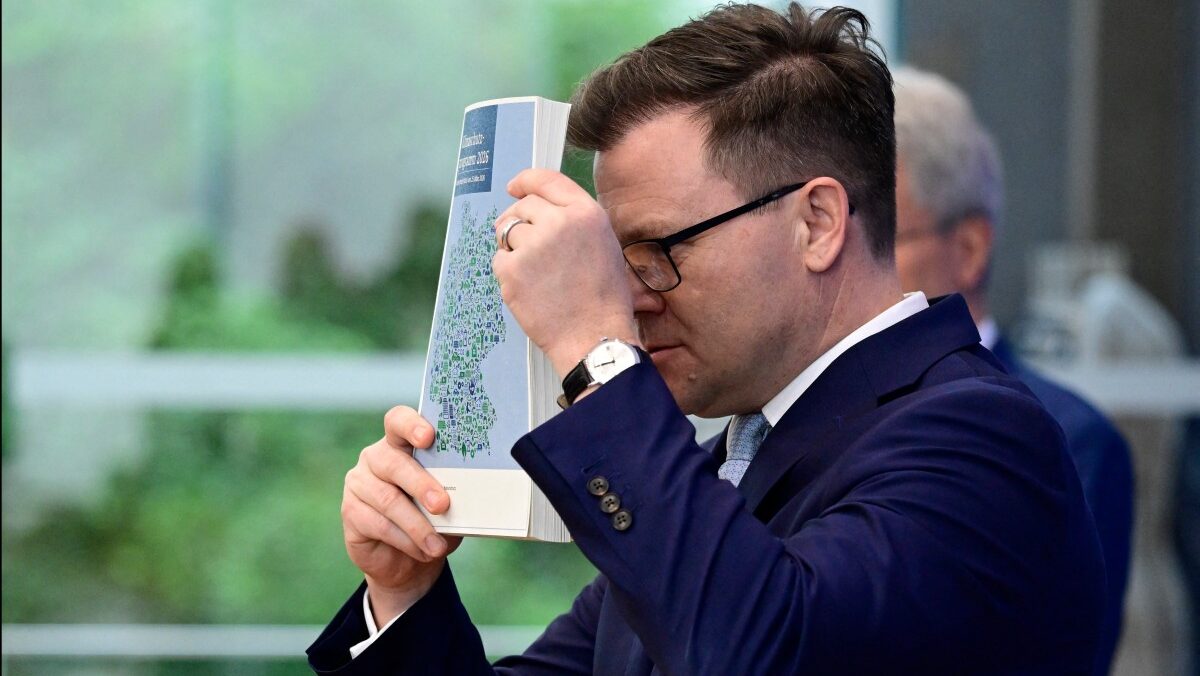
Carsten Schneider presents the government’s “Climate Protection Programme 2026” in Berlin on March 25, 2026.
John MACDOUGALL / AFP
Germany’s ruling coalition is pouring billions into new climate measures even as senior ministers warn current net zero policies are too rigid—raising fresh doubts about its energy strategy.
The move comes days after CDU Energy Minister Katherina Reiche called for a more flexible approach to net zero, even as SPD environment minister Carsten Schneider unveiled an additional €8 billion package to cut emissions.
The funding will be borne by taxpayers, even as divisions within the coalition deepen over the cost and direction of Germany’s energy policy.
As we reported earlier this week, Reiche’s remarks were already seen as likely to face resistance from both her coalition partners and within her own party. Her proposed cuts to small solar subsidies had already been branded “completely misguided” by SPD officials.
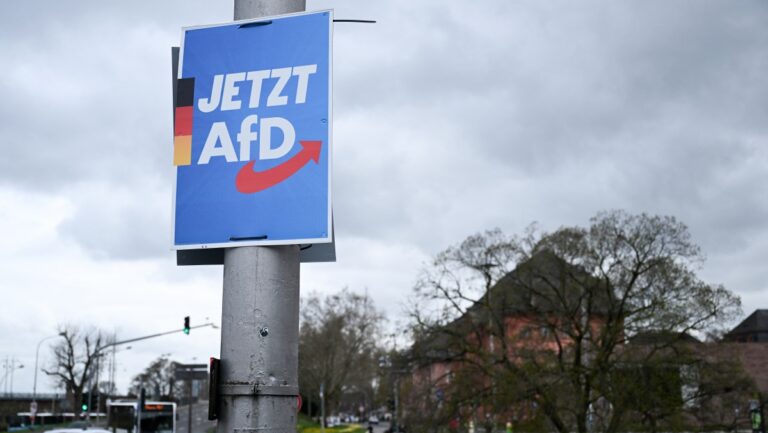
Criticism has also come from outside the coalition, with AfD co-leader Alice Weidel arguing that talk of energy reform is not matched by concrete policy.
She has also criticised the government for spending billions on “climate protection” while considering raising value-added tax to plug budget shortfalls. She added that the approach showed the CDU and SPD had “lost all sense of decency.”
Aktuell: Weitere 8 Milliarden Euro sollen in den "Klimaschutz" fliessen, während die gleiche Regierung darüber nachdenkt, ihre Haushaltslöcher mit der Erhöhung der Mehrwertsteuer zu stopfen. CDU und SPD haben jeden Anstand verloren! pic.twitter.com/jxuzlAviOi
— Alice Weidel (@Alice_Weidel) March 25, 2026
Schneider said the measures are aimed at making Germany “more modern and less dependent on unreliable fossil fuel imports.” However, the government’s own Council of Experts on Climate Issues has cast doubt on the effectiveness of the measures. The group said ministers may be “significantly overestimating” the programme’s impact and warned it lacks “a coherent overall concept.”