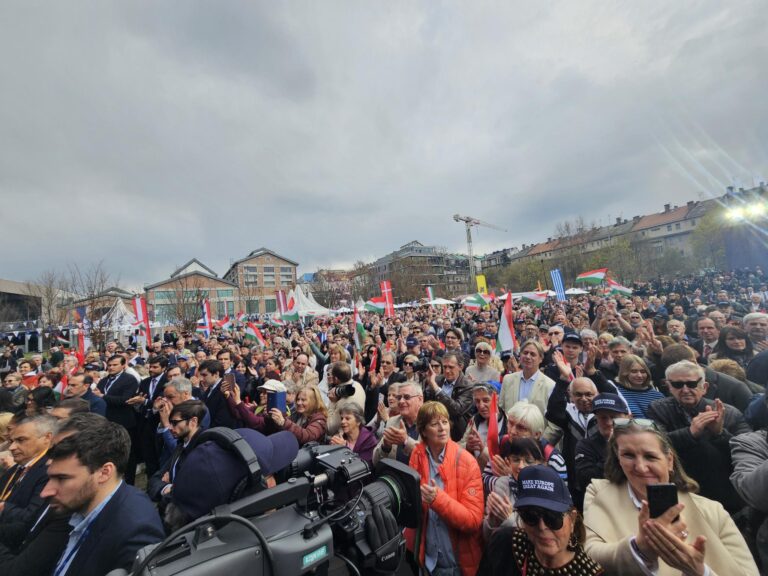
The GAFCON meeting in Abuja, Nigeria
Light Oriye Tamunotonye / AFP
A gathering of conservative Anglican leaders in Nigeria has taken another step toward reorganising the global church—although it stopped short of directly replacing the Archbishop of Canterbury.
Meeting in Abuja this week, the Global Fellowship of Confessing Anglicans (GAFCON) abandoned earlier expectations that it would appoint a rival “first among equals” to challenge Canterbury’s traditional role as symbolic head of the worldwide communion.
Instead, the movement announced the creation of a new governing body, the Global Anglican Council, chaired by Rwandan Archbishop Laurent Mbanda.
The move is the latest chapter in a long-running dispute within the Anglican world. For many conservative Anglicans, the dispute began with the Church of England’s progressive turn on issues such as same-sex blessings and the ordination of women. Tensions intensified further with the appointment of Sarah Mullally as Archbishop of Canterbury—the first woman to hold the post and a vocal supporter of same-sex blessings.
Leaders within GAFCON say Canterbury has abandoned biblical teaching and can no longer claim spiritual authority over the global communion.
Last year the movement declared that the Church of England had effectively “relinquished its authority to lead,” accusing Western Anglican institutions of promoting what it describes as “revisionist” doctrine on marriage and sexuality.
Several large Anglican provinces in Africa and the Global South subsequently aligned themselves with GAFCON’s newly declared “Global Anglican Communion.”
Together they claim to represent tens of millions of Anglicans worldwide, possibly even a majority of the roughly 95 million members of the church, though the figures are disputed.
Against that backdrop, many observers expected this week’s meeting in Abuja to produce a direct institutional rival to Canterbury.
Instead, GAFCON dissolved its existing Primates Council and replaced it with a broader leadership structure bringing together bishops, clergy and lay representatives.
Mbanda was unanimously elected chairman of the new council. Brazilian Archbishop Miguel Uchoa will serve as vice-chairman, while Canadian bishop Paul Donison becomes general secretary.
Leaders said the new structure reflects a deliberate break from the traditional leadership model centred on the Archbishop of Canterbury.
Even so, the outcome surprised many observers. The election of a rival primate had been widely expected, and the sudden shift toward a council structure appeared designed to avoid a direct confrontation with Canterbury.
“Believing that the current instruments of communion no longer meet the needs of the majority of Anglicans around the world,” Donison said, the movement had opted for a council system in which authority is shared across a global body.
Spokesman Canon Justin Murff insisted the dispute is fundamentally theological rather than institutional.
“The issue is not same-sex marriage, nor is it about the female Archbishop,” he said. “It is whether Scripture or contemporary culture governs the life of the church.”