Hungarian Foreign Minister Péter Szijjártó
Péter Szijjártó on Facebook, 21 August 2025
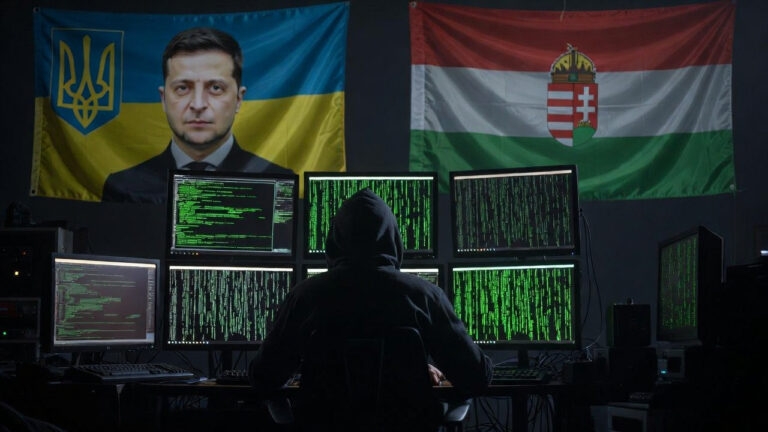
Hungary has accused the European Commission of betraying its own member states by remaining silent after repeated Ukrainian strikes on the Druzhba (“Friendship”) oil pipeline, which supplies Russian oil to Hungary and Slovakia.
Budapest and Bratislava warn that the damage poses a direct threat to their national energy security, yet Brussels has so far refrained from taking action—a stance Hungarian officials describe as siding with Kyiv over fellow EU members.
Speaking on Tuesday, August 26th, Hungary’s Foreign Minister Péter Szijjártó said the Commission has remained complicitly silent and failed to defend critical European energy infrastructure.
🇭🇺 @FM_Szijjarto: The @EU_Commission spits in its own face when it stays silent while Ukraine attacks the Druzhba oil pipeline, vital for Hungary and Slovakia’s energy security. @vonderleyen’s Commission no longer serves Europe but Ukraine.
— Zoltan Kovacs (@zoltanspox) August 26, 2025
⚠️ He warned that President… pic.twitter.com/D1uKwRRFGg
He insisted that the latest wave of attacks, which included both drones and rockets, has left the pipeline out of operation for at least five days.
Szijjártó stressed that the Druzhba is physically indispensable to his country. Hungary has no viable alternatives, since Croatia refuses to expand the Adria pipeline’s capacity and has instead raised transit fees.
The minister accused Brussels of hypocrisy, recalling that the Commission had previously pledged to safeguard member states’ energy infrastructure. “Von der Leyen’s Commission no longer serves Europe, but Ukraine,” he said.
The Hungarian prime minister’s chief of staff, Gergely Gulyás, called the attacks “violations of national sovereignty” and demanded that Ukraine “end its interference with Hungary’s energy infrastructure”. He reminded Kyiv that Ukraine imports 40% of its electricity from Hungary.
The pipeline, which runs from Russia through Belarus and Ukraine to Central Europe, has been targeted multiple times this month by Ukrainian forces striking Russian territory.
Ukrainian President Volodymyr Zelensky openly suggested that Hungary’s political stance could determine the future of the pipeline.
In a remark on Sunday, he linked Budapest’s veto on Ukraine’s EU accession talks to the continuation of attacks:
We always supported the friendship between Ukraine and Hungary. And now the existence of the friendship depends on what Hungary’s position is.
Hungary interpreted the statement as an open threat to its sovereignty.
“These bombings don’t hurt Russia, but us Hungarians and the Slovaks,” Szijjártó warned. He said that Zelensky’s “shameless” intimidation exposes a deliberate strategy to pressure Hungary into adopting a pro-Ukraine line, one dictated by Brussels.
Slovakia has issued similar warnings. Foreign Minister Juraj Blanár underlined that the strikes could also cut fuel deliveries to Ukraine, noting that 10% of Ukraine’s diesel imports come from Russian oil refined in Slovakia.
He joined Szijjártó in signing a joint letter to EU foreign affairs chief Kaja Kallas, urging immediate action to uphold the Commission’s January commitment to protect energy security.
Brussels, however, responded by pointing to strategic reserves in Hungary and Slovakia, claiming there was no immediate danger.
For both capitals, this dismissive reply highlights what they see as double standards: while hundreds of billions of euros flow to Kyiv, EU member states facing real supply disruptions are told to endure.
Brussels’ unwillingness to aid its own member states is unsurprising given the fact that Hungary and Slovakia are the ‘black sheep’ of Europe—countries that reject Brussels’ dictates on a wide range of issues.
Both Hungary and Slovakia have blocked or threatened to block joint EU decisions on Ukraine and sanctions against Russia. Both nations are heavily reliant on Russian energy sources and denounce the EU’s attempts to phase out the imports of Russian oil and gas. They have argued that providing heating and energy to their own citizens shouldn’t be an ideological issue.
Ukraine hasn’t taken kindly to Hungary’s stance either, but, according to Hungarian conservative daily Magyar Nemzet, resorting to blackmail by bombing the oil pipeline will only result in Ukraine damaging its image even further.
The paper warned that Hungary, which has a say on Ukraine’s future NATO and EU accession, will not forget the targeting of its energy supply or the treatment of ethnic Hungarians in western Ukraine. “There will be a time when Ukraine comes knocking on our door,” it wrote.
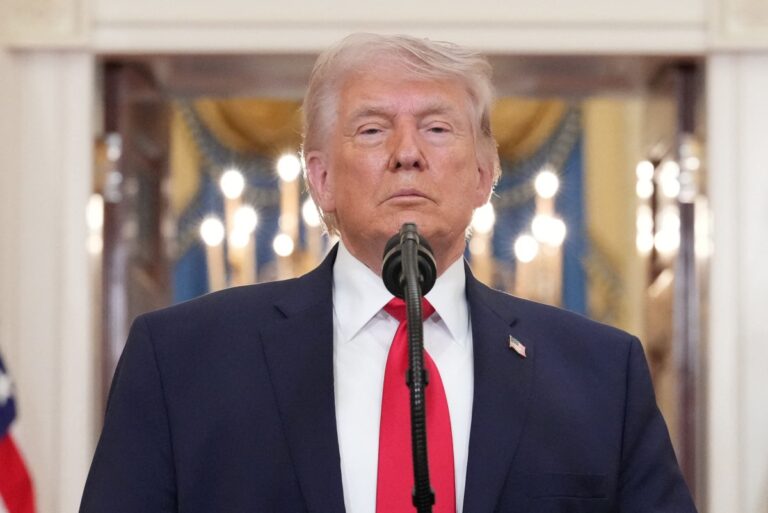
The attacks have even angered U.S. President Donald Trump, who was informed about Ukraine’s actions by his strong ally, Hungarian Prime Minister Viktor Orbán. “Viktor—I do not like hearing this. I am very angry about it. Tell Slovakia,” Trump wrote, according to a letter published online by Orbán’s Fidesz party.
Trump has been attempting to broker a peace deal to end the war between Ukraine and Russia, which started three-and-a-half years ago. He is well aware that Hungary has been the only EU member that, since the beginning of the war, has consistently advocated for peace and for dialogue with Russia, while others have focused on supplying military aid to Kyiv “for as long as it takes.”