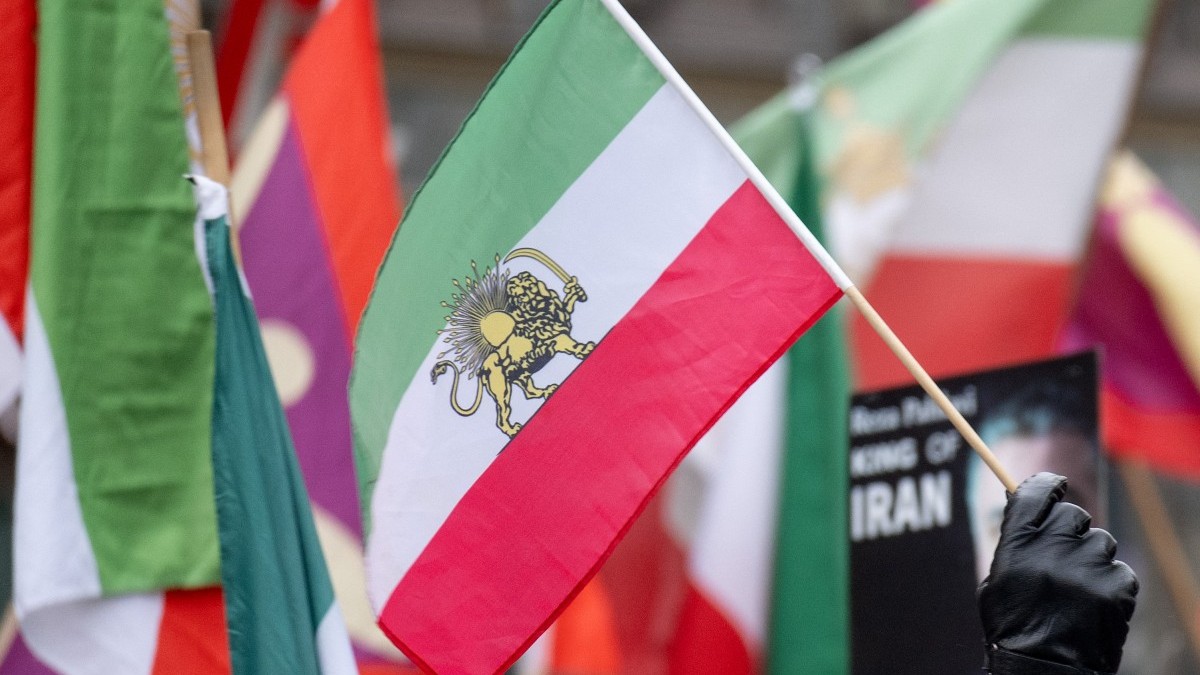
Protesters wave Pahlavi era Iranian flags during a demonstration against the Iranian government at Stephansplatz square in Vienna, Austria on January 11, 2026.
Joe Klamar / AFP
Iran is facing escalating nationwide unrest as protests continue to spread across the country, with human rights groups reporting that more than 500 people have been killed and thousands arrested. The demonstrations, which erupted amid economic collapse and rising living costs, have evolved into the most serious challenge to Iran’s clerical regime in years.
According to the U.S.-based rights group HRANA, at least 490 protesters and 48 members of the security forces have been killed during two weeks of unrest, based on information gathered from activists inside and outside Iran. The group also said more than 10,600 people have been arrested.
Protests began on December 28th after shopkeepers shut down Tehran’s Grand Bazaar in response to the collapse of the rial, which plunged to record lows.
Since then, demonstrations have expanded to all 31 provinces, including areas traditionally considered loyal to the regime. While initially driven by economic grievances, the protests have grown into a direct challenge to the theocratic system in place since the 1979 Islamic Revolution.
Despite a prolonged internet shutdown imposed by authorities, information has continued to seep out of Iran. Videos circulating online have testified to large demonstrations in Tehran and other cities over several nights. A video from Kahrizak, south of Tehran, showed dozens of bodies wrapped in black bags outside a morgue, with grieving relatives searching for loved ones. A journalist described Tehran as a city in near paralysis, with many shops closed and others forced to shut early as security forces deployed en masse. The price of meat has nearly doubled since the protests began.
The Center for Human Rights in Iran group said it received “eyewitness accounts and credible reports indicating that hundreds of protesters have been killed across Iran during the internet shutdown”, warning that a “massacre is unfolding.”
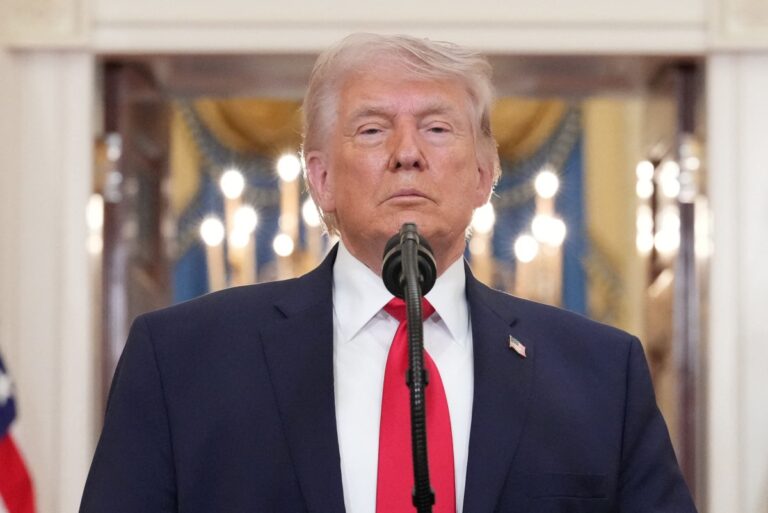
As reports of mass killings emerged, President Trump said Iran’s leadership had contacted him seeking talks. Speaking aboard Air Force One, Trump said “the leaders of Iran called” and that a meeting was being set up, adding that “we may have to act before a meeting.” He confirmed he was consulting senior advisers and reviewing strong options.
The military is looking at it, and we’re looking at some very strong options.
Iran responded with warnings. Parliament Speaker Mohammad Baqer Qalibaf cautioned Washington against “miscalculation,” saying that in the event of an attack, Israel as well as all U.S. bases and ships would be considered legitimate targets. At the same time, Foreign Minister Abbas Araghchi said Iran was not seeking war but was fully prepared for conflict, while also stating that Tehran was ready for negotiations based on mutual respect.
Meanwhile, Reza Pahlavi, the U.S.-based son of Iran’s ousted shah, urged state employees and security forces to stand with the people rather than what he described as the murderers of protesters. He called for replacing Islamic Republic flags at Iranian embassies with the pre-revolutionary national flag, which has become a symbol of global rallies supporting the protests, saying
The time has come for them to be adorned with Iran’s national flag, in place of the disgraceful banner of the Islamic republic.