Attila KISBENEDEK / AFP
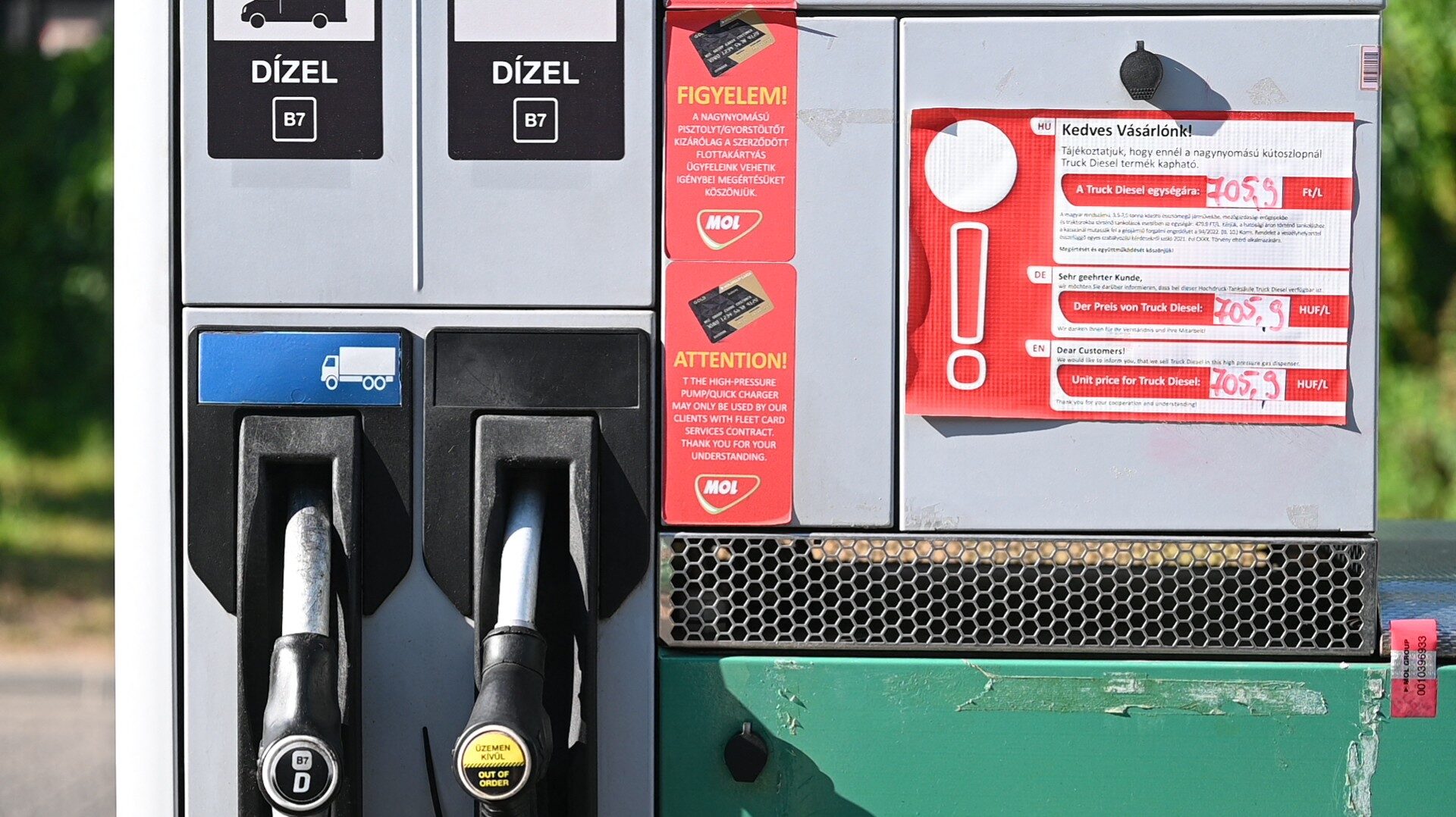
Donald Trump’s claim on Monday that the war in Iran was “very complete” has resulted in an easing in global oil prices. But with the conflict still raging and threats hanging over the Strait of Hormuz—through which roughly 20% of the world’s oil passes each day—serious concerns remain.
This has prompted some European leaders to renew calls for Brussels to lift sanctions on Russian energy, warning that the restrictions risk sending prices even higher.
Hungary has led these demands; its foreign minister, Péter Szijjártó, said this week that “if Brussels keeps the sanctions in place, it will cause serious harm to European people and the European economy.”
The focus should be on protecting the interests of Europeans, not ideology.
The EU should immediately lift its ban on Russian oil and gas imports. With the war in the Middle East escalating and the Strait of Hormuz closed, a major share of global energy supply is now at risk.
— Péter Szijjártó (@FM_Szijjarto) March 9, 2026
Europe is especially exposed because the EU had already banned Russian energy…
In Italy, too, former Undersecretary for Education Rossano Sasso said on Tuesday these sanctions are “fueling the explosion in gas costs, utility bills, and agricultural production,” and so are harming “families, businesses, and farmers.”
The blockade … is bringing our farmers to their knees, driving up production costs and sending food prices through the roof.
European Union energy sanctions currently only apply to Russian oil, but will also extend to Russian liquefied natural gas (LNG) by the end of the year as part of an effort to phase out all Russian fossil fuels by 2027. This plan was adopted by a qualified majority, with opposition coming from both Hungary and Slovakia.
At the same time, Commission President Ursula von der Leyen is talking about the need for “homegrown, low-carbon energy sources.” However, she has admitted that the technology will not be operational in Europe until “the early 2030s,” thus doing little to help the continent’s current predicament.
The nationalist Sweden Democrats party is also looking at other ways to avert an energy crisis and to keep fuel prices as low as possible for citizens. Its leadership is pushing for taxes to be reduced on petrol and diesel, although it recognises that the latter would require the government to apply for permission from the EU. It also backs the establishment of a “national crisis group for energy prices and economic preparedness.”