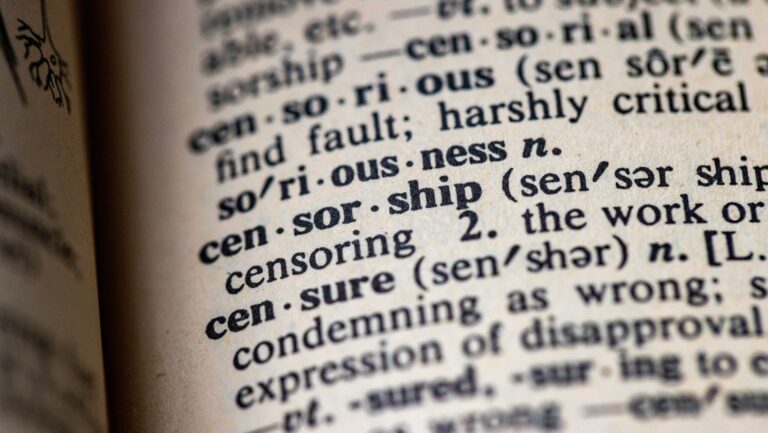
Photo by Madrosah Sunnah on Unsplash
English blasphemy laws were officially abolished almost two decades ago. But free speech campaigners warn that they have returned in all but name after a man who set fire to a copy of the Quran outside the Turkish consulate in London was convicted on Monday of a racially aggravated public order offence.
Hamit Coskun—a Turkish political refugee—shouted “f**k Islam” and “Islam is religion of terrorism” as he held the burning book aloft in February and, after being found guilty at Westminster Magistrates Court of the offence, was fined £240 (€285) with a statutory surcharge of £96 (€114).
Free speech campaigners have been especially critical of the Crown Prosecution Service’s initial charge, accusing Coskun of acting with “intent to cause against the religious institution of Islam harassment, alarm or distress”—as though Islam itself were a person.
Spiked Online editor Tom Slater also described the reasoning in the final judgement as “plain old demented,” given the judge’s claim that Coskun’s guilt of disorder was “no better illustrated” than by the fact that a passerby attacked him with a knife.
The Free Speech Union described this as a “dangerous precedent,” effectively creating a “heckler’s veto by violence.” It is now raising funds for an appeal to the guilty verdict, which it says “opens the door to the return of blasphemy law in all but name.”
We’re supporting Hamit not because we’re anti-Islam, but because no one should be compelled to observe the blasphemy codes of a faith they do not share. Free speech includes the freedom to criticise religion.
🚨 HELP US OPPOSE THE BACKDOOR BLASPHEMY LAW!
— The Free Speech Union (@SpeechUnion) June 2, 2025
A Turkish political refugee has been convicted of a criminal offence in Britain for burning a copy of the Koran outside the Turkish Consulate in London. The Free Speech Union (FSU) funded his defence. Now we need your help to fund… pic.twitter.com/Brzk4mqWqb
Labour prime minister Keir Starmer late last year refused to rule out formally introducing a blasphemy law that would prohibit “desecration of religious texts.”
After the ruling on Monday, Rupert Lowe MP stressed that “free speech means protecting the right to offend any religion, that very much includes Islam.” Tory big whig Robert Jenrick has also written in The Daily Telegraph that “free speech must not be sacrificed to appease Islamists,” although his own party’s failure to protect the freedom of expression while in power for more than a decade is a big part of why the fundamental right is in such a poor state today.