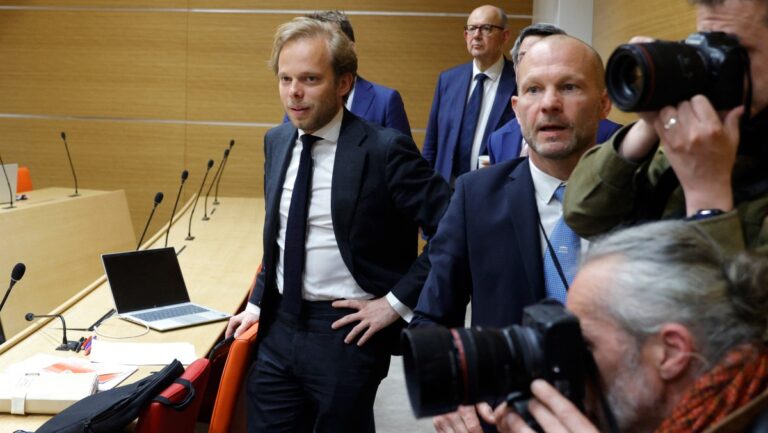
Lega MP Rossano Sasso, rapporteur of the bill amending previous regulation of sex education in Italian public schools
Rossano Sasso on Facebook on October 30, 2023
Sexual and emotional education will now be permitted in Italy’s middle schools, provided parents give informed consent. The change comes after an amendment presented by the right-wing Lega party in the Chamber of Deputies, modifying the previously approved committee text and aligning middle schools with high schools. The ban, however, remains in place for preschool and elementary levels.
Under the new provision, parents must be informed in advance about the topics to be discussed and the materials to be distributed. Rossano Sasso, Lega’s group leader in the Culture, Science, and Education Committee and the bill’s rapporteur, clarified that the legislation does not prohibit sexual education altogether, which is already included in Italy’s national curriculum guidelines.
According to Sasso, “It’s right that in schools we talk to adolescents and young people about sexually transmitted diseases, unwanted pregnancies, and education about affection and respect. This is already being done, and in fact, Minister Valditara is strengthening it.”
Sasso added that the new law aims to prevent “ideological distortions dear to the left,” asserting that
ideologically biased trans and LGBT activists, drag queens, and porn actors (all of which have actually happened) lacking pedagogical skills will no longer be allowed to enter schools to talk to children and young people about gender fluidity, surrogate motherhood, and sexual confusion.
Unsurprisingly, the Left—including members of the Democratic Party, the Five Star Movement, and the Greens and Left Alliance (AVS)—have criticized the amendment, but Sasso nailed down that the Meloni government protects “families’ freedom of educational choice, guaranteed by the Constitution, and above all, the well-being of their children.”
The move follows Italy’s recent push in October to tighten regulations on sexual education in schools. In a previous session, lawmakers approved a bill that restricted such lessons in primary and middle schools, allowing them only in high school with parental consent.
The amendment comes a year after Bulgaria introduced legislation restricting LGBT content in schools and follows similar measures enacted in Hungary. Last month, Slovakia also adopted policies emphasizing biological sex, officially recognizing only two genders, and amended its constitution to limit adoption to married heterosexual couples and to prohibit surrogacy.