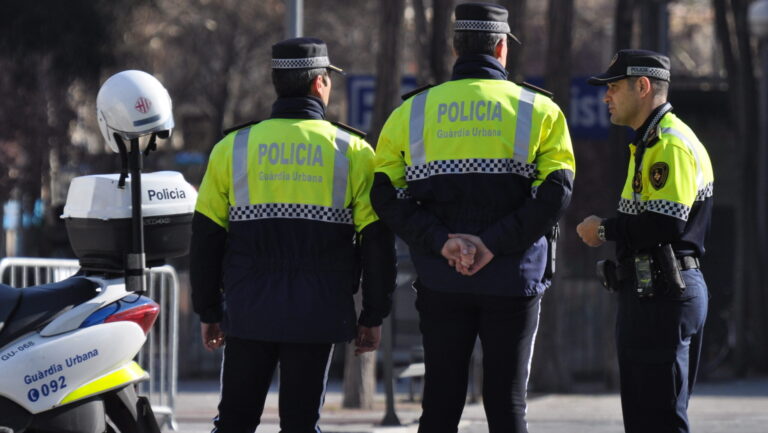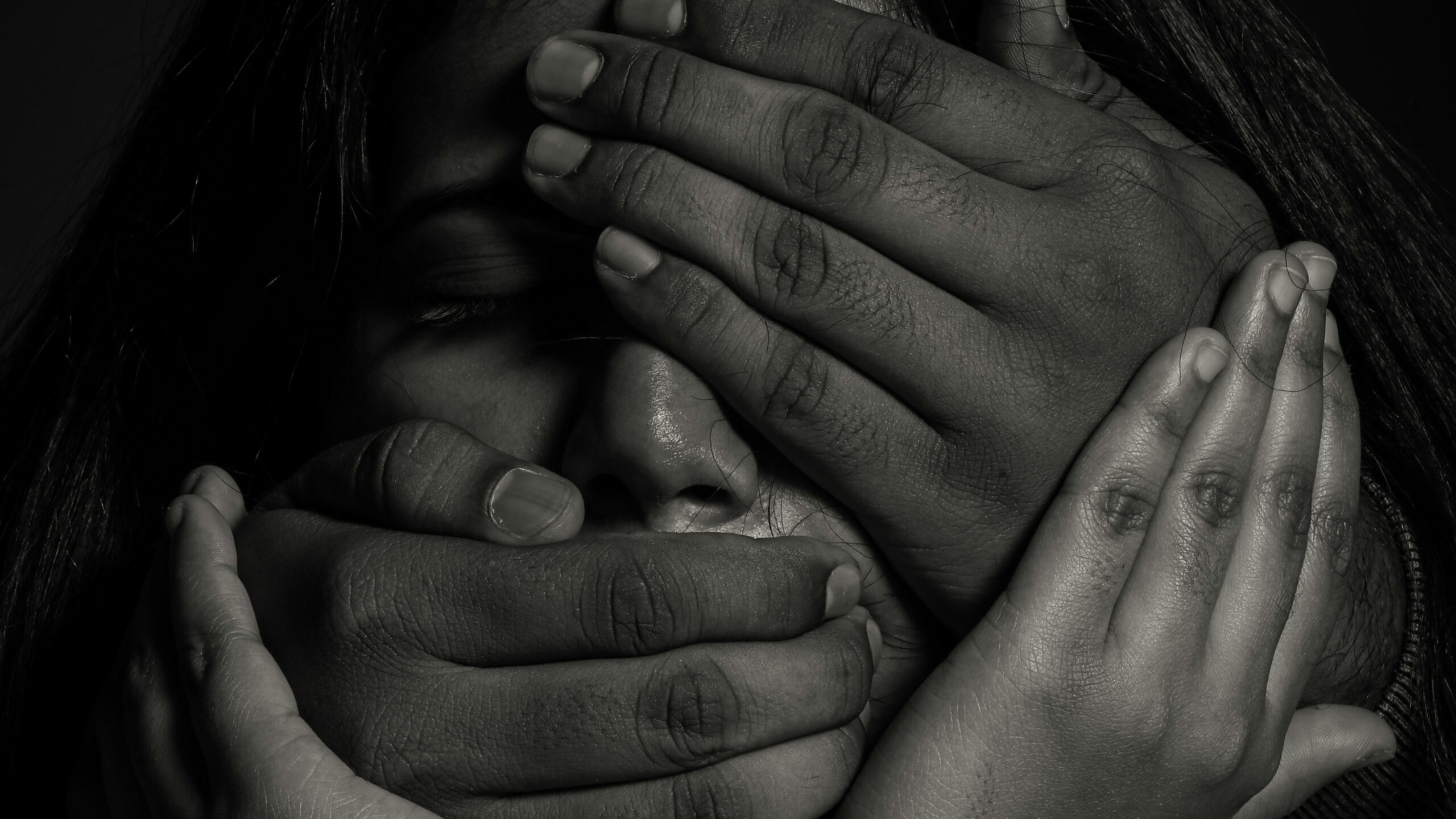
Image for illustration purposes only
On July 3rd, a Kosovar Muslim man, identified as Mirsad H., set his wife, Dula K., on fire in the Belgian village of Houthalen-Helchteren after being released from incarceration months early due to prison overcrowding. The attack happened in front of the couple’s five children, one of whom tried to extinguish the flames while waiting for help to arrive. The woman is now in a medically induced coma, fighting for her life, with her chances of survival minimal according to the doctors treating her.
Mirsad H. was previously known to the police, having amassed a considerable rap sheet including illegal possession of a weapon and receiving stolen goods. Before the horrific attack on his wife, he had been serving a 37-month prison sentence for domestic violence.
Despite his ample criminal record and propensity for violence against his wife, the man was granted conditional release by the Hasselt prison administration, based on an “emergency measure” implemented by former Belgian justice minister Paul Van Tigchelt to tackle overcrowding in the prison system. Current justice minister Annelies Verlinden has since called the measure illegal and vowed to end it.
The man is now facing charges of attempted murder and is expected to be tried before the Assize Court.
While prison administration heads are likely to roll (and questions have also been raised about the police officers who responded when Mirsa H. first became violent on the day of the fatal attack but failed to detain him), the horrendous attempted murder reflects a broader pattern of a specific type of violence against women: that perpetrated by men (sometimes aided and condoned by their female relatives) who are ‘culturally different’ compared to the norms of the Western societies they live in.
This reality is still hardly confronted by the ruling elites in Western European countries, where the discourse about violence against women and ‘femicide’ is carefully devised not to include any reference to culture and ethnicity playing a role in the problem.
For one, female genital mutilation (FMG), despite being illegal, continues to be practiced in the West. In 2022, a study revealed that more than 35,000 women and girls living across Belgium have either been subjected to—or are at risk of being subjected to—FMG, a barbaric practice pervasive in some Muslim societies.
So-called honour killings also continue in Western Europe, targeting women who attempt to integrate into the liberal societies they live in, turning their backs on enslaving Muslim religious practices. And the indoctrination of children born into families of migrant background begins early. This June, a play in a ‘multicultural’ school in Switzerland, staged by third- and fourth-grade pupils (!), depicted an honour killing, in which a husband murders his wife for rejecting his religious fanaticism. In the play, the man stabbed the woman with an imaginary knife, declaring, “No one will ever speak badly about my God again,” before praying for her resurrection.
In 2021, Franco-Algerian Mounir Boutaa killed his wife Chahinez Daoud, after beating her, dousing her with petrol, and burning her alive. Boutaa justified his violence against his wife by accusing her of infidelity. “At least his honour would be cleared and in prison, he would be seen as a man, whereas now he would be seen as a faggot,” a friend of Chahinez explained Boutaa’s reasoning.
Despite all the terrible consequences, Western European institutions still laud multiculturalism and advocate for mass migration while failing to ensure that migrants integrate and uphold Western European values, which leads to tragedies, the victims of which are predominantly women.
Italy is set to become one notable exception, with politicians now speaking openly about the cultural aspects of violence against women.
When the Italian Senate recently passed a new law that punishes ‘femicide’ as a separate crime category, Lega Senator Giulia Bongiorno, who was rapporteur of the bill, said the measure was “a new and strong stance against those who consider women inferior beings.”
Carlo Nordio, justice minister in the Meloni government, also highlighted that violence against women is “rooted in a complete lack not only of civic education but also of respect for others, especially [among] young people and adults of ethnic groups who perhaps lack our sensitivity toward women.”