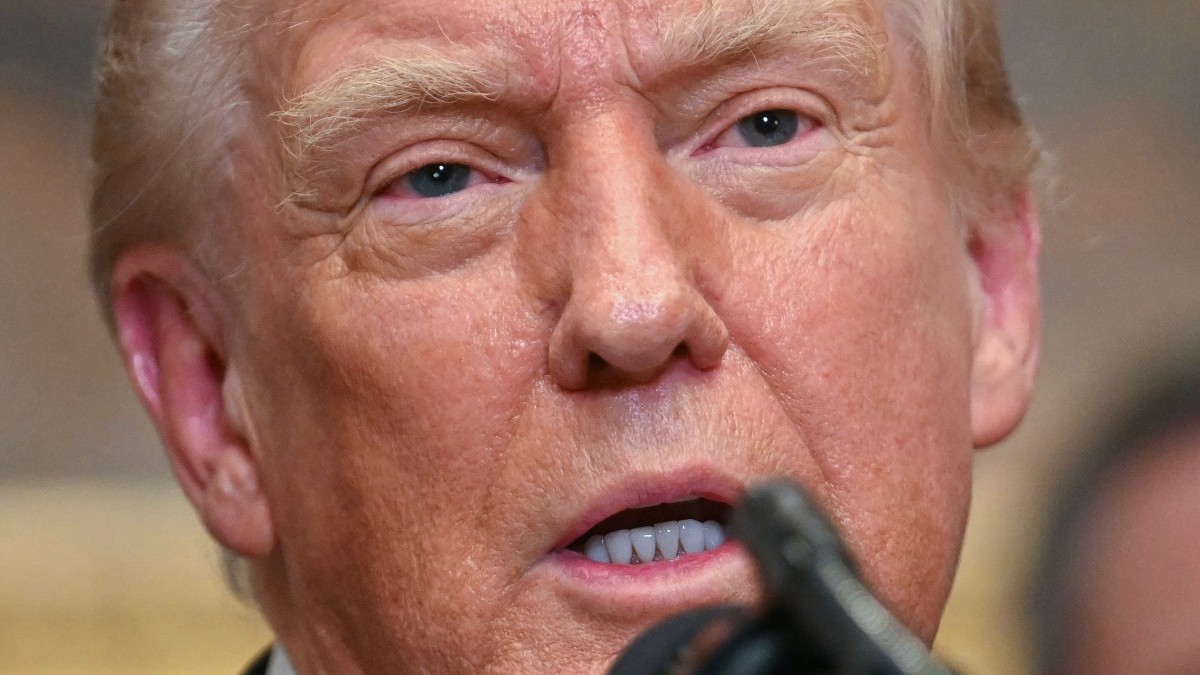
Donald Trump on July 31, 2025
Jim Watson / AFP
U.S. President Donald Trump has signed an executive order to delay the tariffs imposed on the EU by one week until August 7th, to allow a narrow window for negotiators to finalize a much-anticipated EU–U.S. trade deal. Goods shipped before that date and arriving before October 5 will be exempt from the duties, according to official guidance released alongside the order, on Friday, August 1st.
The European Union has responded with increasing urgency. Brussels has called on Washington to start implementing the new trade deal, urging its largest trading partner to provide “immediate tariff relief” for Europe’s beleaguered exporters from August 1stt.
Brussels appears to have misunderstood the scope of their own negotiations, initially believing that pharmaceutical products might be exempt from tariffs. However, Washington clarified in a fact sheet that a 15% duty will apply to key sectors, including autos, semiconductors, and pharmaceuticals. The European Federation of Pharmaceutical Industries (EFPIA) called the inclusion of medicines “a blunt instrument,” warning it would disrupt supply chains and ultimately harm patient access on both sides of the Atlantic. As Europe’s largest exporter to the U.S., the pharmaceutical sector now faces estimated losses of €11.36 to €16.6 billion, with analysts warning of likely price hikes for consumers.
Since the news of the deal got out, most of the European leaders have voiced their concerns about EU Commission chief Ursula von der Leyen heading these negotiations, as she has bargained for a terrible deal.
Spanish Prime Minister Pedro Sánchez said the deal could only be supported “without any enthusiasm,” while German Chancellor Friedrich Merz warned it would “substantially damage” national finances. French Prime Minister François Bayrou called it “a dark day,” saying that a once united alliance had “resolved to submission.” Hungary’s Viktor Orbán went further, accusing Commission President Ursula von der Leyen of letting herself be “eaten for breakfast by Trump,” reflecting a broader sense of betrayal and diplomatic defeat across the bloc.