OLGA MALTSEVA / AFP
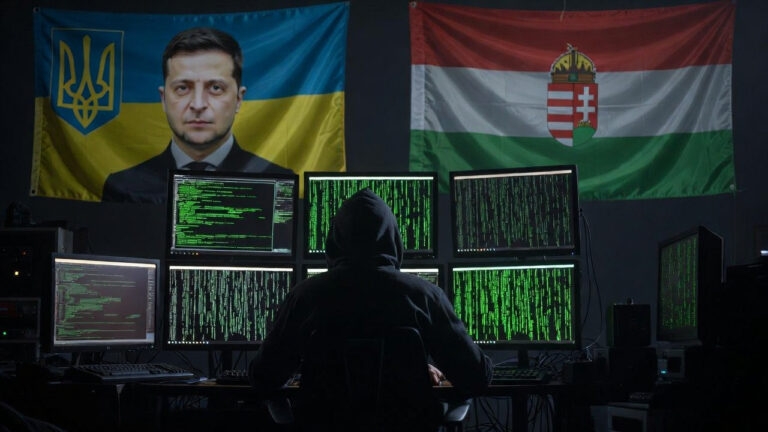
The head of Germany’s foreign intelligence service (BND) has warned that Russia “does not rule out a direct military confrontation with NATO” and that Germany is “already under attack” through sabotage, espionage, and disinformation operations.
In a statement to the German Parliament, Martin Jaeger, head of the BND, said Russia seeks to “expand its sphere of influence westward” and that Germany has become a “priority target” because it supports Ukraine. “We must stop thinking that an attack could occur in a few years. We are already under fire today,” the official declared.
His remarks coincided with similar interventions by the head of domestic intelligence, Sinan Selen, who warned of the rise in “hybrid activities” such as drone incursions, infrastructure sabotage, and digital influence campaigns.
Although the warnings were framed as being transparent, many in Berlin see them as part of a political plan to get the public ready for more military spending and new laws giving more power to the intelligence services.
The rhetoric of the intelligence services comes amid a general atmosphere of mistrust. In recent months, minor incidents—such as unidentified drones over airports or Russian ships transiting the English Channel — have been amplified in the media as potential hostile acts.
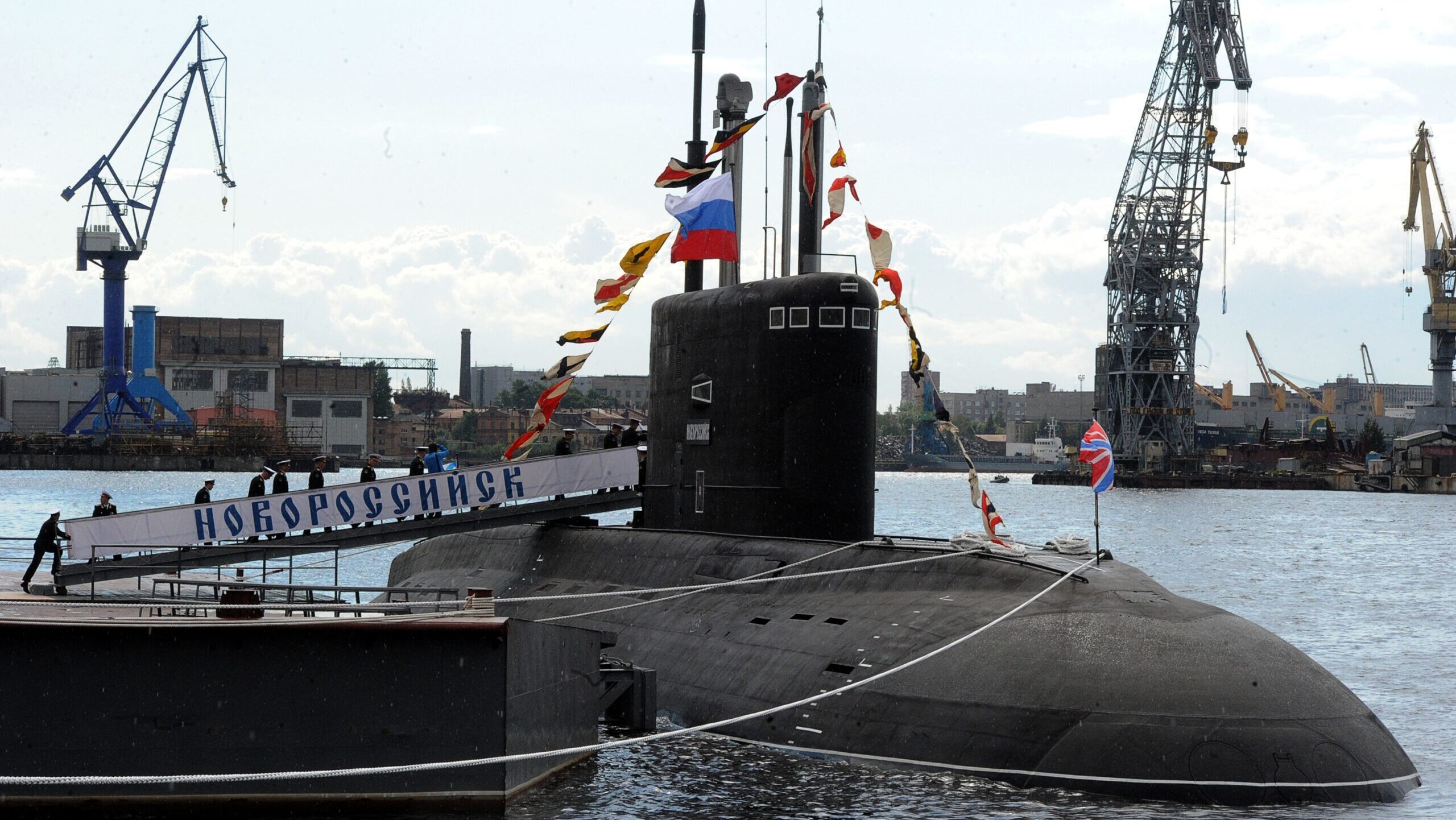
The most recent episode, involving the Russian submarine Novorossiysk, which sailed on the sea surface escorted by British and Dutch forces, was presented as a sign of weakness on Moscow’s part, but also as a reminder of its “threatening presence.”
NATO Secretary General Mark Rutte joked about the incident: “It’s no longer The Hunt for Red October, but the hunt for the nearest mechanic.” Yet the joke contrasted with the return of fear as a driving force in European politics.
The debate over Europe’s security comes as national budgets tighten and citizens feel the pressure of rising prices.
In Germany, defense spending will reach €90 billion this year—the highest level since the Cold War. At the same time, the government is considering cuts to healthcare, education, and pensions to balance the budget.
That timing has led many to believe that fear is being used to justify unpopular decisions. “Every time a Russian threat is mentioned, more military funds are approved,” says a former European diplomat based in Brussels. “The problem is that people are beginning to feel that fear has become state policy.”
Experts agree that Europe must take hybrid threats seriously and strengthen its defense, but they also warn of the risk of using fear as a political tool. “If everything is presented as Russian aggression, we end up seeing enemies in every shadow,” warns a professor of international relations at the University of Leuven. The challenge, he adds, will be to maintain the balance between legitimate security and democratic transparency.