JOHN THYS / AFP
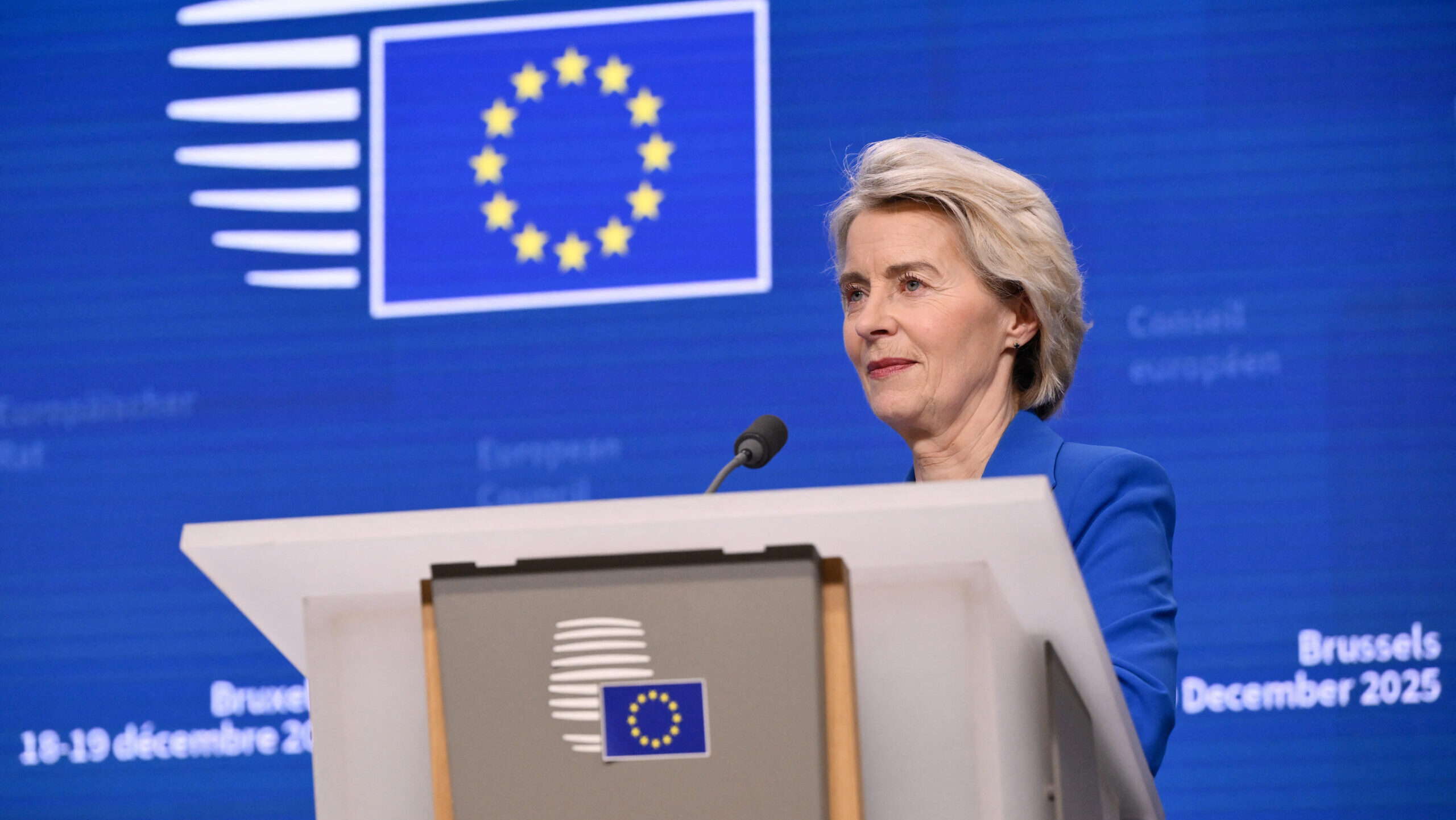
Ursula von der Leyen, President of the European Commission, is facing a new political and legal challenge in Germany. This time, it is coming not from liberal or conservative critics, but from the sovereignist left grouped around Bündnis Sahra Wagenknecht (BSW).
The party’s co-chair and Member of the European Parliament, Fabio De Masi, has filed a lawsuit against the European Commission at the EU’s top court. He accuses the Commission of failing to respect the European Parliament’s right to oversight.
At the heart of the case is what De Masi says was a late and inadequate reply by von der Leyen to parliamentary questions about her contacts with defence companies. According to the filing, the lawsuit aims to clarify and strengthen the Commission’s duty to be transparent with elected representatives.
The dispute dates back to March 2025, when De Masi asked for full details of all contacts between the Commission President and arms manufacturers since mid-2024. He requested information on meetings, phone calls, video calls, emails, and any other formal or informal exchanges.
The Commission’s reply arrived only in October 2025, seven months later. De Masi says it contained little concrete information, pointing instead to a single “strategic dialogue with the European defence industry” held on 12 May 2025, a working lunch, invitations von der Leyen had declined, and congratulatory messages she had received. The response also referred him to the transparency register and material already published on the Commission’s website.
De Masi argues that this fell short of EU treaty rules requiring the Commission to answer parliamentary questions fully and within a reasonable time. “This is not about personal curiosity, but about democratic oversight,” he says in the legal filing.
The political clash has also taken on a personal edge. De Masi has said publicly that von der Leyen “sees herself as Louis XIV,” comparing her to the 17th-century absolutist French monarch. BSW says the lawsuit reflects a broader pattern of secrecy under her leadership.
In a party statement, BSW also points to the controversy over deleted text messages linked to multi-billion-euro vaccine contracts during the pandemic. It further cites problems in major military procurement programmes, both at EU level and during von der Leyen’s time as Germany’s defence minister.
Von der Leyen’s office has stressed that the case is directed at the Commission as an institution, not at her personally. A Commission spokesperson said Brussels “does not share Mr De Masi’s legal interpretation,” while acknowledging his right to challenge the decision in court.