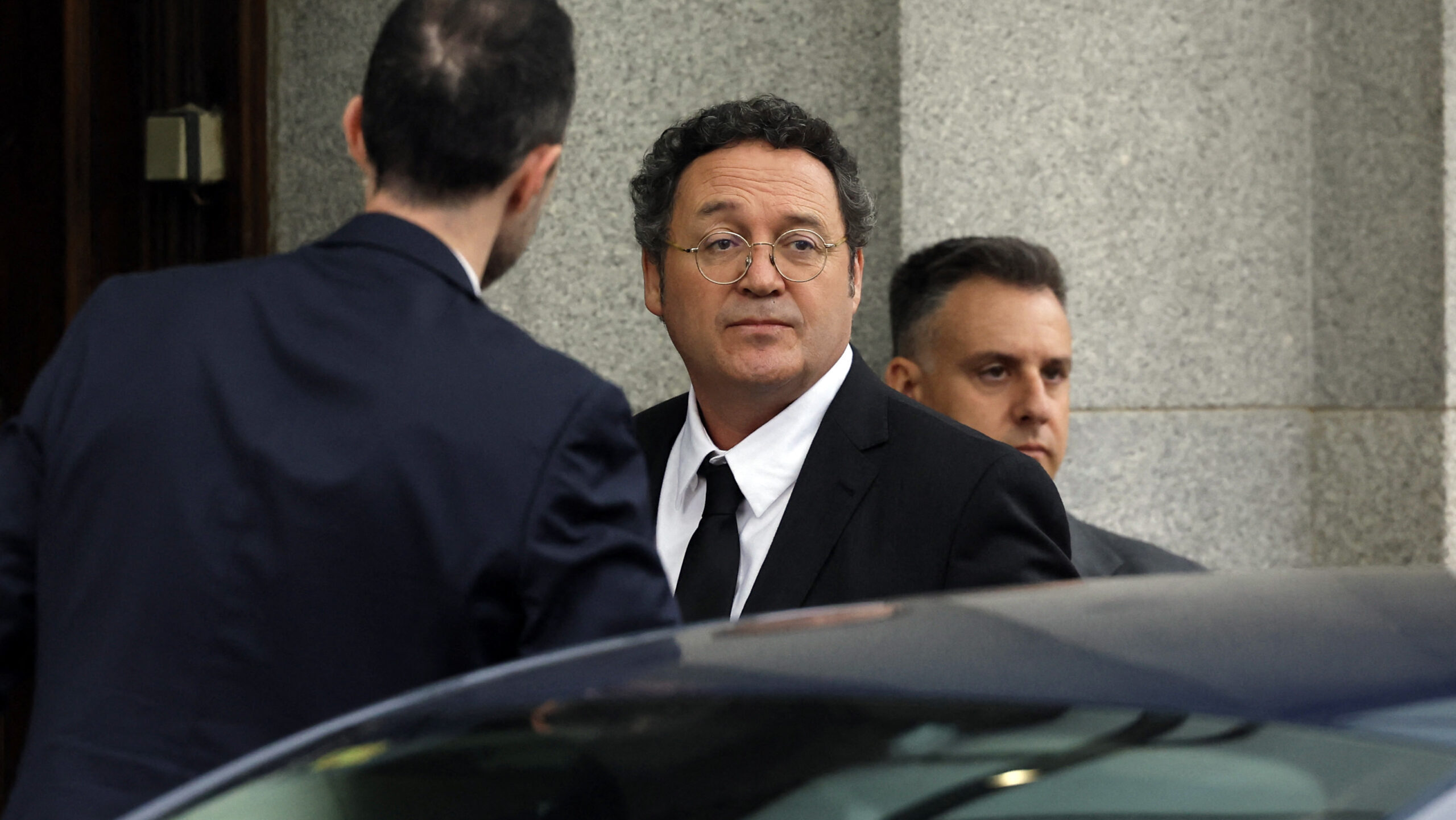
Álvaro García Ortiz
Oscar DEL POZO / AFP
Spain has been gripped this week by an extraordinary sight: its Attorney General, Álvaro García Ortiz, sitting in the dock of the Supreme Court, accused of leaking confidential information. After six days of hearings, the judges have retired to consider their verdict—one that could reshape the fraught relationship between Spain’s political class and its justice system.
The case turns on a leak that has shaken confidence in the country’s legal institutions. Investigators from the Civil Guard’s UCO unit told the court that every document later splashed across the press had first passed through the Attorney General’s Office. Their forensic work, backed by the testimony of lead investigator Lt. Col. Antonio Balas, points in one direction: material relating to the partner of Madrid regional president Isabel Díaz Ayuso was made public after landing on García Ortiz’s desk.
Seeing a sitting Attorney General answer criminal charges is something new in Spain—and politically explosive. For many, it confirms a growing suspicion that parts of the justice system have drifted too close to party politics. The accusations are not simply about one man’s conduct; they feed a wider sense that the system is being bent for the benefit of those in power.
That broader picture is impossible to ignore. García Ortiz, long seen as a close ally of former Attorney General Dolores Delgado—who was never far from controversy herself—has often been viewed as a dependable friend of the Socialist-led government. It did not help that he arrived in court defended by the very state lawyers and prosecutors he oversees. Both offices stood up for him, prompting widespread disbelief.
Critics say the arrangement speaks for itself. “It is difficult to believe that justice can be independent when the accused controls the very institutions meant to judge him,” noted one Spanish MEP in Brussels.
García Ortiz insists he did nothing wrong. He says he was simply defending the reputation of the Prosecutor’s Office from attacks by Ayuso’s camp. But his explanations—routine phone wipes, private email accounts, conveniently missing messages—have not reassured many. Forensic specialists told the court that important communications vanished just after the Supreme Court opened its inquiry.
The most damaging evidence came from the UCO’s step-by-step reconstruction of the leak. Investigators showed how a confidential email between Ayuso’s partner’s lawyer and a public prosecutor was accessed inside the system, then appeared almost word for word on Cadena SER at 11:25 p.m. on 13 March. Add to that a four-second call between García Ortiz and the journalist who broke the story, and it becomes hard to dismiss the investigators’ conclusions.
García Ortiz denies being the source, but the picture painted in court has been awkward to escape. As Lt. Col. Balas bluntly told the judges: “All information that was leaked had first been under the control of the Attorney General’s Office.” It was a simple statement—and one that cut through the room.
The affair has also revived an old argument in Brussels. The European Commission is usually quick to condemn rule-of-law issues in conservative-led countries such as Hungary or Poland. But when a scandal erupts in a Socialist-run country like Spain, the Commission suddenly falls silent. The contrast has not gone unnoticed.
The result is a double standard that harms the EU’s credibility. What began as a Spanish political crisis now looks like something wider—an uncomfortable reminder that justice inside the Union is not always applied equally. Whatever verdict Spain’s Supreme Court delivers, the aftershocks will be felt far beyond Madrid.