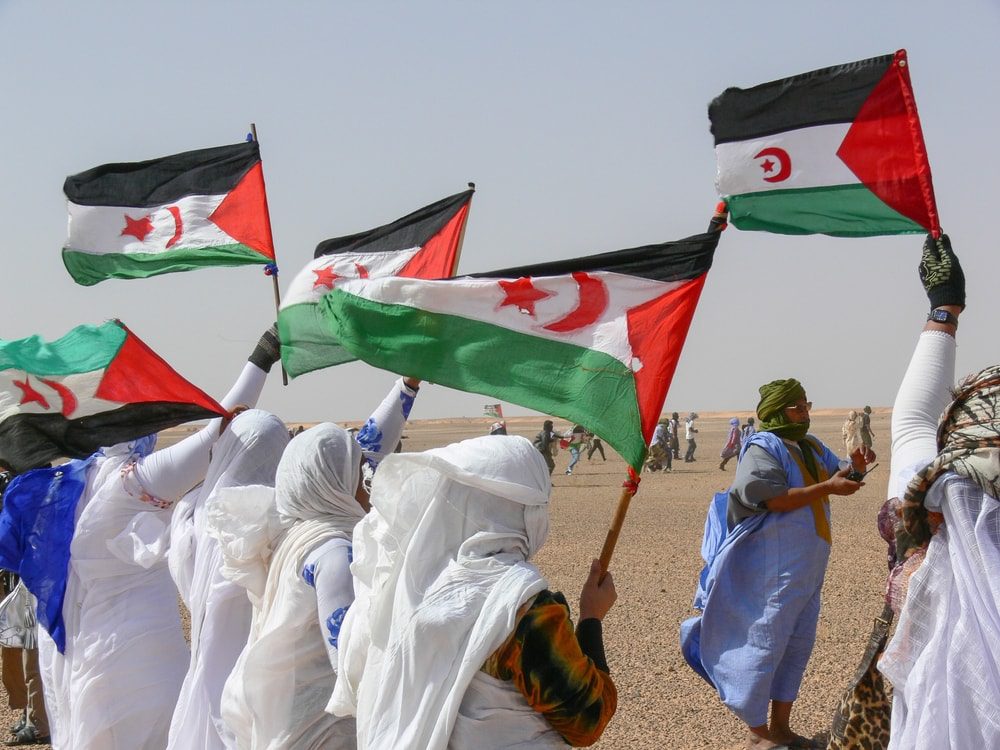
On the 18th of March, the Moroccan Ministry of Exterior announced its reception of a letter from the President of the Government of Spain, acknowledging Moroccan sovereignty over the Western Sahara. The communique describes Rabat’s plans for the region as “the most solid, realistic and credible basis on which to resolve the historic contention” over Spain’s former African colony, which it abandoned in 1976.
Spain’s government, for its part, has not published this letter. If indeed Spain has accepted Morocco’s plans for the region, then it has quite clearly contradicted the Western Sahara’s right to self-determination, a right to which the ruling party’s platform articulated its commitment during the last elections.
The socialists have a history of conceding to Rabat on this issue. In 2007 and 2008, President Zapatero acknowledged efforts made by Morocco to resolve the dispute, and generally displayed a willingness to go along with these efforts, albeit he did not go so far as to describe these as constituting the most “solid, realistic and credible” route to follow (at least not publicly).
Internally, there are now signs that the lack of transparency and general ambiguity is causing division among the governing PSOE’s ranks. Internationally, President Sanchez’ move constitutes an abdication of Spain’s responsibility as guarantor of its ex-colony’s right to self-determination.