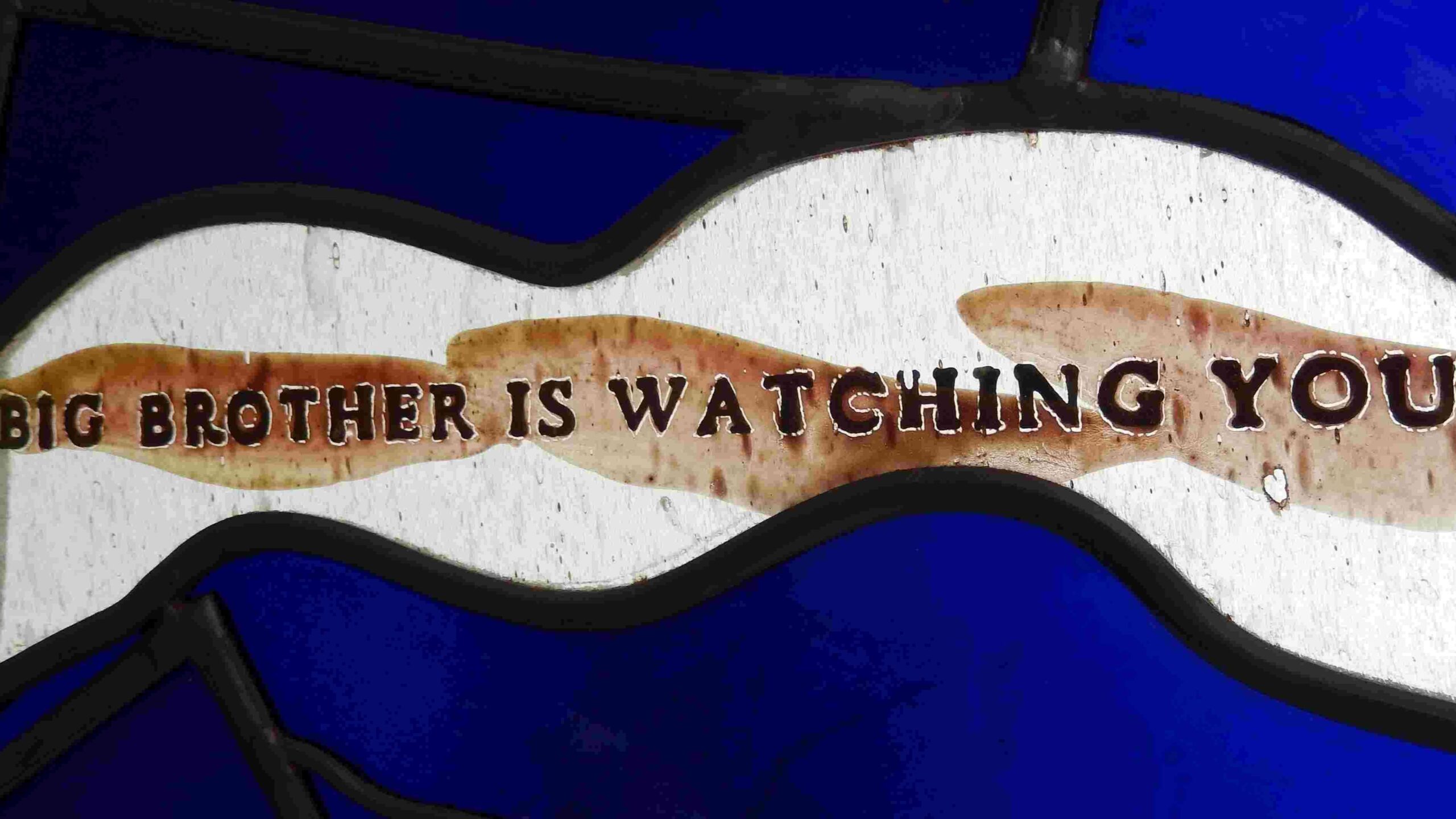
Artwork by Herman Blondeel (detail)
By Herman Blondeel – Ghent, CC BY-SA 4.0, https://commons.wikimedia.org/w/index.php?curid=153135514
The British government is preparing to introduce a digital identity system, with an official proposal expected as early as the Labour Party conference at the end of September. The plan envisions every citizen and every immigrant legally residing in the UK receiving a digital ID.
The digital identity could be used to verify work permits or tenancy eligibility, creating a single access point for government services. UK Technology Minister Liz Kendall endorsed the proposal, calling it a “real advantage” if people could use one ID across all services.
PM Keir Starmer himself has argued that digital identities could play an “important role” in combating illegal migration. Labour’s Yvette Cooper has echoed that line, announcing on June 3rd that she wanted a new digital identification process to help “work out who is in Britain legally.” Her proposal would require e-visa holders to submit to more stringent checks, while illegal migrants would be unable to provide equivalent documentation.
Critics immediately branded the scheme “Orwellian.” Civil rights campaigner Alan Miller warned: “The idea that we have a discriminatory two-tiered society where we have security guards asking people for some of the most sensitive information was just too much.”
By September 3rd, the government’s narrative had shifted further. Labour was again talking about illegal migration as a supposed justification for introducing identity cards for all. Yet, as observers pointed out, while mandatory digital IDs for law-abiding citizens were on the table, withdrawing from the European Convention of Human Rights, which could actually ease deportations, was not acceptable for Starmer. Many fear pointing to immigration control as the rationale behind the scheme is the smokescreen for introducing a system that would allow the government to keep a close eye on its population.
Civil liberties group Big Brother Watch responded with alarm, warning: “We are sleepwalking into a dystopian nightmare where the entire population will be forced through myriad digital checkpoints to go about our everyday lives.”
Shadow Home Secretary Chris Philp told the Daily Mail, ”They are reaching for ID cards in a blind panic because they have lost control of our borders.” Reform MP Lee Anderson, referring to Starmer as “the worst Prime Minister in the history of our country,” said “’Digital ID cards will achieve nothing apart from allowing the state to spy on decent British folk.”
Even within Labour, dissent is mounting. Some MPs have called the plans a “complete, dystopian disaster.” The memory of a failed attempt in 2005 to introduce mandatory digital ID cards lingers, raising questions about whether this effort will fare any better.