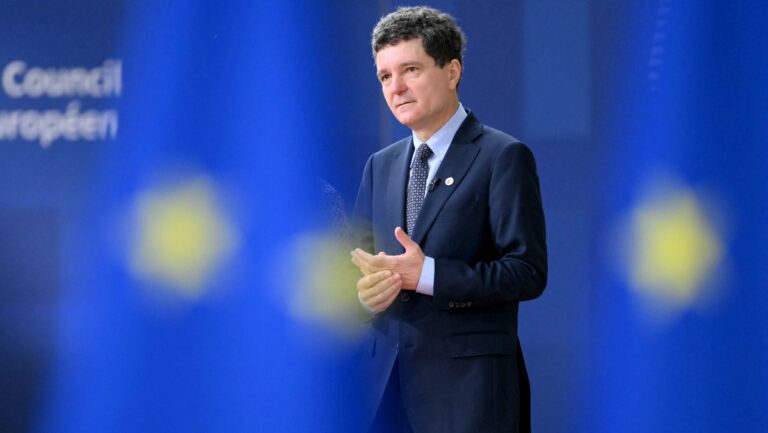
Britain’s Prime Minister Keir Starmer addresses a press conference during the NATO Summit in The Hague on June 25, 2025.
Ben Stansall / AFP
Just one year after his landslide election win, UK Prime Minister Keir Starmer has been forced into a humiliating U-turn on welfare reform—exposing not only the weakness of his leadership, but the rise of radical left-wing forces within his own party.
Faced with the threat of mass rebellion from Labour backbenchers, Starmer abruptly dropped the core of his disability benefit reform plan just 90 minutes before a key vote in Parliament. What was meant to be a £4.6 billion savings package has now been watered down so drastically that it may increase public spending by £100 million.
Despite his overwhelming majority in the House of Commons, Starmer was held hostage by his own MPs. Forty-nine Labour members defied the whip and voted against the Bill, while 19 abstained. The result was not just a policy retreat—it was a clear signal that Starmer is no longer in control of his government.
The real winners are Labour’s hard-Left bloc, who now smell blood in the water.
Having forced the Prime Minister to scrap a flagship reform, they are already demanding more: from wealth taxes to softer immigration rules. The latter could include dropping any proposed visa restrictions and the reversal of Starmer’s modest attempts to tighten legal migration.
Rebel MP Rachael Maskell, whose amendment triggered the collapse, is calling for a £24 billion tax on assets. Others want capital gains taxed like income. Starmer, elected on a platform of fiscal responsibility and economic competence, now faces the prospect of presiding over a tax-and-spend agenda dictated by the most radical wing of his party.
Chancellor Rachel Reeves, left with a gaping hole in the budget, is now under pressure to either break fiscal rules or hike taxes—despite Labour’s pre-election promises to the contrary.
For all his talk of “serious government,” Starmer has shown he cannot even deliver modest reform with a 165-seat majority. His political capital has evaporated in record time. And if the prime minister cannot stand up to a few dozen MPs now, how will he survive the escalating demands of a restless, ideologically driven Left?
Labour’s hard-Left MPs have already shown they are happy to push radical policies that were not in their party’s manifesto—and which therefore no one voted for—such as assisted suicide and decriminalisation of abortion up to birth.
With up to four years before the next election, British voters will be wondering what comes next.